Who are the Sherpa People of Nepal?
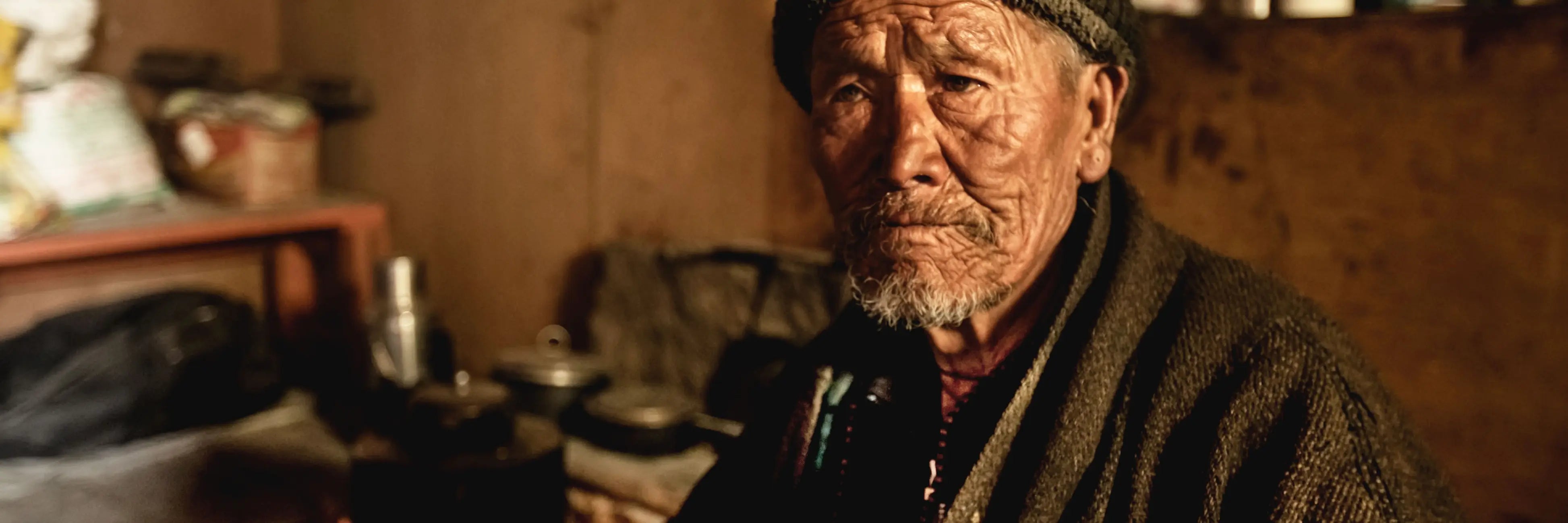
Sherpas are a Nepalese ethnic group renowned for their rich culture, superior climbing skills and extreme endurance for high altitudes. The Sherpas have lived in the country's high altitudes for generations and have long served as guides and porters, whose local expertise has been invaluable for tourists visiting the area.
Sherpa Adventure Gear has been created to allow you to enjoy the adventure of life without being held back by the elements, replicating the Sherpas’ admirable way of life. Although well known for their invaluable assistance, we want to delve into who the Sherpa people are, their culture and traditions to show how they are so much more than just incredible mountaineers.
A brief history of the Sherpa people. Sherpa translates to “people from the east”, which references their origins in Khams, Eastern Tibet. Although originally nomadic, in the 15th century, Sherpas began to migrate to Nepal, earning a living for many centuries as traders (salt, wool, and rice), herders (yaks and cows), and farmers (potatoes, barley, and buckwheat). Through word of mouth, it’s understood that four groups migrated from Kham in Tibet to Solu-Khumbu at different times, creating four separate Sherpa clans: Minyagpa, Thimmi, Sertawa and Chawa.
Where do Sherpas live?
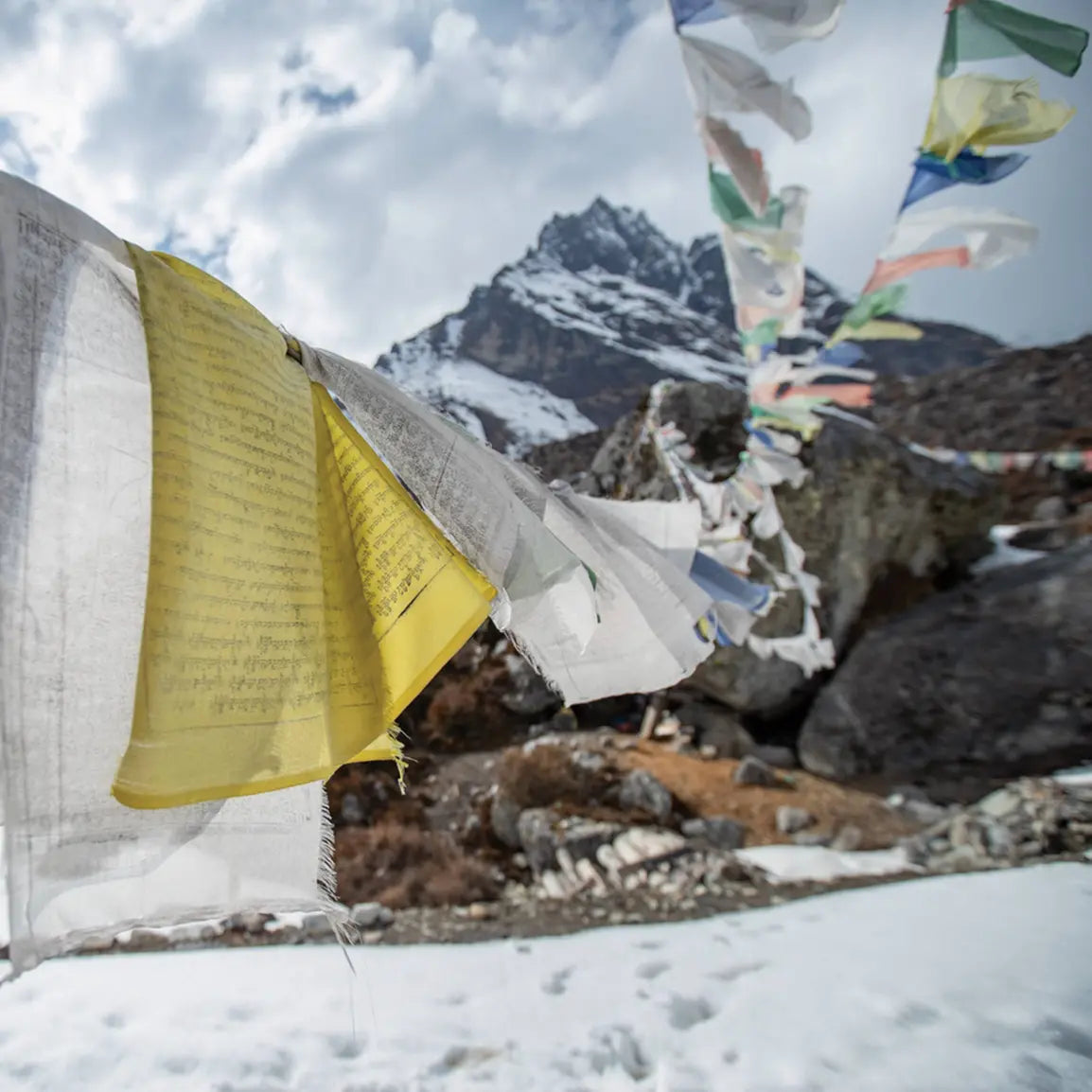
The Sherpas of Nepal live in the Solu-Khumbu district, in the surrounding area of the Himalayas. This region is connected by the Sun Kosi River and surrounded by panorama views of mountains, with the Khuma region itself at an elevation of 14,000 feet. Although it holds a spectacular landscape, the weather conditions in this region bring about more challenges, with periods of monsoons during the summer and extremely cold winters. Weather conditions that the Sherpa people brave every year.
What religion do Nepal Sherpas follow?
The Sherpas are traditionally Tibetan Buddhists of the Nyingmapa sect and have drawn much of their religious tradition from the Rongphu monastery, located at 16,000 feet on the north side of Mount Everest. They are also associated with the Red Hat sect, a religion named after the color of the monks' hats at formal occasions. These monks, or Lamas, are situated in each Sherpa village and lead a life of isolation in search of religious enlightenment. The Shamans and Soothsayers are other spiritual leaders in the Sherpa community who deal with the supernatural and spiritual world.
What religion do Nepalese Sherpas Follow?
The Sherpas are traditionally Tibetan Buddhists of the Nyingmapa sect, and have drawn much of their religious tradition from the Rongphu monastery, located at 16,000 feet on the north side of Mount Everest. They are also associated with the Red Hat sect, a religion named after the color of the monks' hats at formal occasions. This includes the three oldest of the four main schools of Tibetan Buddhism.
What are the culture and traditions of the Sherpa People?
The Sherpa people have strong cultural beliefs and a rich heritage that centers around the belief that small, micro-cosmic changes will benefit the world when carried out with consideration for others and the natural world.
There are festivals to celebrate Sherpa culture, such as Losar, Dumje and Mani Rimdu. Each of these festivals is celebrated over several days and commemorates their religious beliefs and prosperity for one another. This is naturally reflected in their willingness to aid tourists in their mountaineering expeditions and their close-knit patrilineage.
Sherpa Clothing
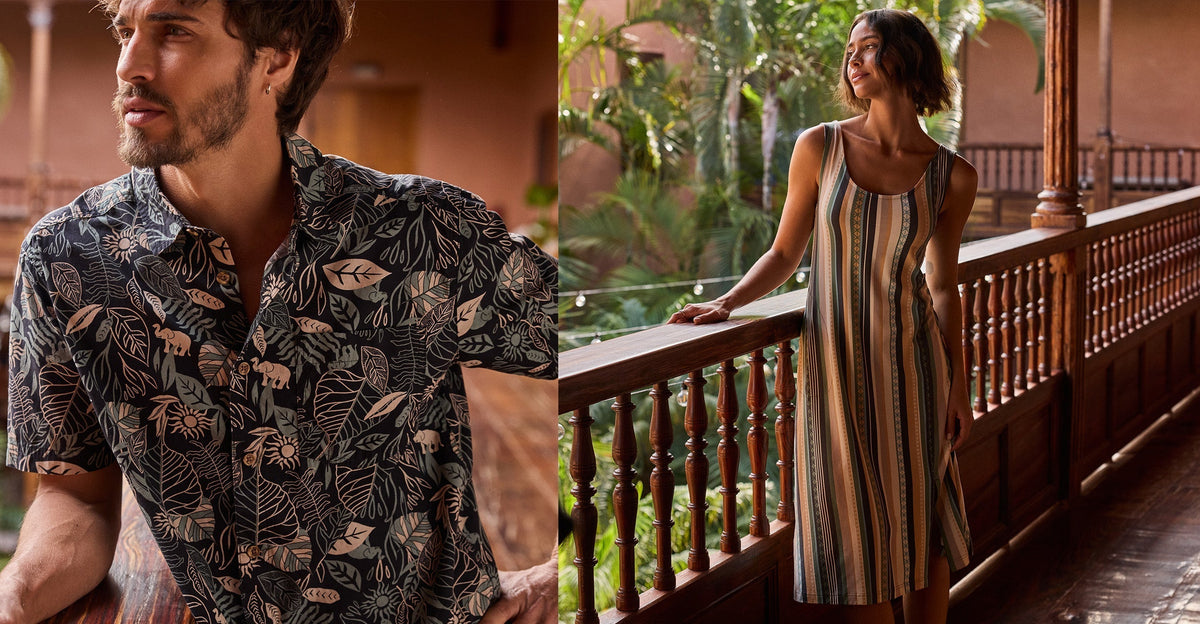
The Sherpa people have a dress code that mirrors that worn by Tibetans. They wear long garments made from wool covered by a thick, wraparound robe known as a Bakhu, or Kitycow, a Chhuba to help them carry essentials, and an outer jacket called a Tetung. The women will traditionally wear dresses made of thick wool called Tongkok, as well as a colorful striped apron called a Matil, but only married women can wear a front apron called a Pangden.
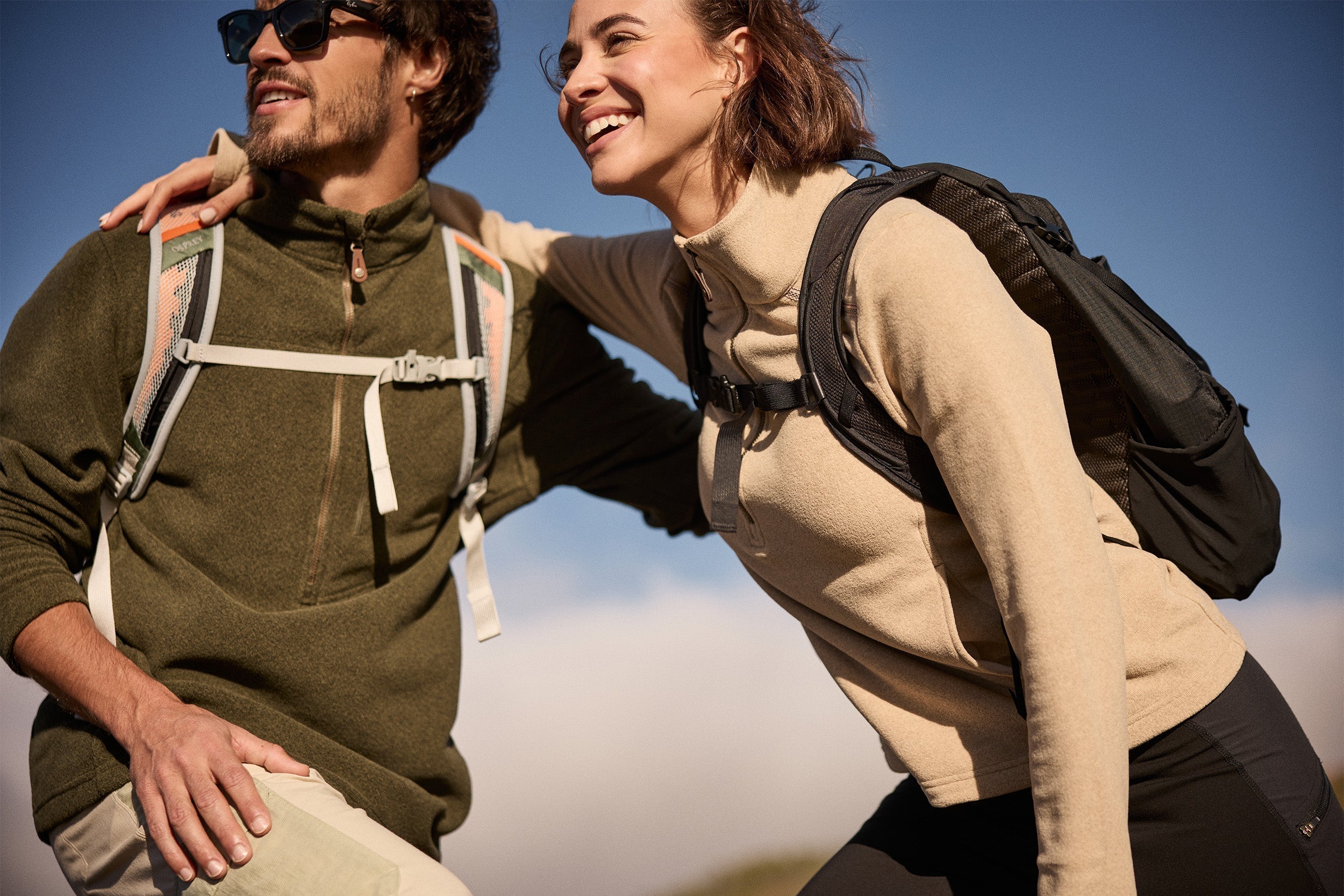
This clothing is replicated in adventure gear you see in the Western world, with materials such as merino wool giving people insulated clothing that is practical for any adventure.
What is most noticeable with Sherpa people are the bright colors and patterns that accompany traditional Sherpa clothing. You can find out what these patterns mean in our guide on Sherpa patterns and why they are important.
Mountaineering
Although the Sherpa community is an ethnic group indigenous to the Himalayan region, the term has become mainly associated with those that assist tourists keen to climb Everest. Mostly young men, Sherpa guides are not just the muscle behind any expedition - carrying extra gear such as oxygen bottles, water, and food - they are also expert navigators. Enduring freezing temperatures of -30°C down to -50°C, they help climbers negotiate icefalls, avalanches, and extreme altitudes. It is due to their evolution that they are able to endure the traitorous and difficult climbs frequently. Due to the altitude that they live in, oxygen is scarce, but the Sherpa people have been able to endure these conditions for centuries. Sherpas have lower levels of fat oxidation and are able to pass oxygen through their body through fewer red blood cells, but with higher levels of nitric oxide, passing oxygen to the muscles more efficiently. A study by the University of Cambridge proved this when examining the DNA of Sherpas.
Patrilineage, Clans and Surnames
Today’s Sherpas are thought to descend from a small number of ancestors who settled in Nepal several centuries ago. Traditional Sherpa society is still divided into clans, called Ru, which are passed down through the male bloodline. Ru, therefore roughly corresponds to the surnames of Western societies. Males of the same Ru are expected to share identical Y-chromosome haplotypes (a group of genes inherited from one parent), which a study into Sherpa clan structure discovered.
Who are the most famous Sherpas?
The Sherpa community is made up of extremely selfless and humble individuals that aren’t the type of people to seek fame or recognition for their accomplishments. However, a majority of their achievements are mean feats that aren’t always able to go unnoticed.
Tenzing Norgay
Tenzing Norgay GM OSN, born Namgyal Wangdi, and also referred to as Sherpa Tenzing, was a Nepali-Indian Sherpa mountaineer. He was one of the first two individuals known to reach the summit of Mount Everest, which he accomplished with Edmund Hillary on 29 May 1953.
Lakpa Sherpa
Lapka was the first Nepalese woman to climb and descend Everest in 2000 and has since climbed the mountain more times than any other woman. At 49 years old, she conquered the mountain for a tenth time.
Babu Chiri
Babu is recognized for his two world records relating to Mount Everest. He managed to stay on the summit for 21 hours without auxiliary oxygen and also completed the mountain’s fastest ascent in 16 hours 56 minutes. Babu climbed Everest ten times but sadly died during his 11th attempt.
Pem Dorjee Sherpa & Moni Mulepati
Pem Dorjee is a Sherpa mountaineer and has climbed Mount Everest twice. The second expedition was with his girlfriend Moni Mulepati, where they exchanged wedding vows on May 30th 2005, becoming the first couple to be married on top of the mountain.
How is Sherpa Adventure Gear linked to the Sherpa People?
Sherpa Adventure Gear was originally created by Tashi Sherpa, a Nepalese local who wanted to give something back to the people of his country.
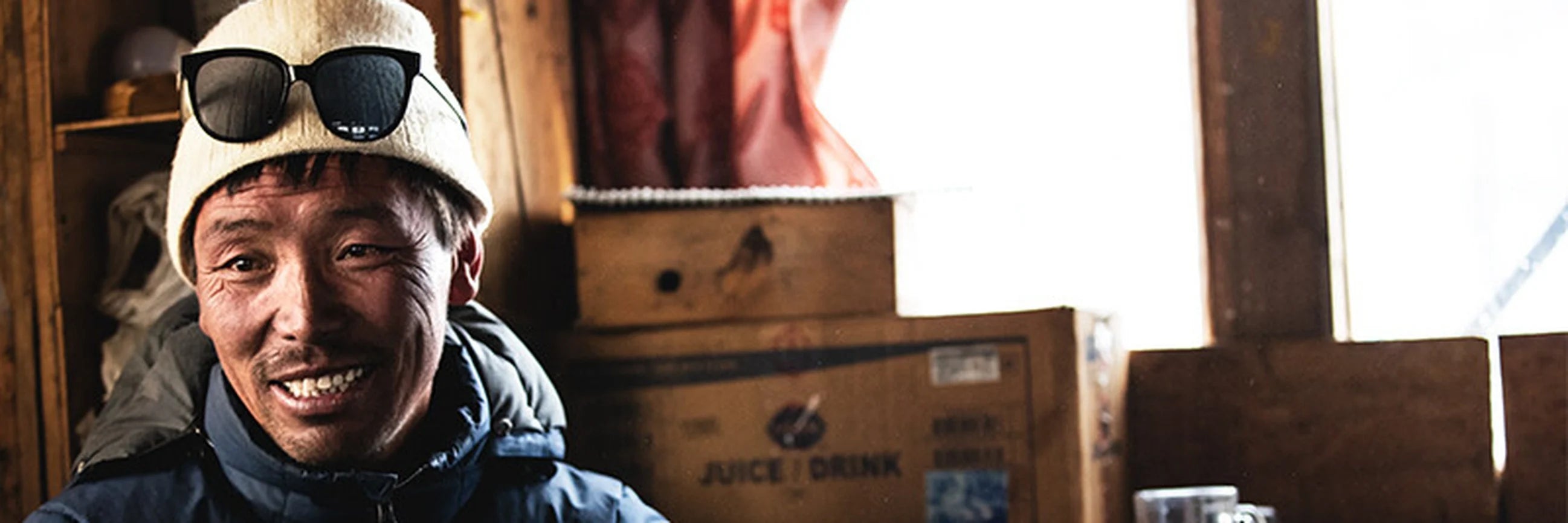
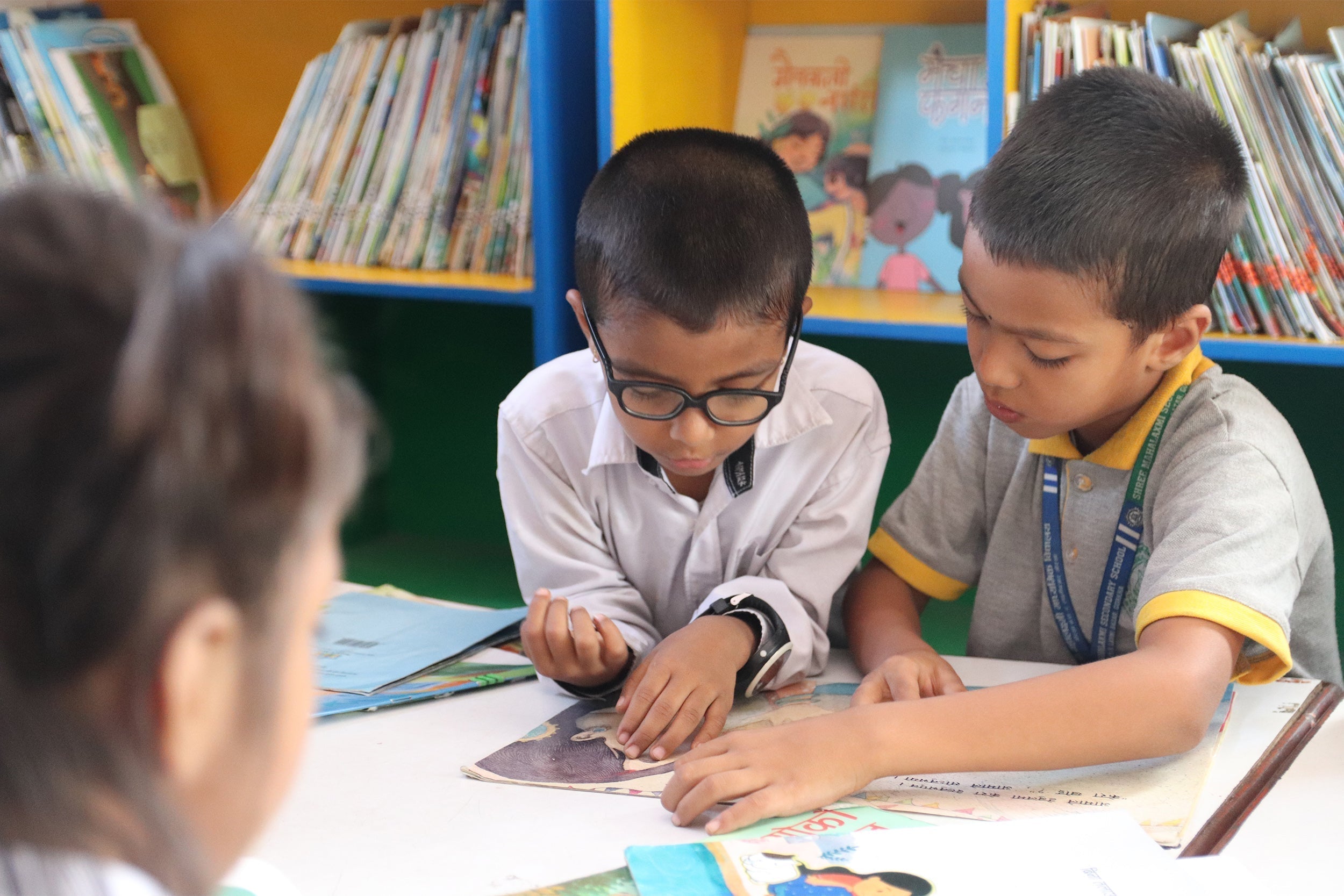
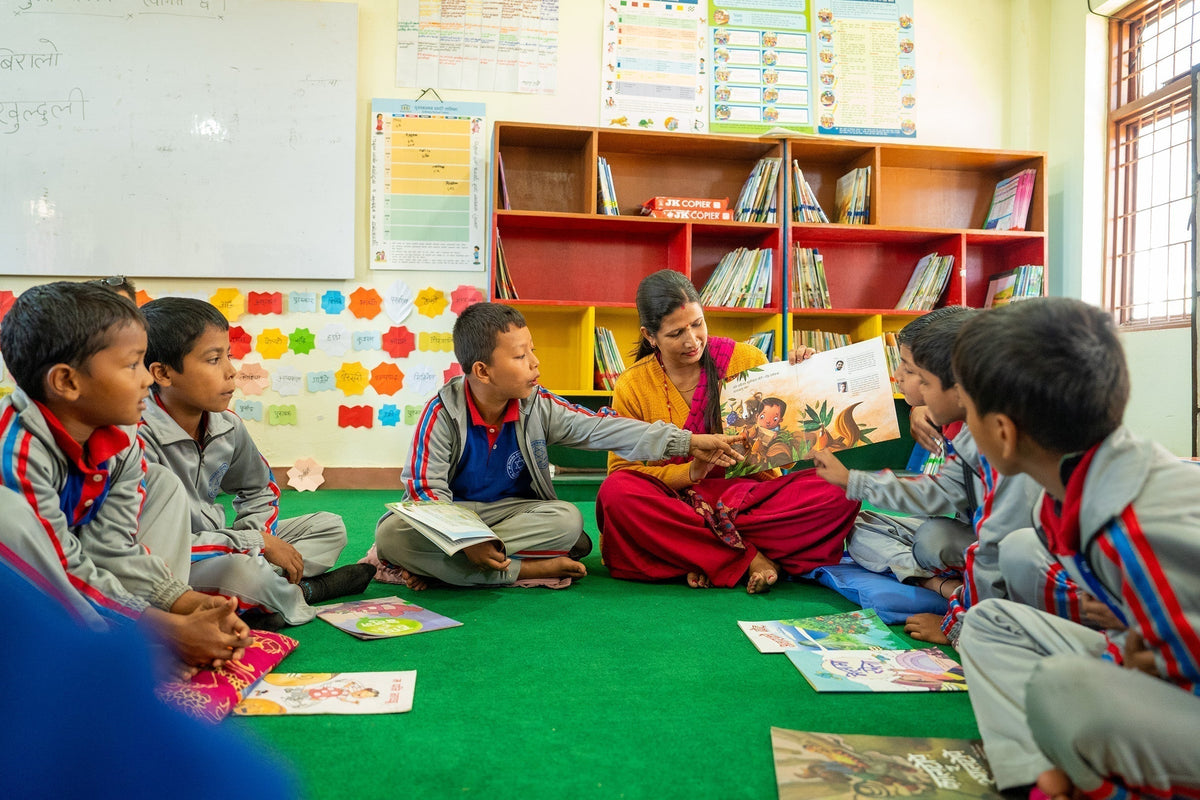
Our clothing has been developed with explorers in mind, making our clothing from a range of materials for a range of outdoor adventures, while every purchase helps fund education in Nepal through Room to Read. You can find out more about our mission here.
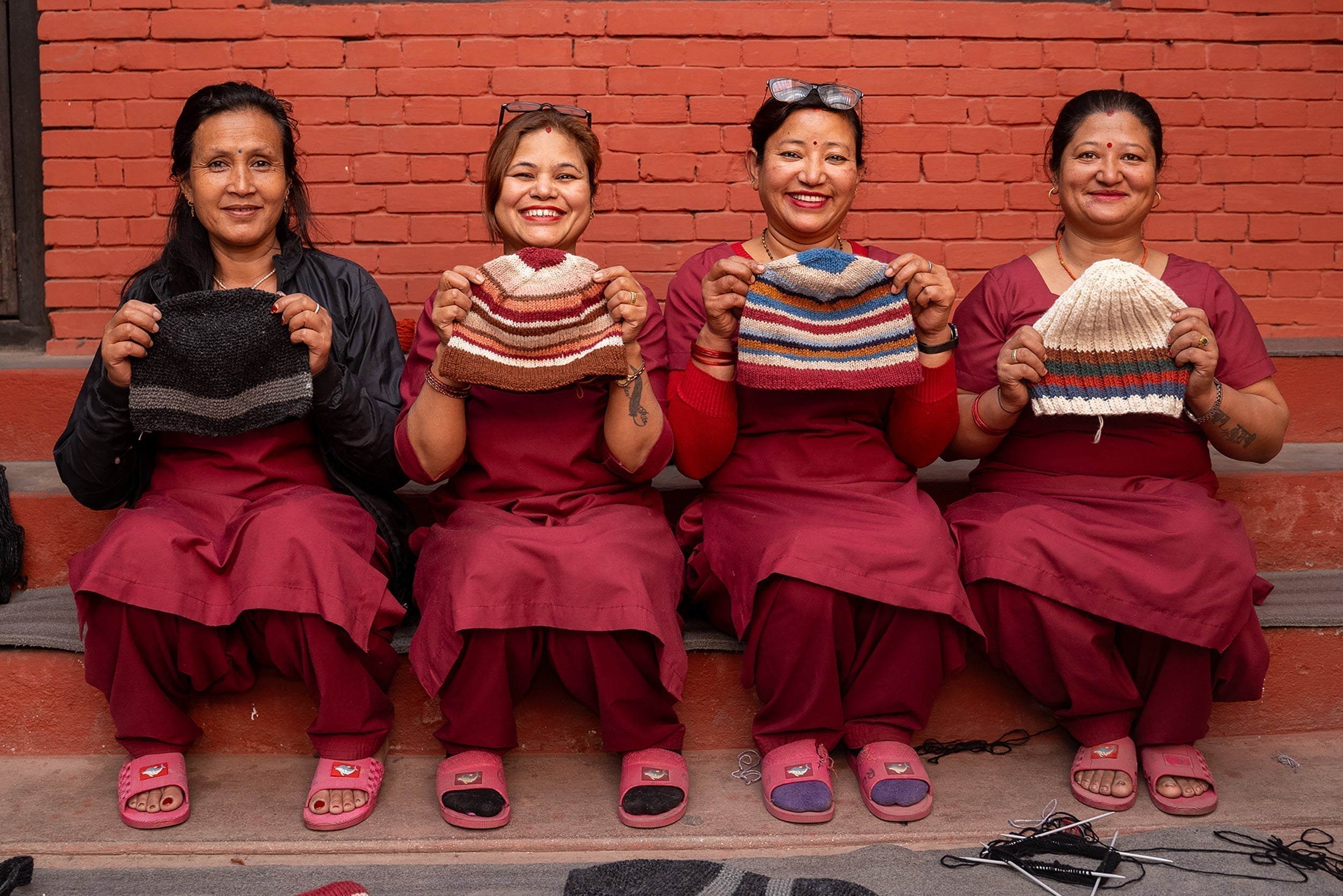
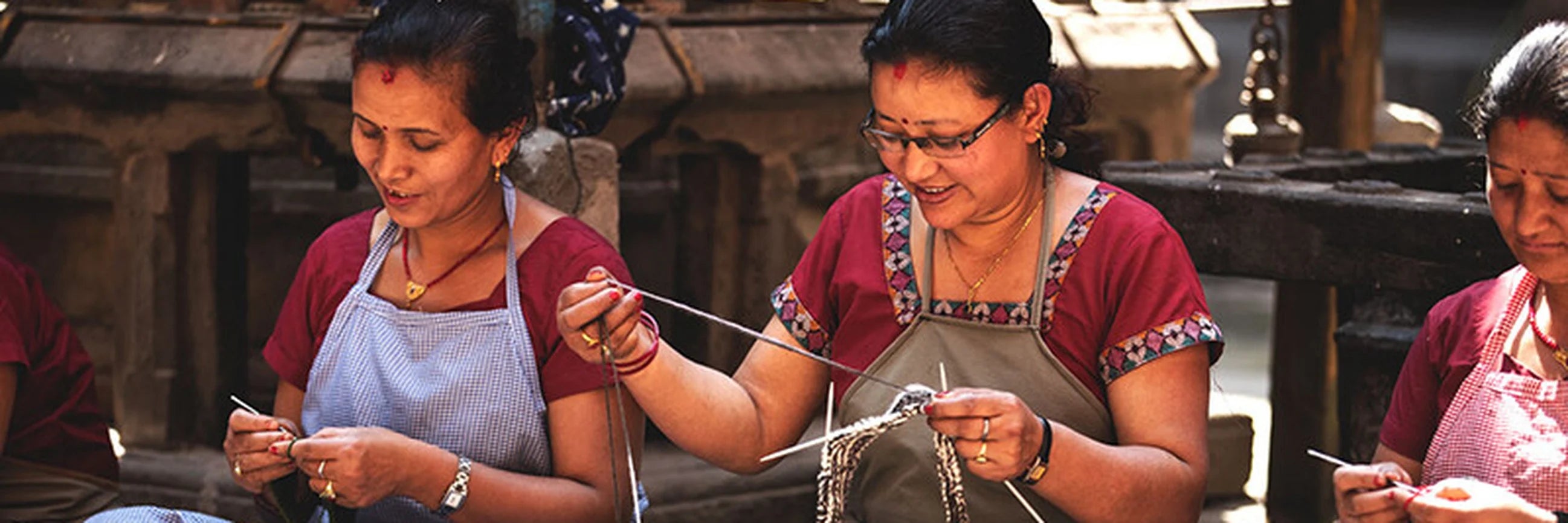
Many of the children also have family members who are employed by Sherpa. For example some of our hats are handcrafted in small women's co-ops in the ancient city of Bhaktapur right outside Kathmandu.

Words By
Sherpa Adventure Gear
Published
26 September 2024
Base Camp