
The Tandem Trash Tour
Earth Day is a great opportunity to highlight the importance of protecting our environment, promoting sustainability and addressing challenges like climate change, pollution and deforestation.
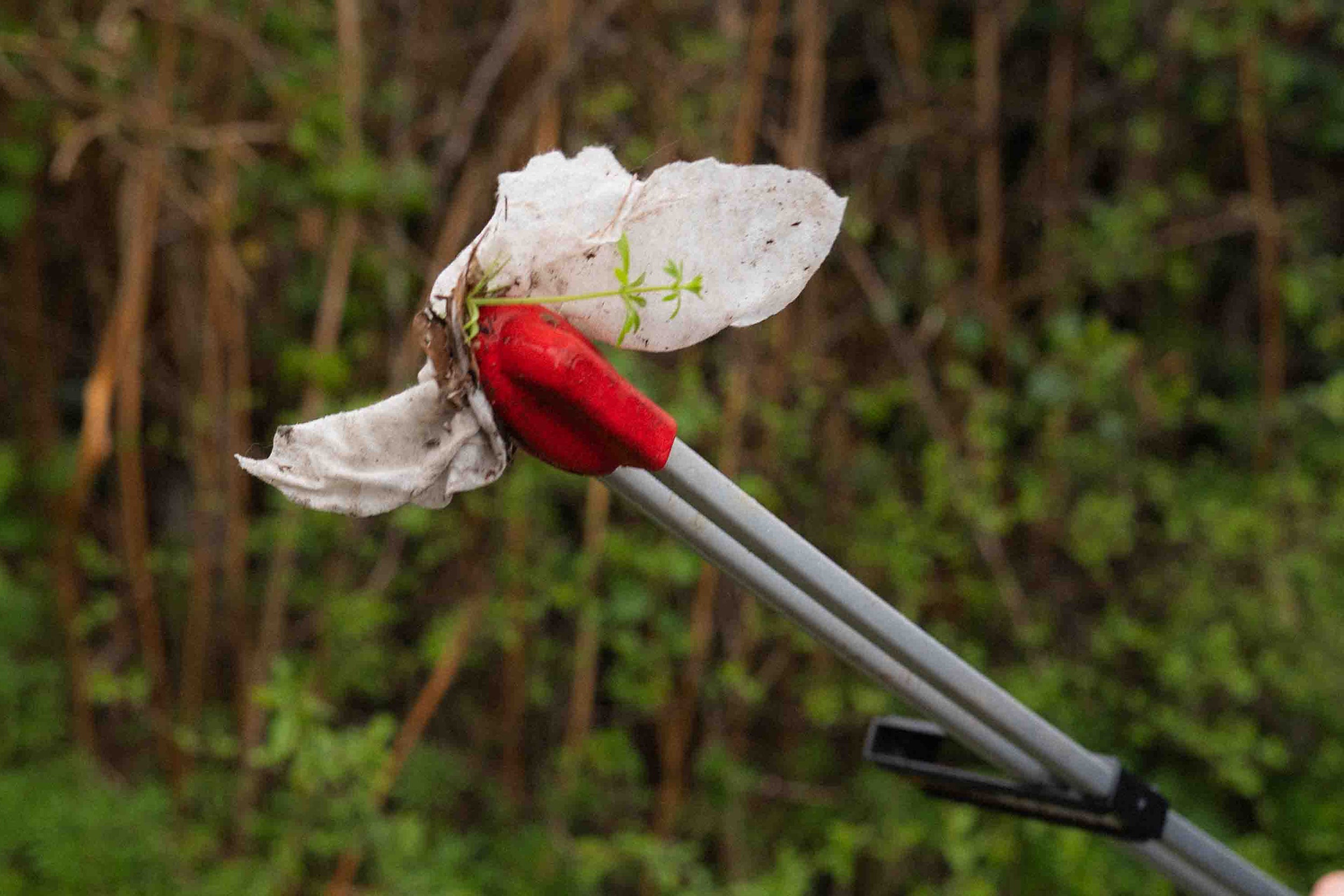
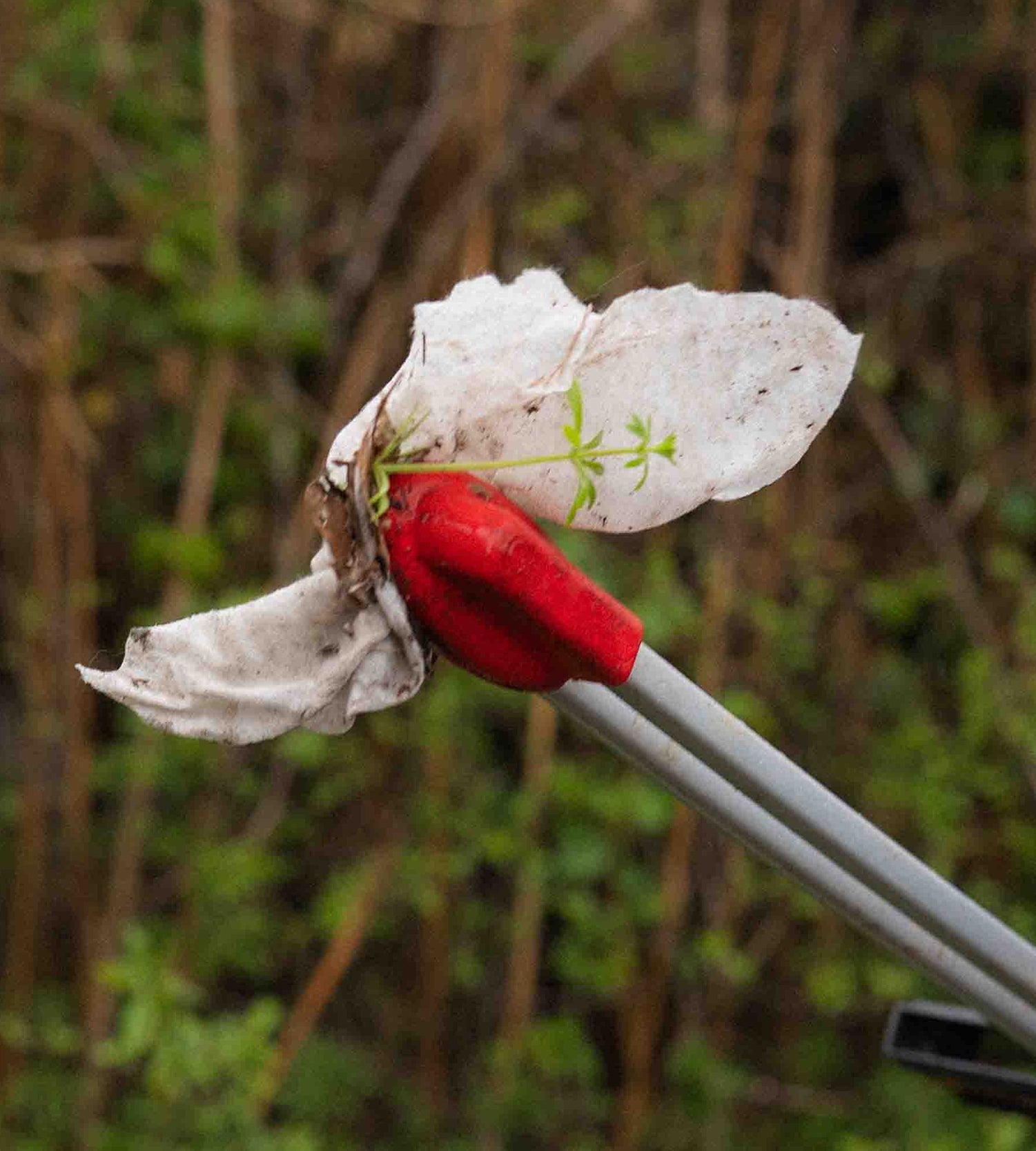
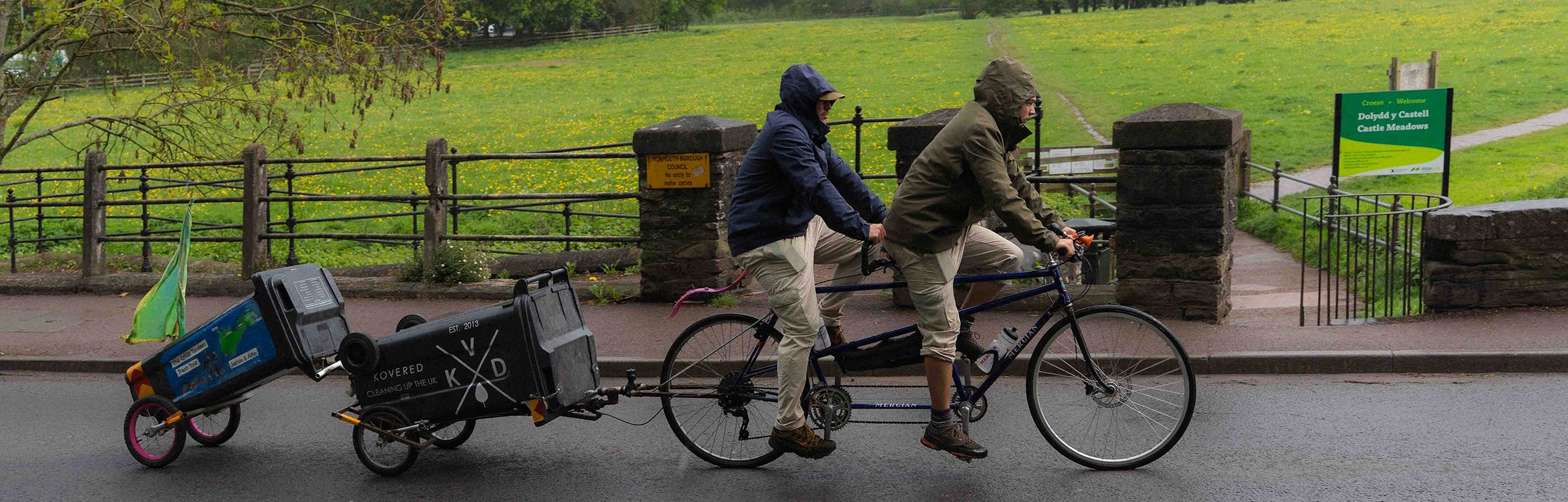
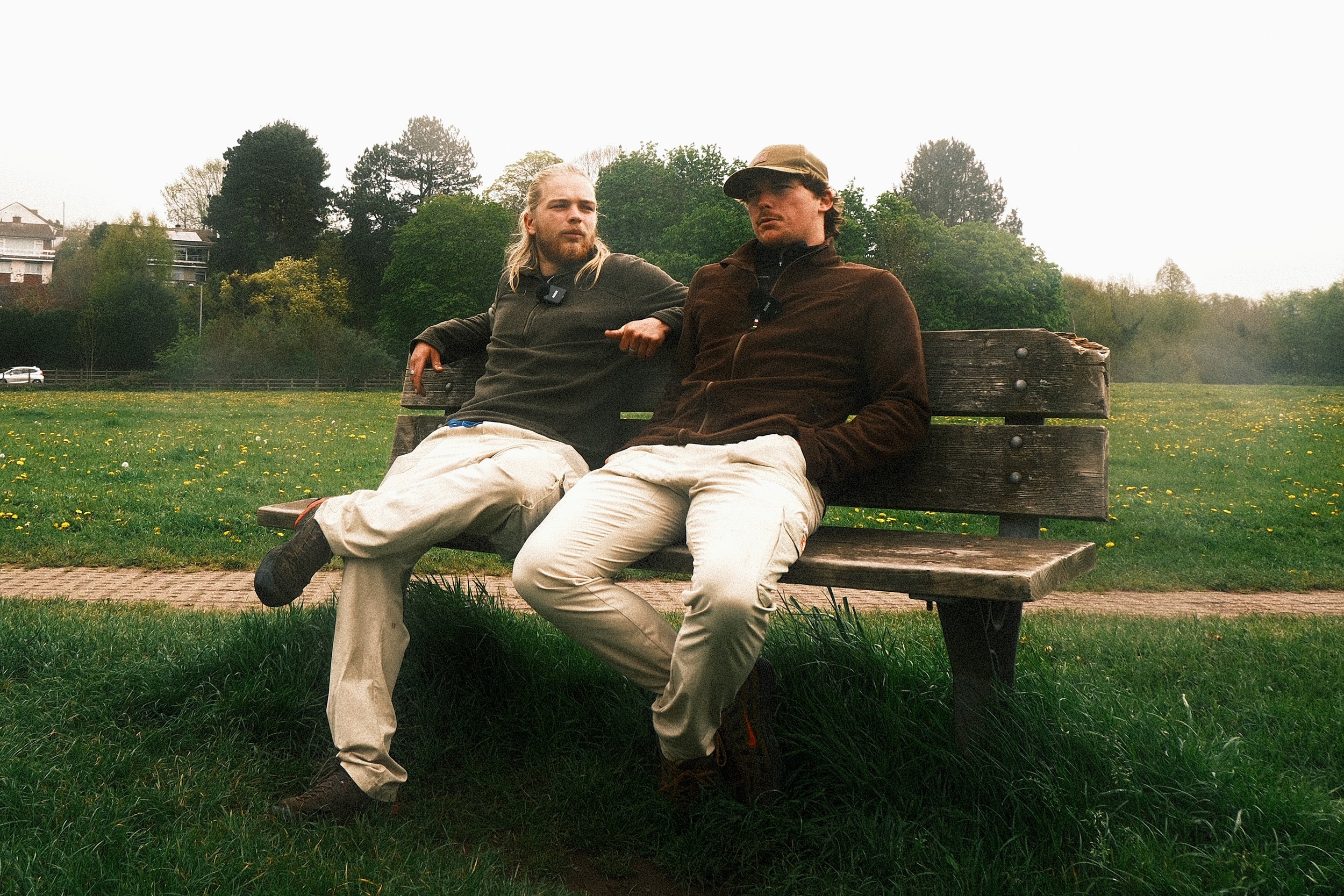
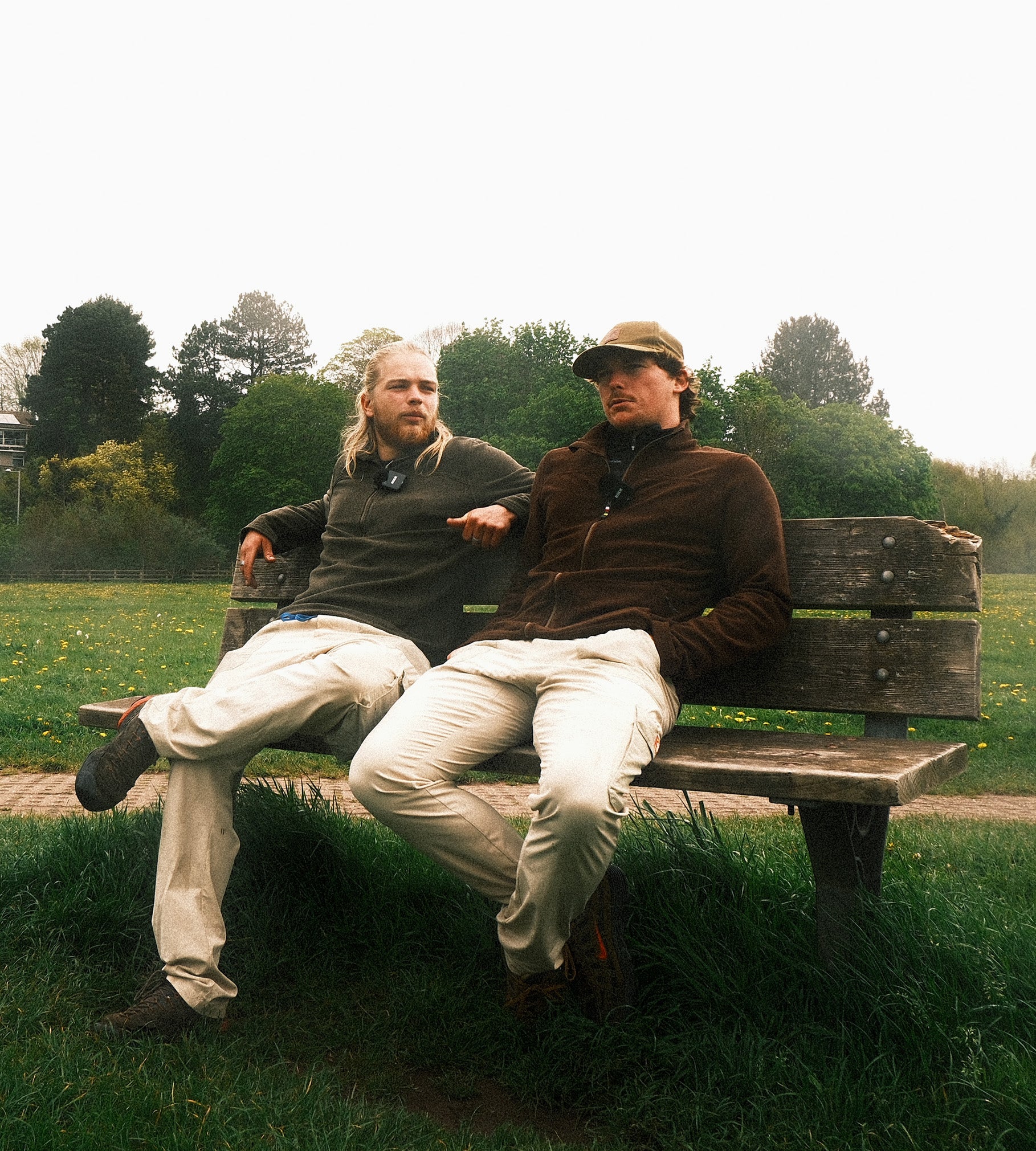
We have partnered with Jamie and Alfie who are taking on an incredible journey from the most southern point of the UK to the north, collecting litter along the way.
Raising awareness through action
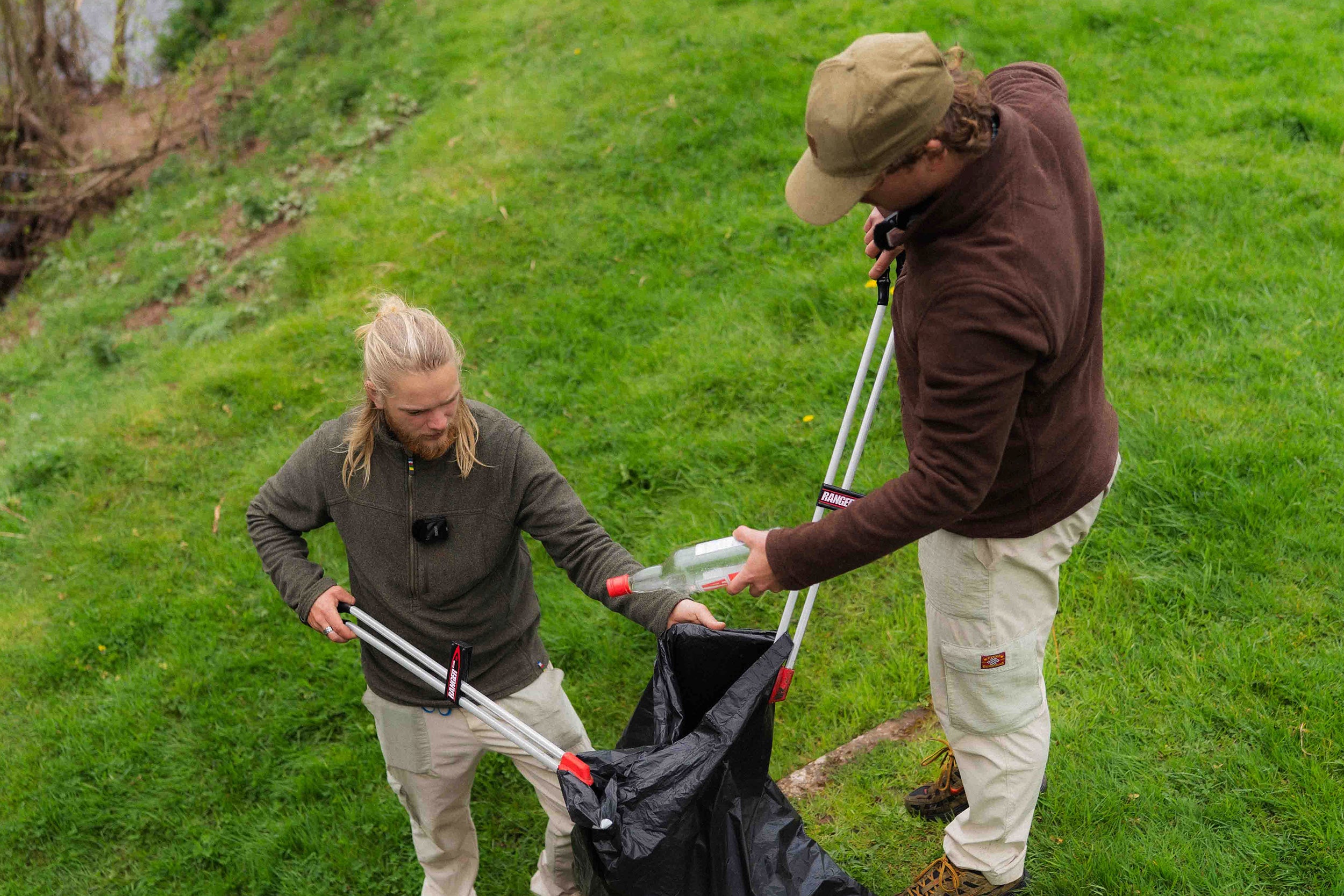
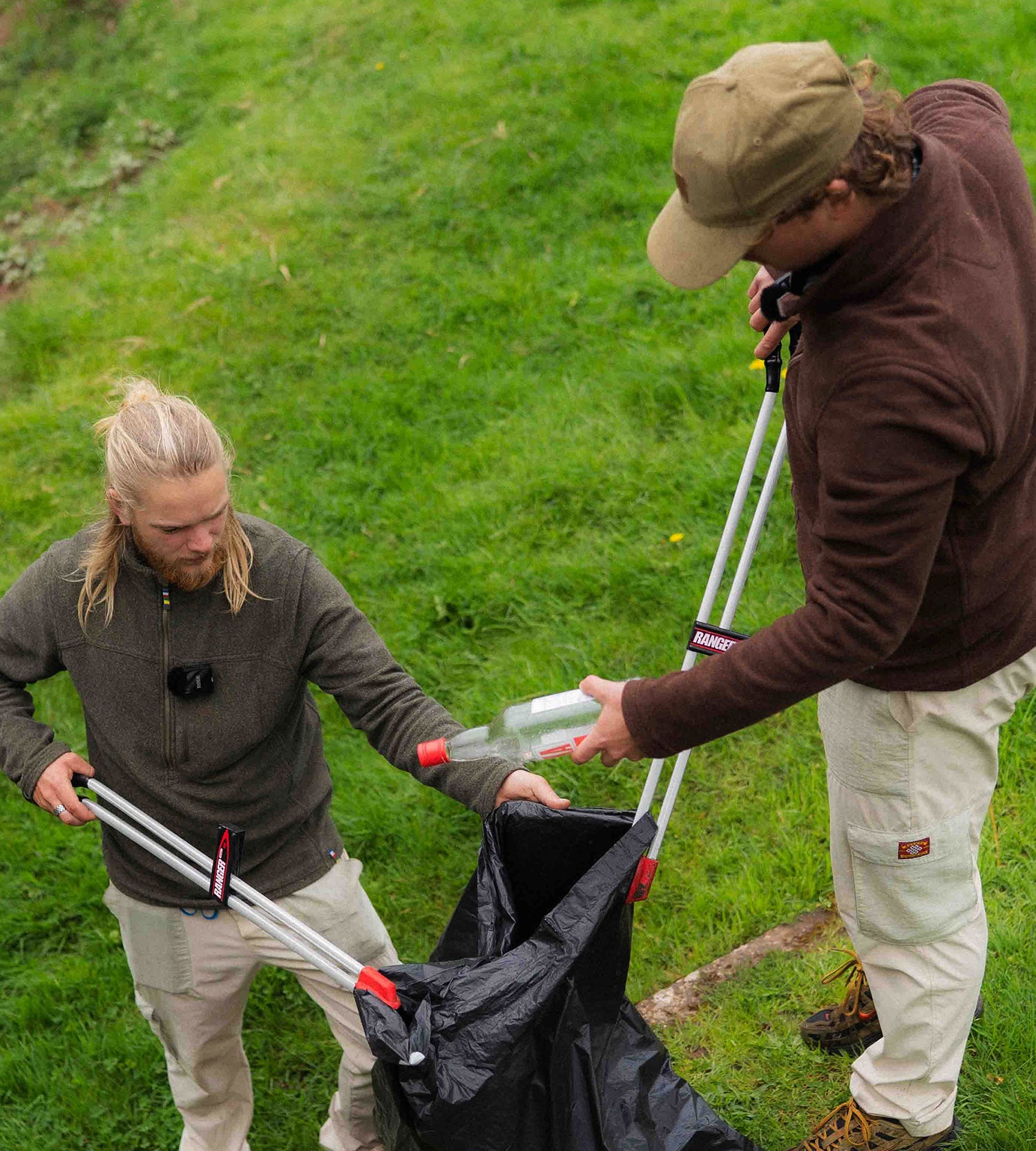
Following an extraordinary 18-month, 25,000km journey cycling from England to Australia, alongside becoming the first person to cycle to Annapurna Base Camp, Jamie has now teamed up with his friend Alfie where they will cycle from Land’s End to John O’Groats on a tandem bicycle, towing two wheelie bins to collect litter along the way to raise awareness of environmental responsibility.
As part of their journey, they will take on the UK’s Three Peaks - Snowdon, Scafell Pike and Ben Nevis, carrying the wheelie bins with them as they collect litter throughout each ascent and descent.
Litter remains a significant global issue. Cigarette butts are the most commonly discarded item, with an estimated five trillion thrown away each year. Around 3.2 million metric tons of plastic debris is believed to be floating on the ocean’s surface, while in the UK alone, more than two million items are littered every day.
Addressing this challenge starts with individual action, and following the Leave No Trace principles is one simple but impactful way everyone can help reduce their environmental footprint.
What does Leave No Trace mean?
Leave No Trace is a practical framework designed to help minimise our impact on the outdoors, wherever we are. It is built around seven simple principles, each offering guidance on how to explore responsibly and protect the environment for others.
The 7 principles of Leave No Trace:
Principle 1
Plan ahead and prepare by understanding regulations, packing thoughtfully, and reducing waste before you set out.
Principle 2
Travel and camp on durable surfaces such as established paths, rock, or gravel to avoid damaging vegetation and causing erosion.
Principle 3
Dispose of waste properly by taking all litter with you and handling human and washing waste properly to protect natural water sources.
Principle 4
Leave what you find by respecting natural and cultural features and avoiding removing or altering anything.
Principle 5
Minimise campfire impacts by using alternatives where possible or keeping fires small and controlled in permitted areas and disposing of ashes correctly.
Principle 6
Respect wildlife by observing from a distance and never feeding animals, allowing them to maintain natural behaviours.
Principle 7
Be considerate of others by keeping noise low, respecting shared spaces, and helping everyone enjoy the outdoors.
By following these principles, small, mindful actions can make a lasting difference in protecting the natural world.