





The Ultimate Fleece Guide
Whether you're setting out for a brisk morning walk, layering up for a winter hike, or simply seeking sustainable comfort for everyday wear, recycled polyester fleece offers warmth, breathability, and eco-conscious performance you can rely on.
With layering at the core of staying comfortable in unpredictable conditions, fleece continues to be a winter essential. Here's everything you need to know about our men's and women's fleece - from how it works to how to wear it well.
What is a Fleece?
Typically made from synthetic fibres like polyester, fleece is a soft, warm and lightweight fabric commonly used for layers in cold-weather clothing.
At Sherpa, we use recycled polyester in our fleeces which is made from post-consumer plastic through an innovative process of cleaning, melting and spinning plastic into new fibres, making it a sustainable and high-performance option for outdoor and everyday wear.

What is sherpa fleece?
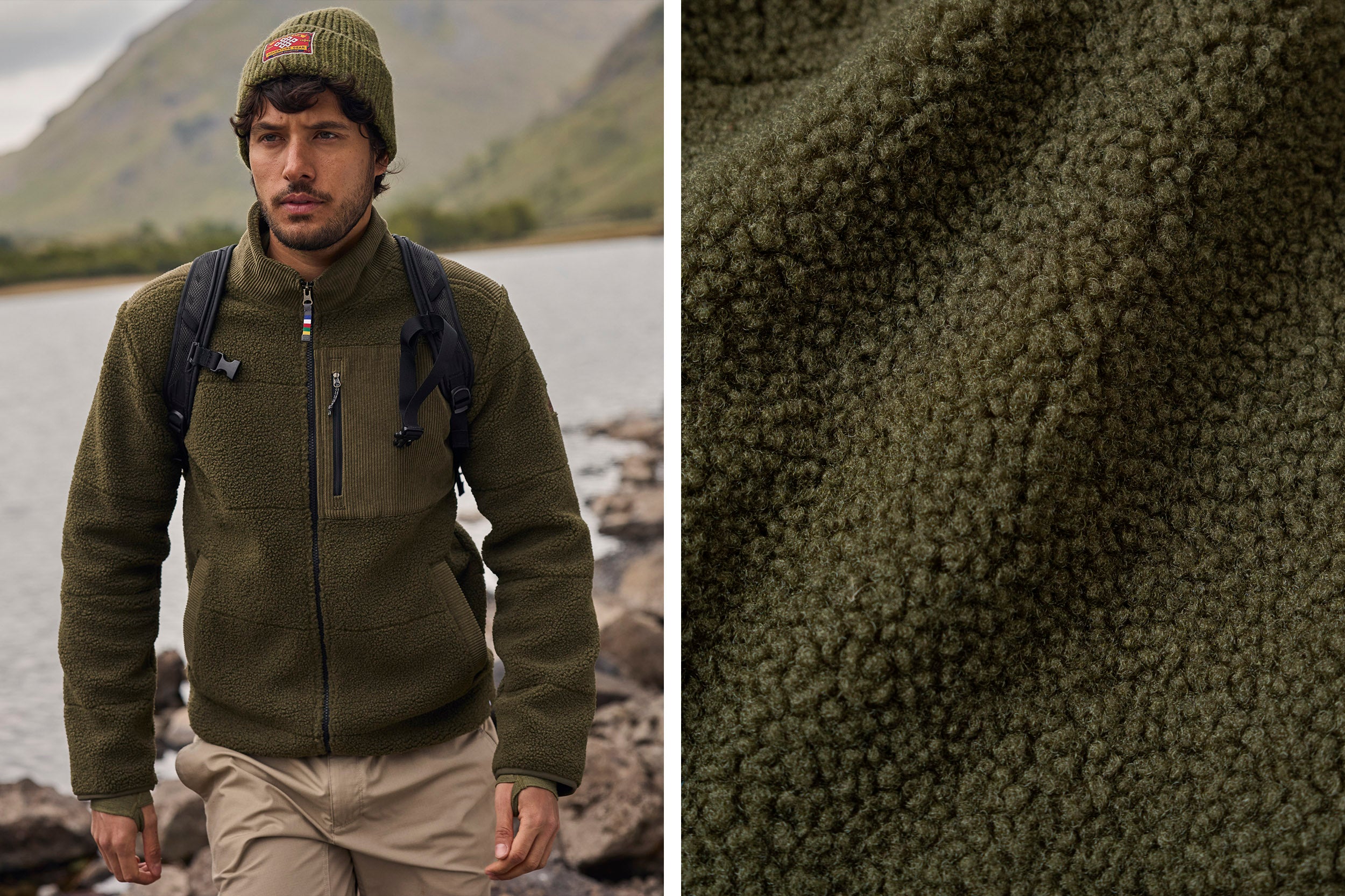
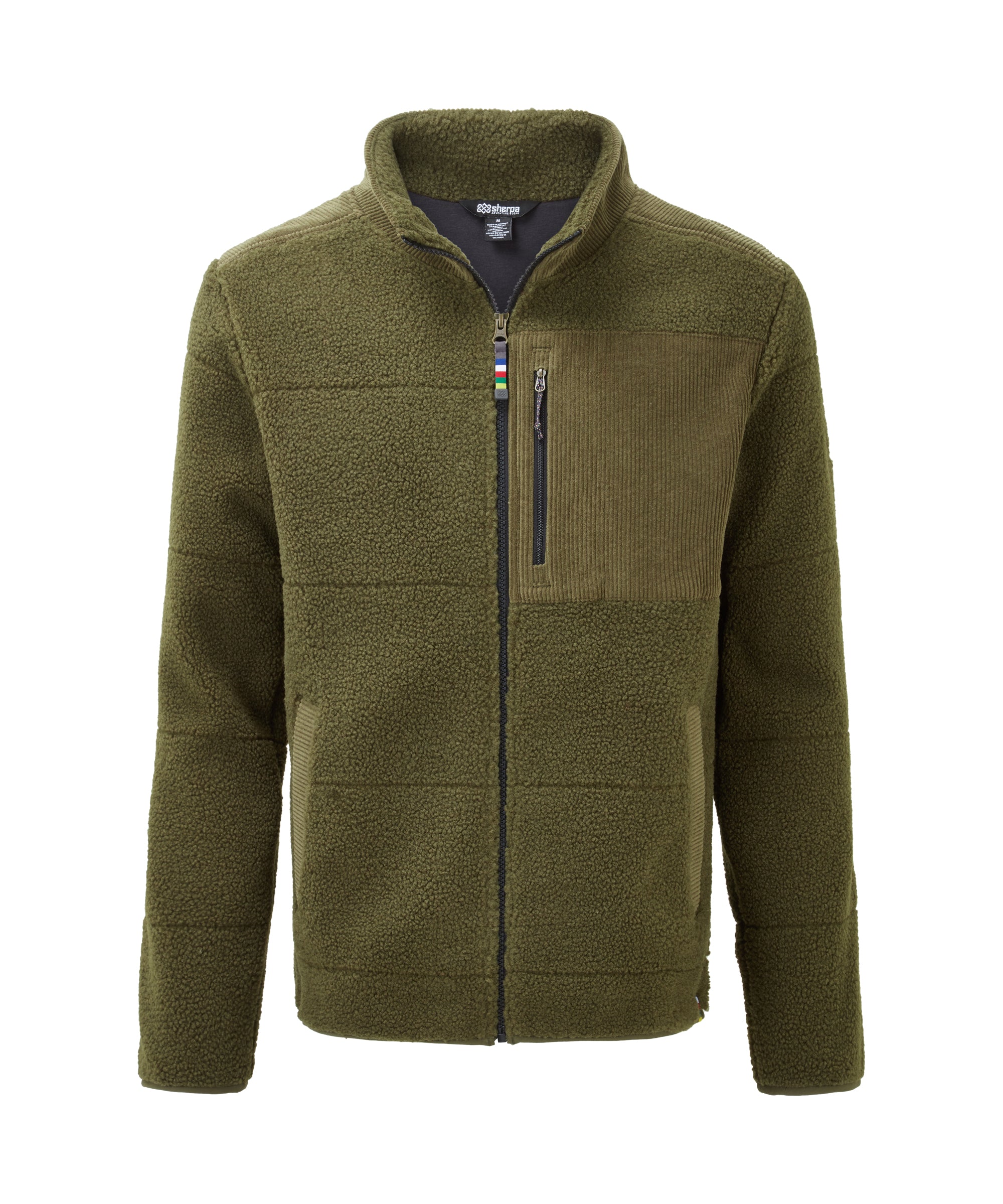
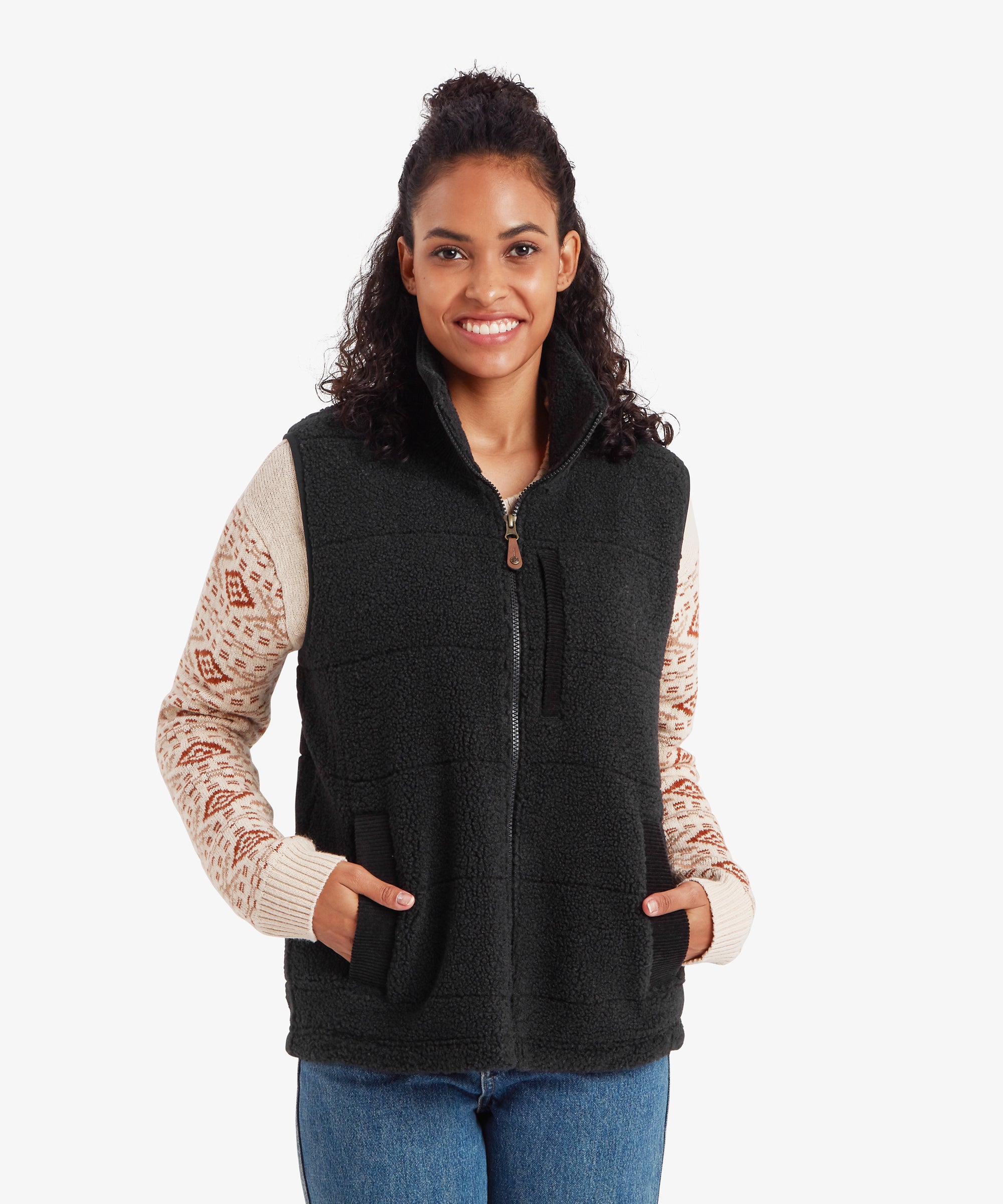
Sherpa fleece is a type of fleece fabric known for its soft, wool-like texture and excellent warmth-to-weight ratio. With a fluffy, high-pile surface that feels plush and cosy, it’s designed to replicate the insulating qualities of sheep's wool while remaining lightweight and easy to care for. Ideal for linings, jackets and everyday comfort, Sherpa fleece offers that extra touch of warmth and softness perfect for winter layering.
How does fleece keep you warm
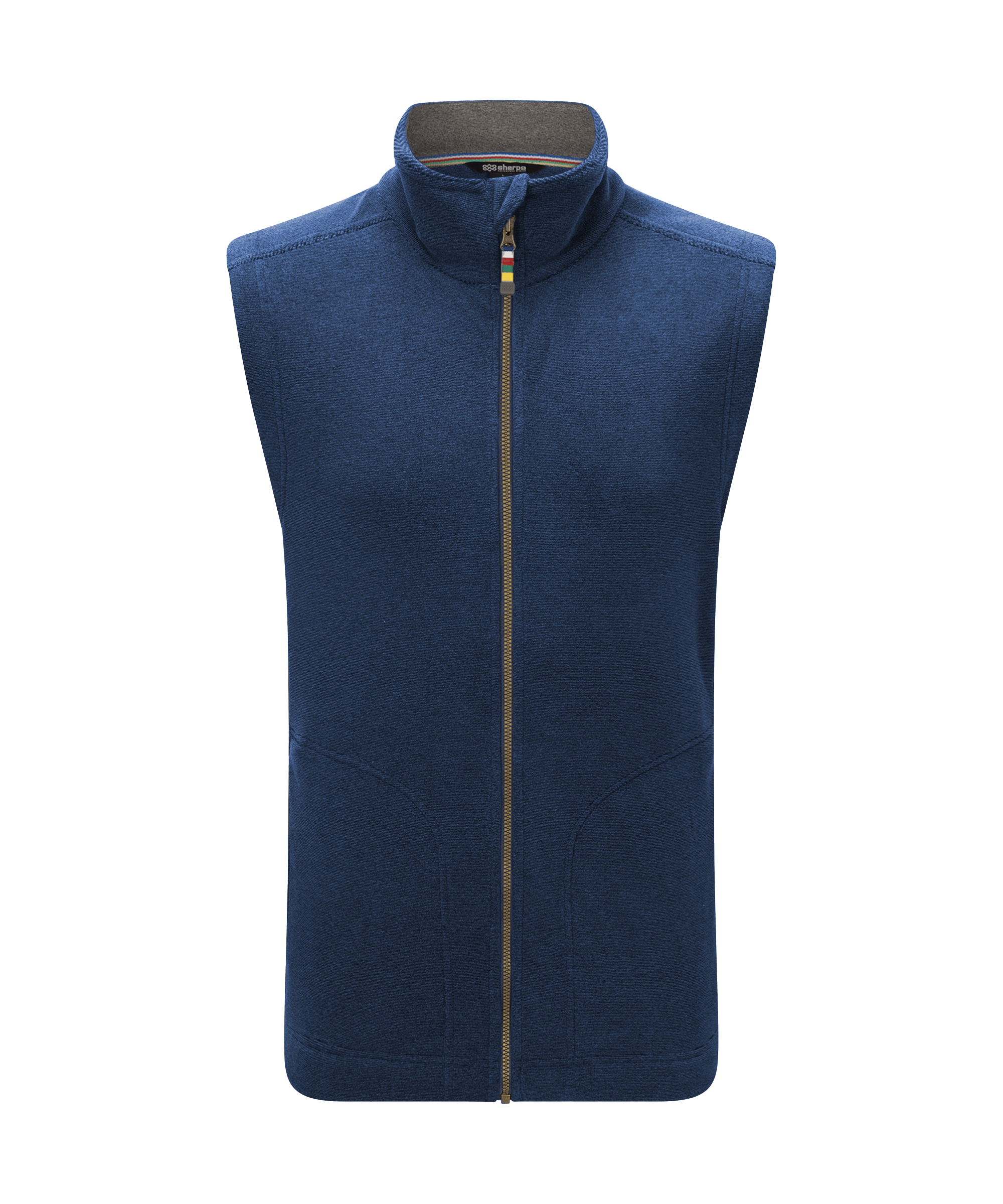
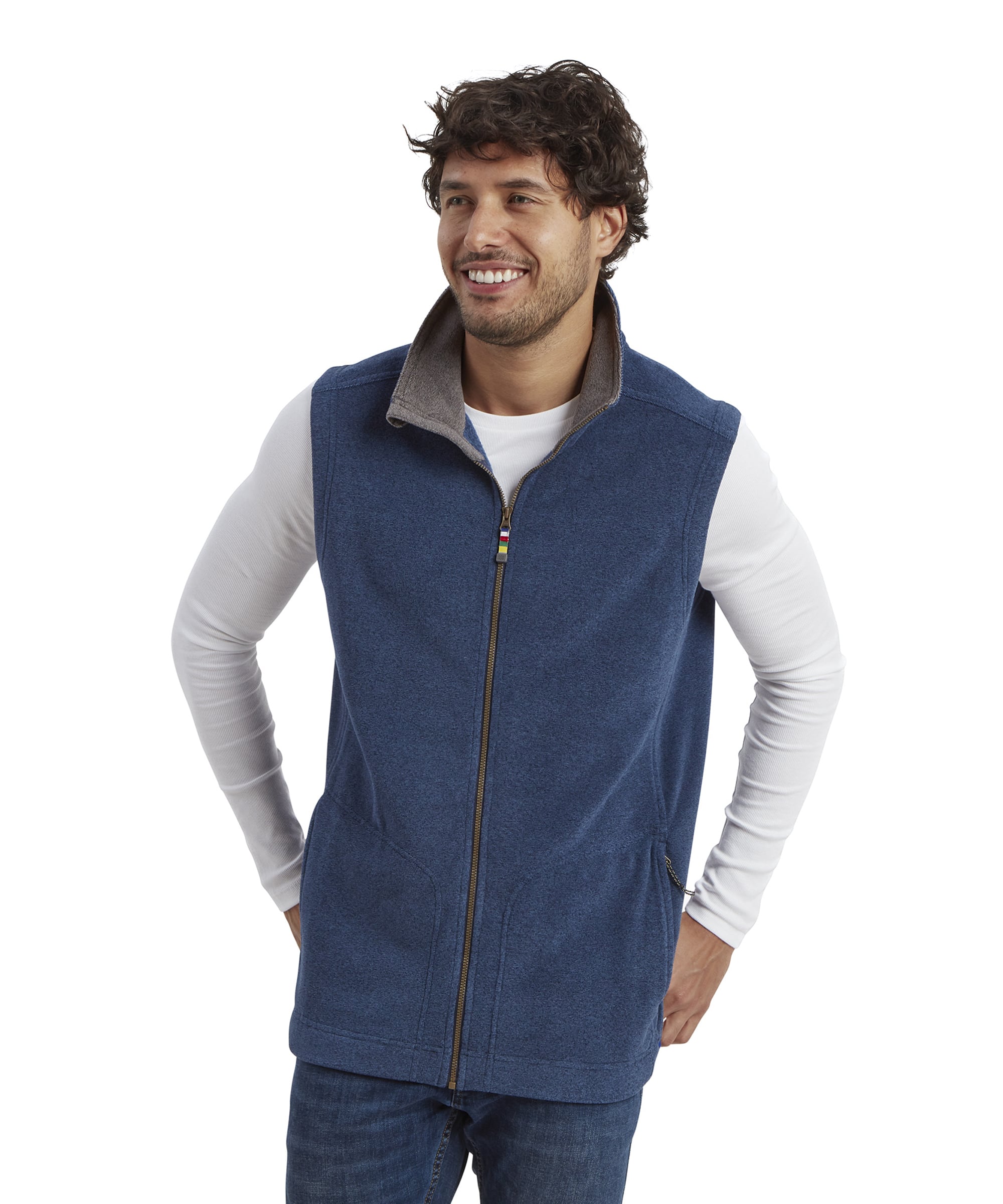
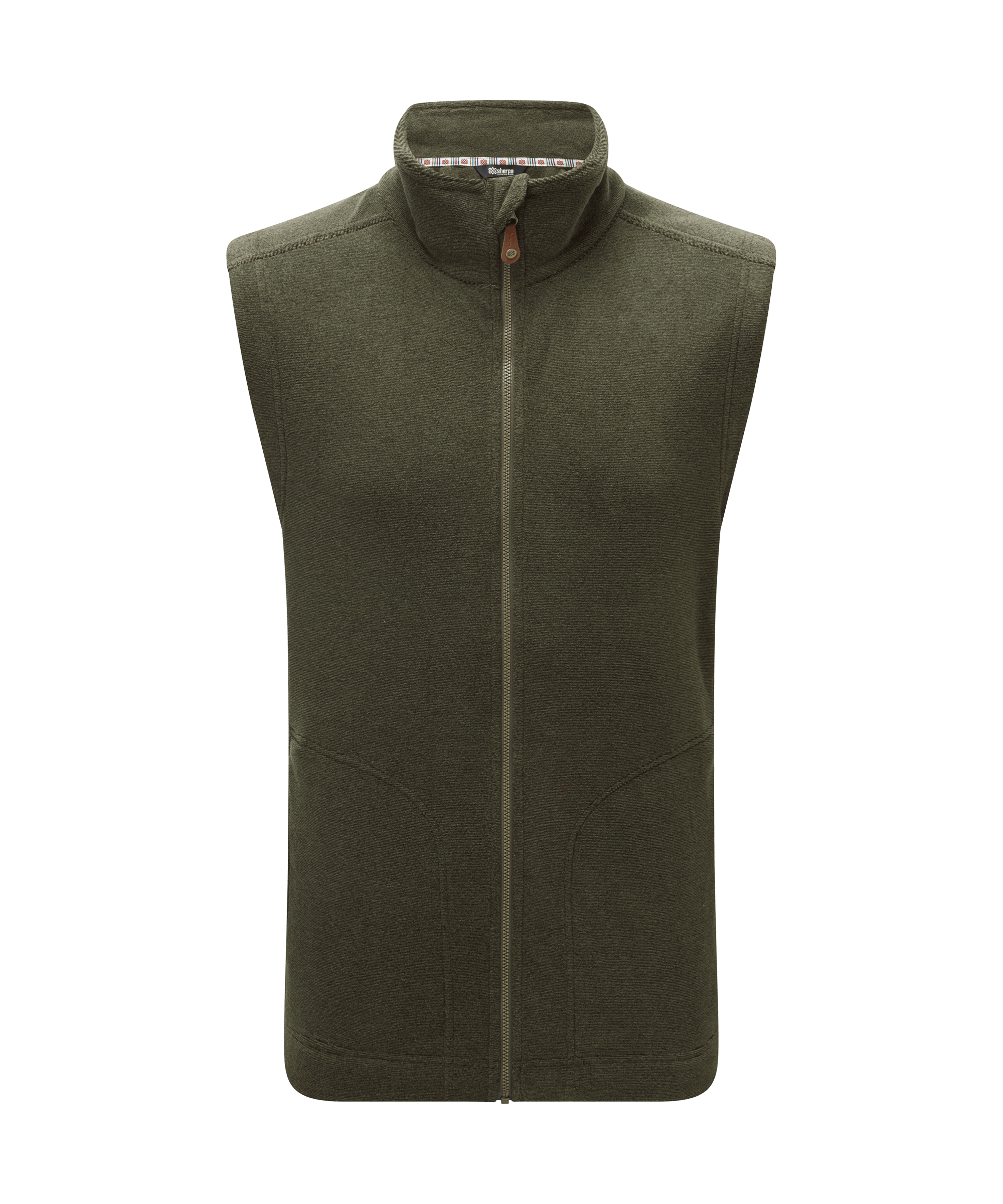
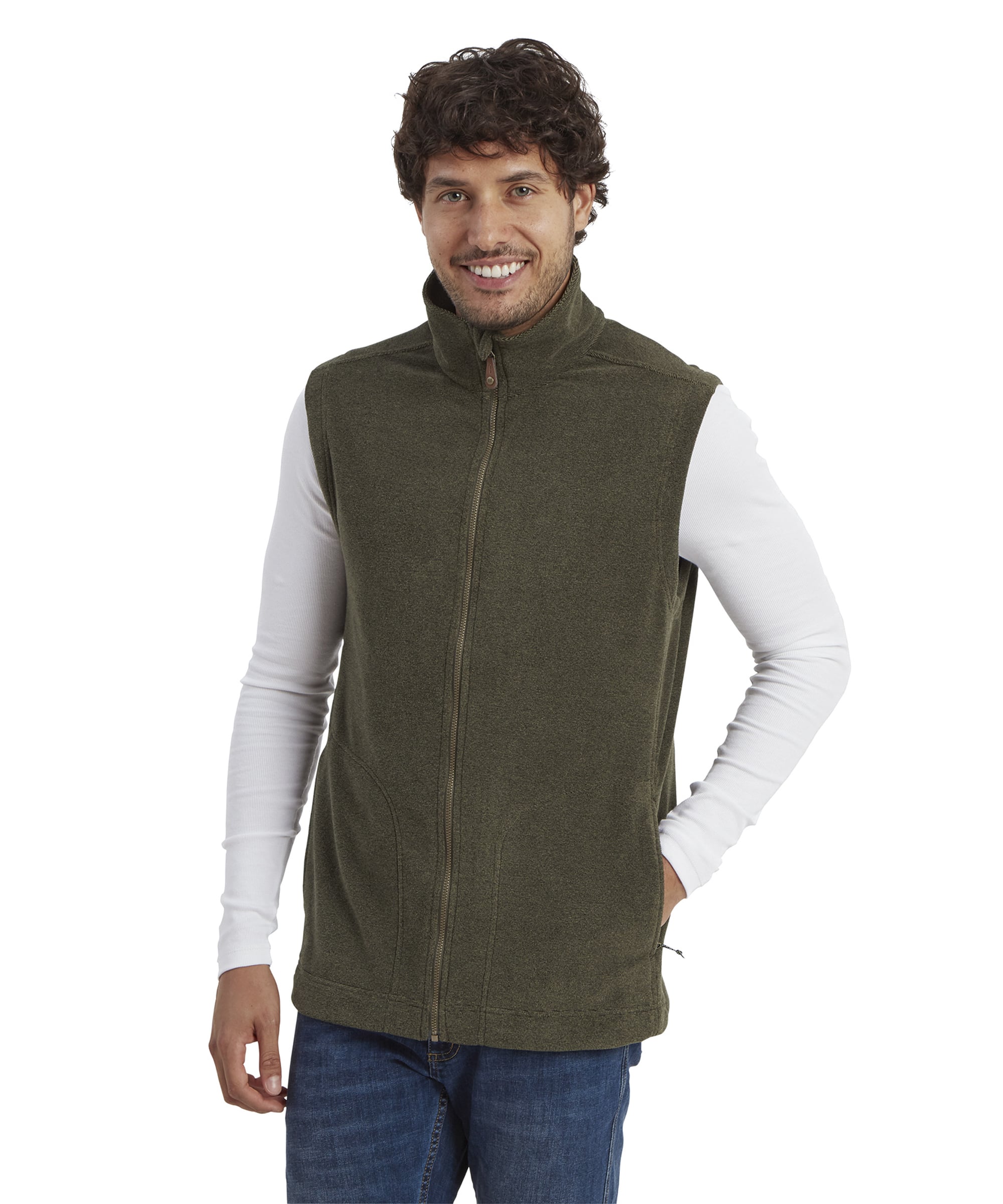
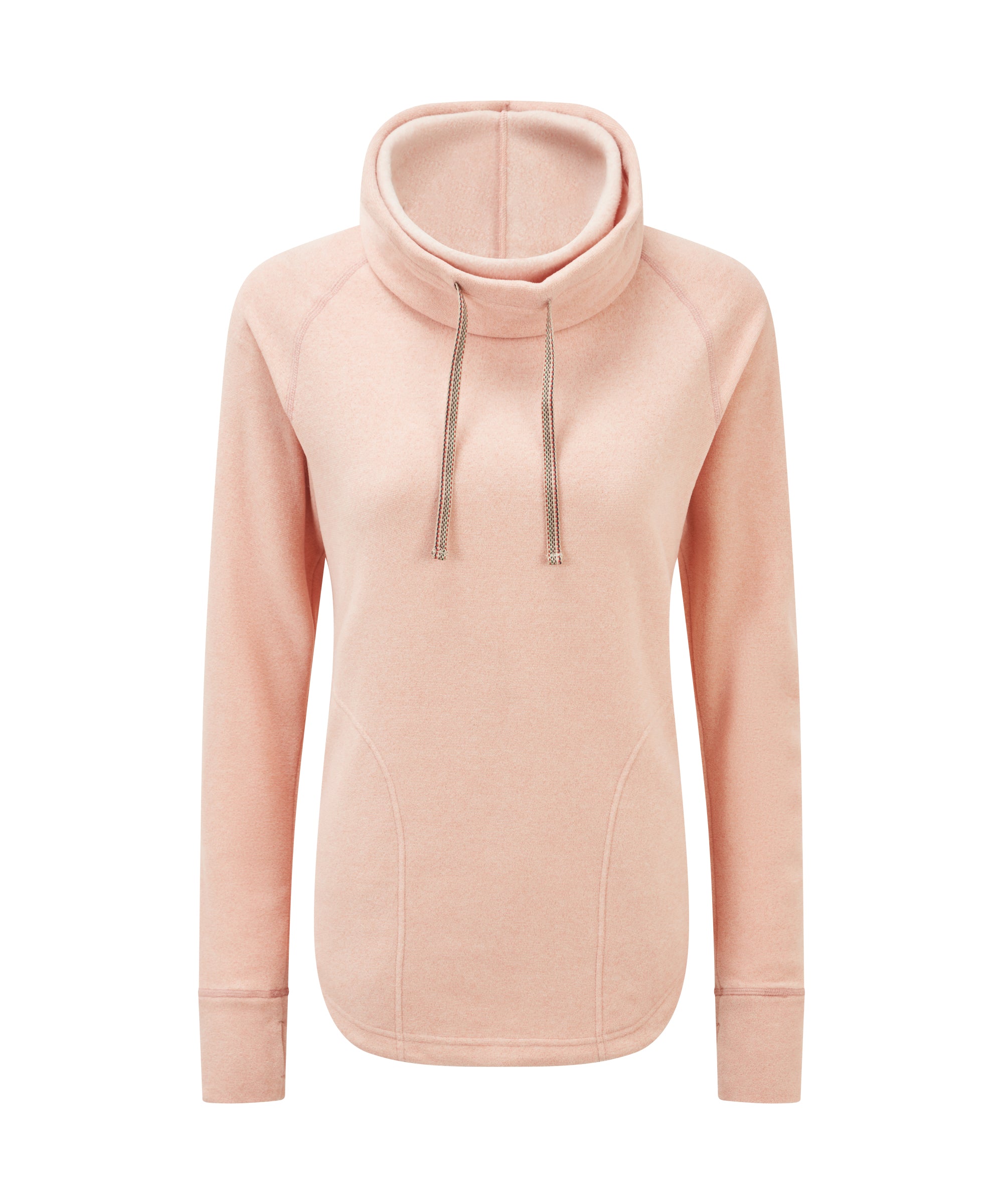
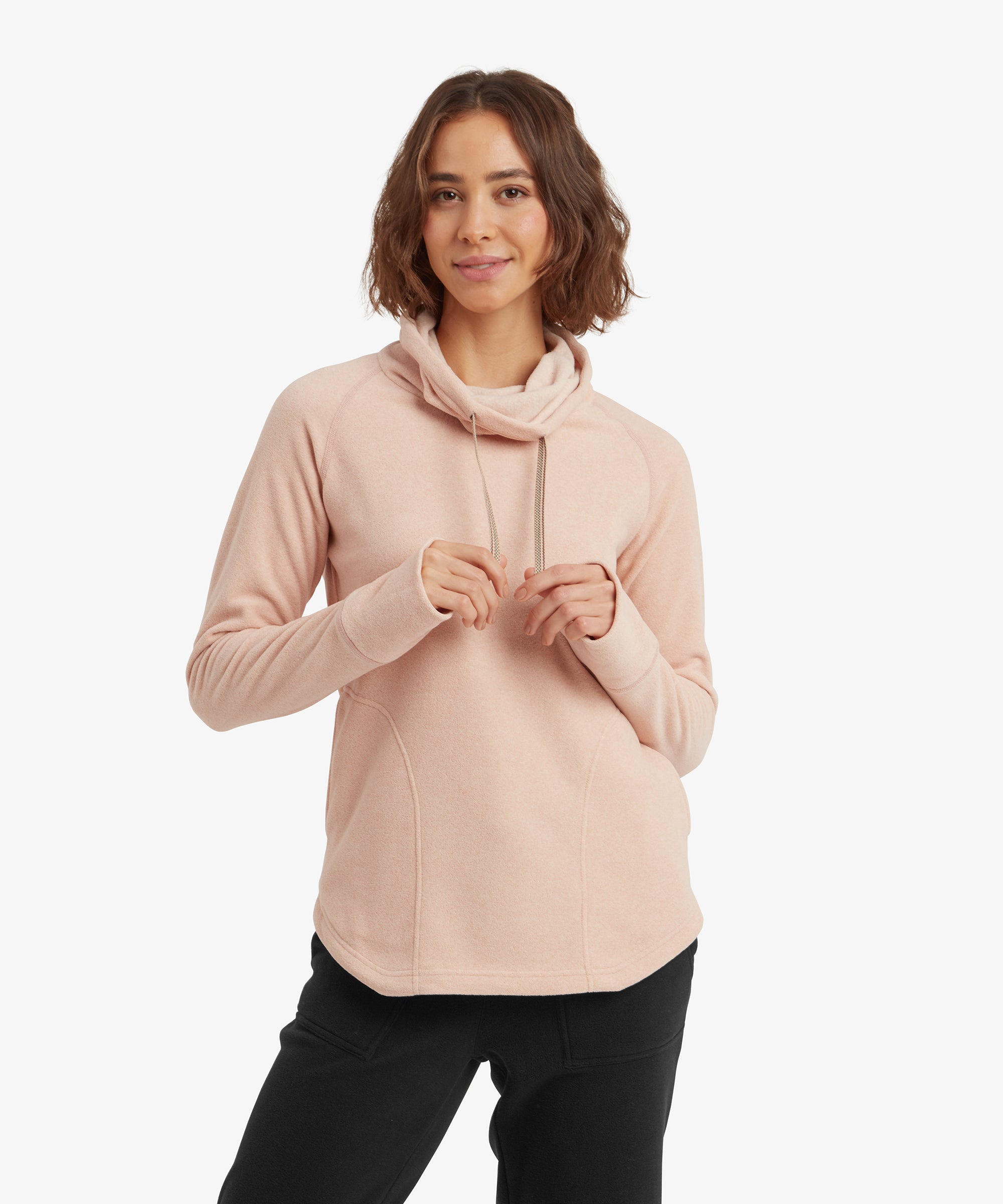
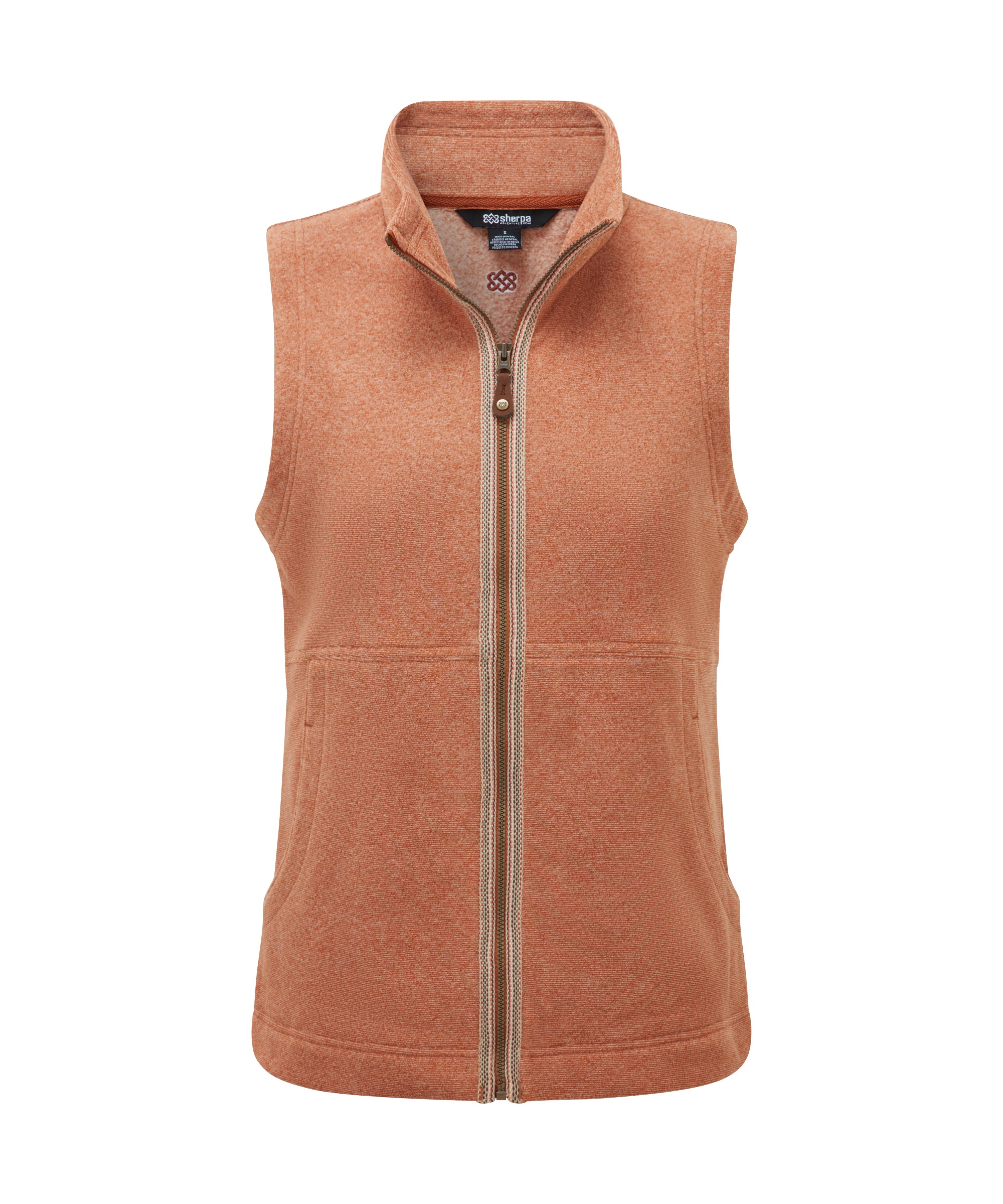
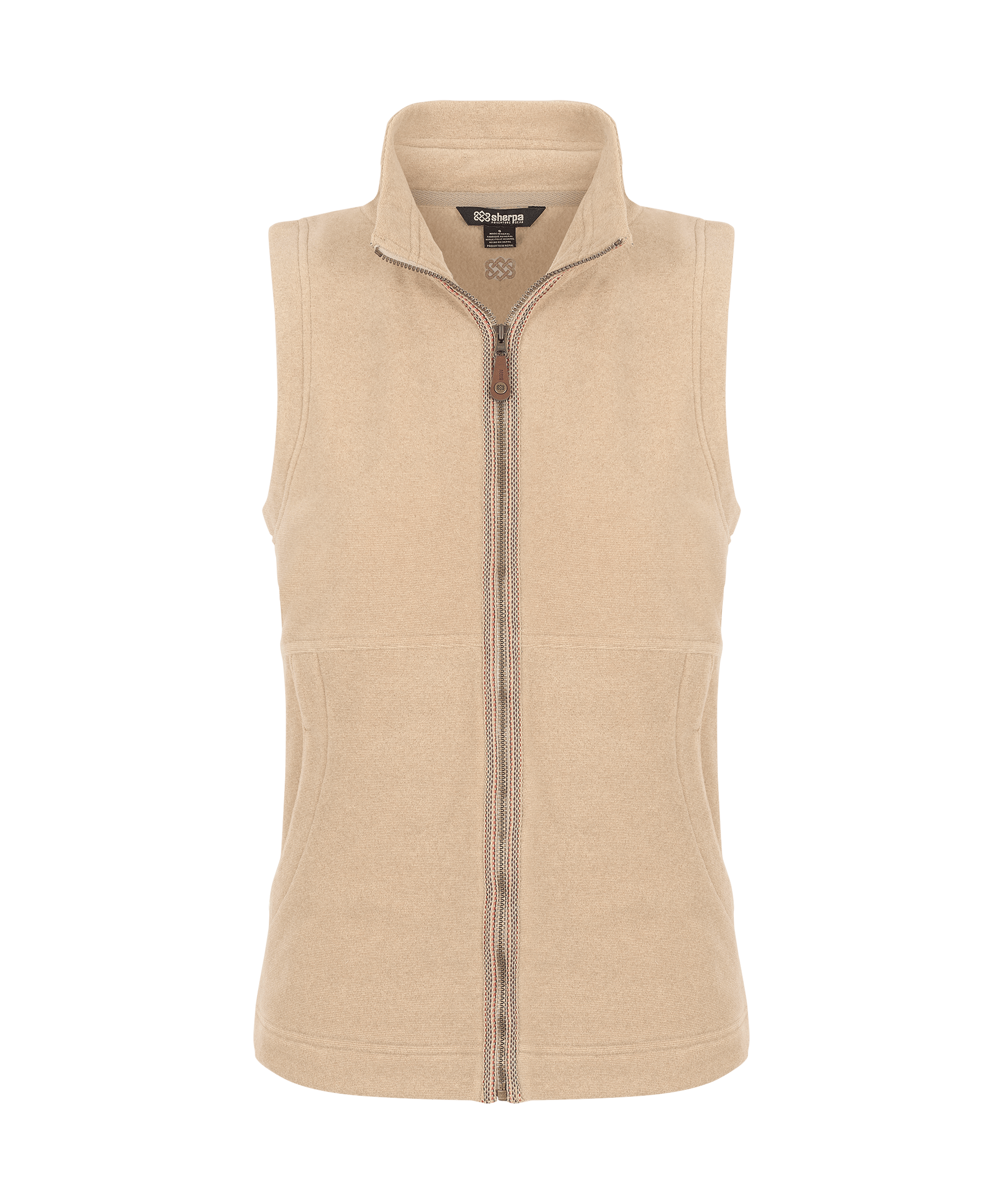
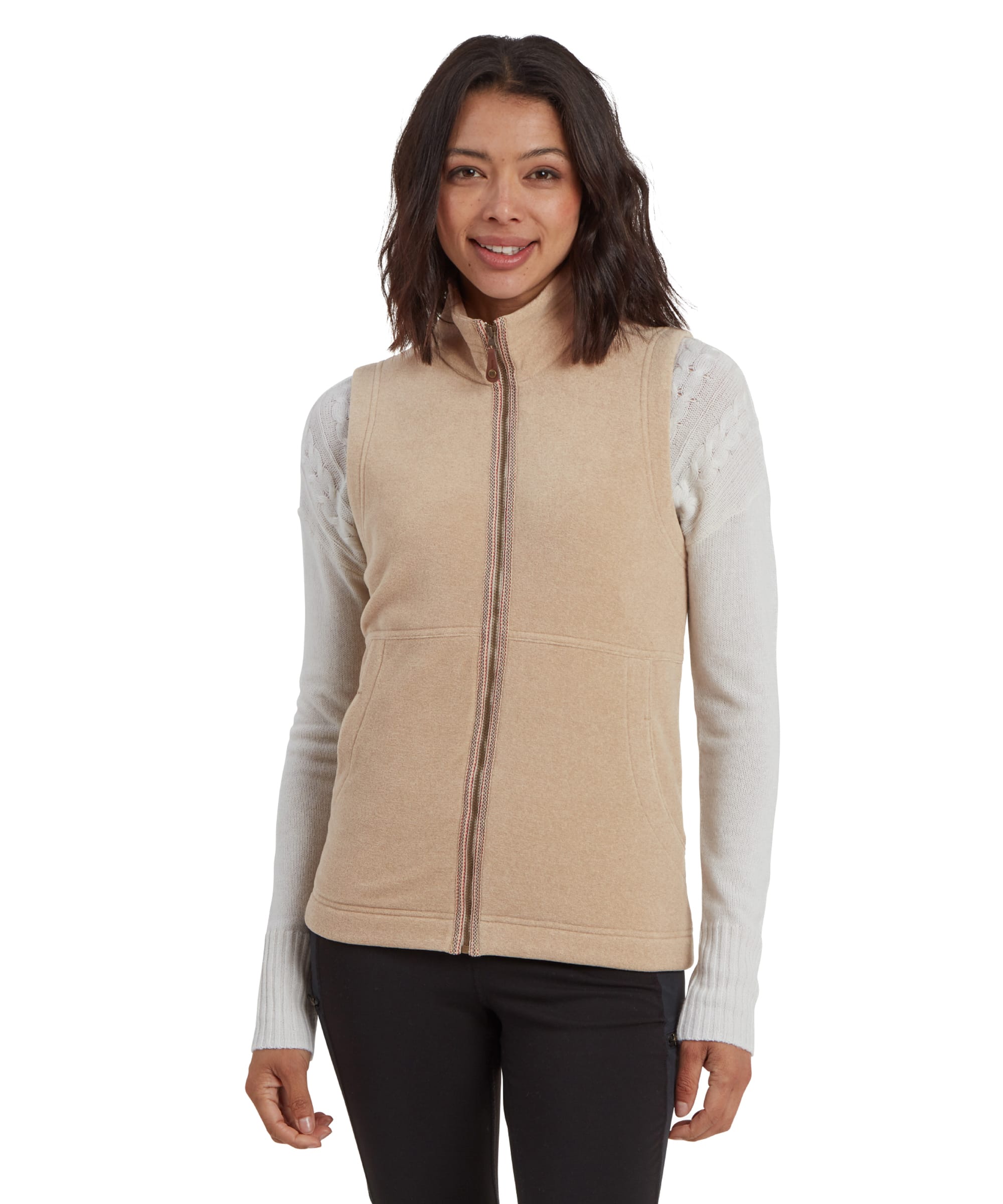
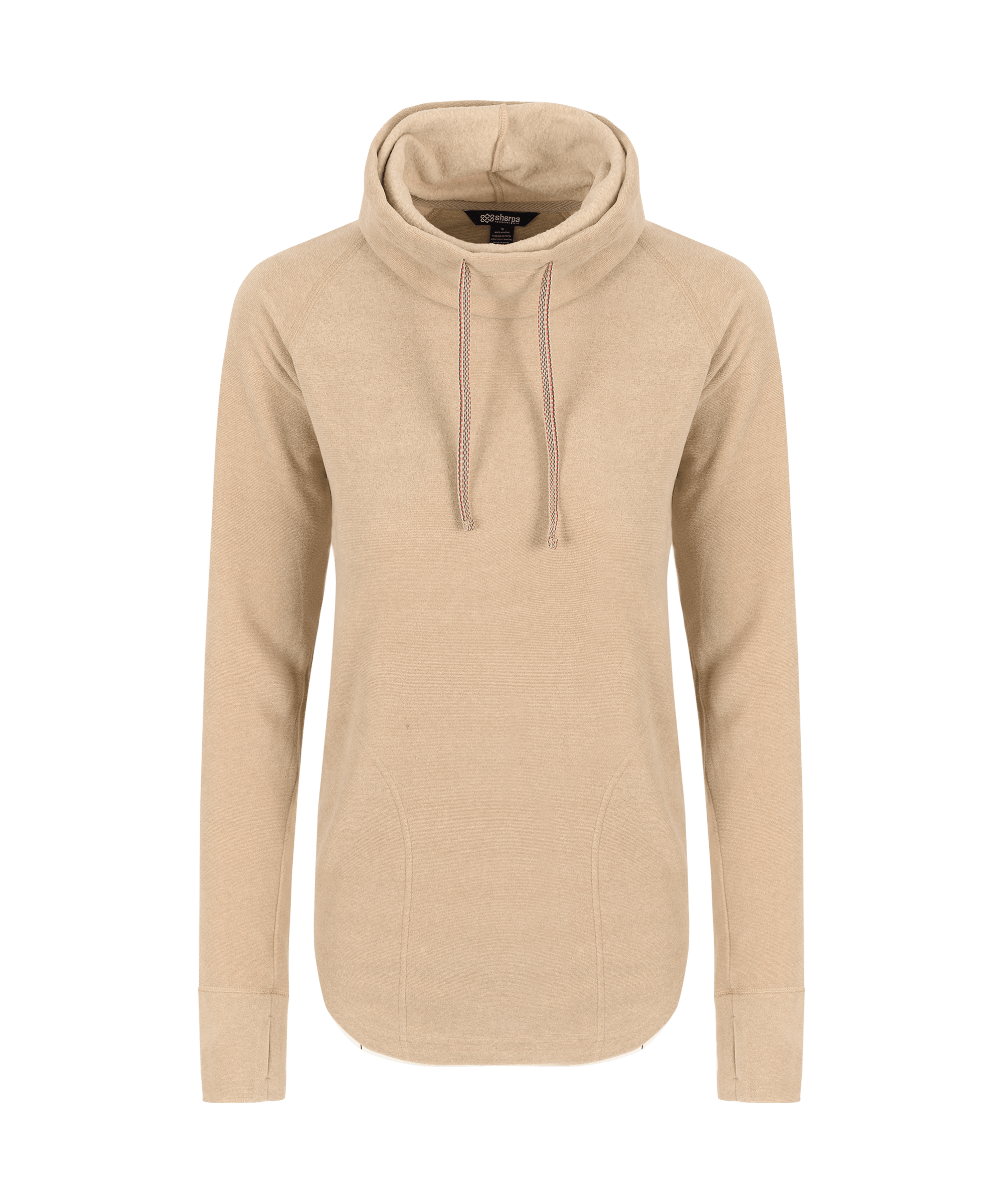
Recycled polyester fleece is designed to trap heat as its lofted structure creates tiny air pockets that retain body warmth while still allowing moisture to escape. This balance makes recycled polyester perfect for a fleece that is great for both high energy activities and for slow, frosty mornings. Whether you choose a full-zip fleece jacket for easy layering, a versatile men's or women's quarter zip fleece for adaptable ventilation, a lightweight fleece vest for core warmth, or a classic men's or women's fleece pullover for everyday comfort, recycled polyester offers reliable insulation without unnecessary bulk.
We offer three different weights of fleece, each offering a different level of warmth, breathability and movement to make your layers work for you.
Understanding fleece weight
A 100-weight fleece, often referred to as micro fleece, is lightweight and breathable, making it ideal for layering or high-energy activities. A 200-weight fleece offers balanced warmth for everyday wear and versatile outdoor use. A 300-weight fleece, commonly known as polar fleece, provides maximum insulation for colder conditions. While fleece weight indicates warmth and thickness rather than overall garment weight, understanding the differences between micro fleece and polar fleece helps you choose the right layer for your activity and comfort needs.
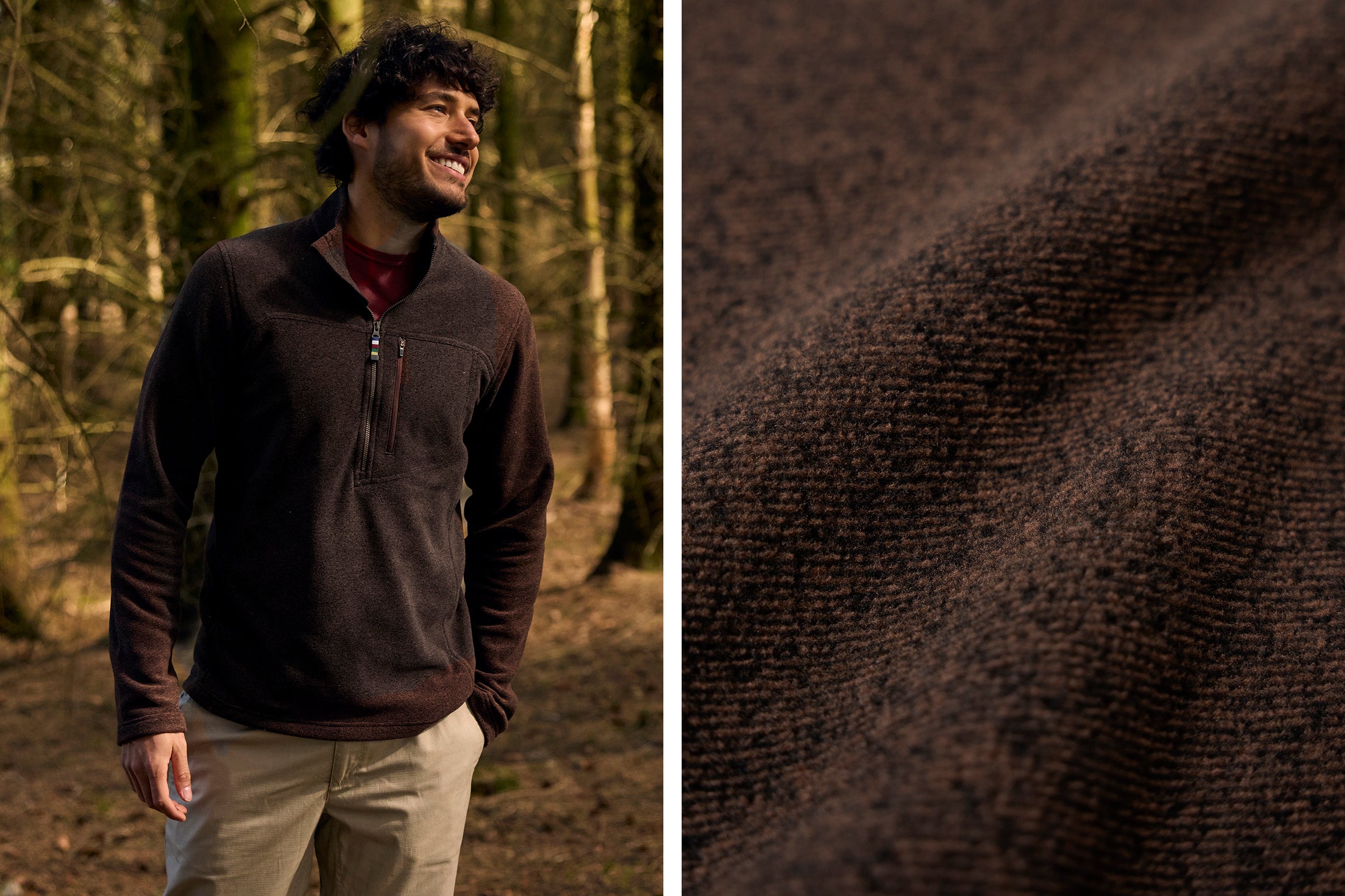
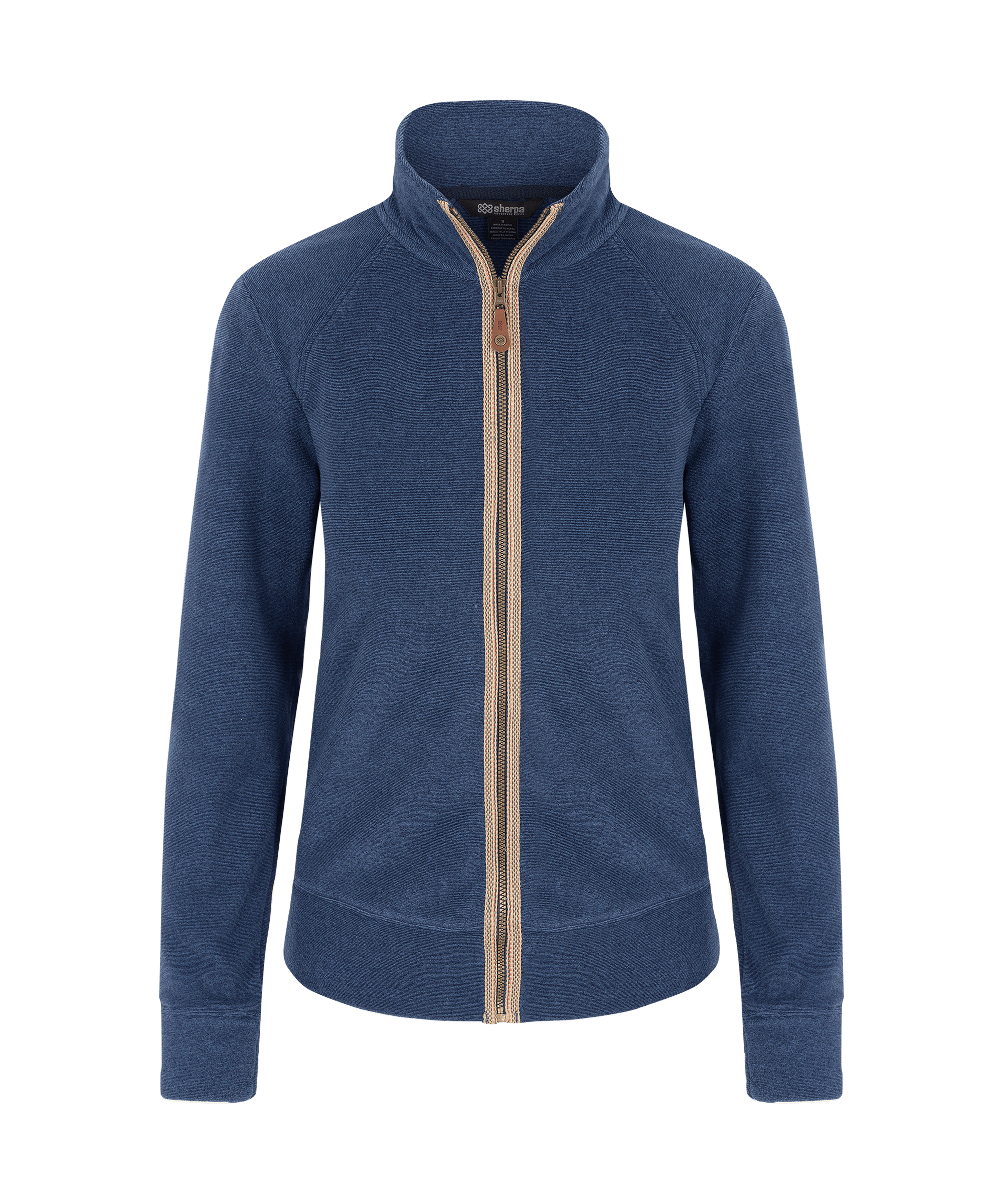
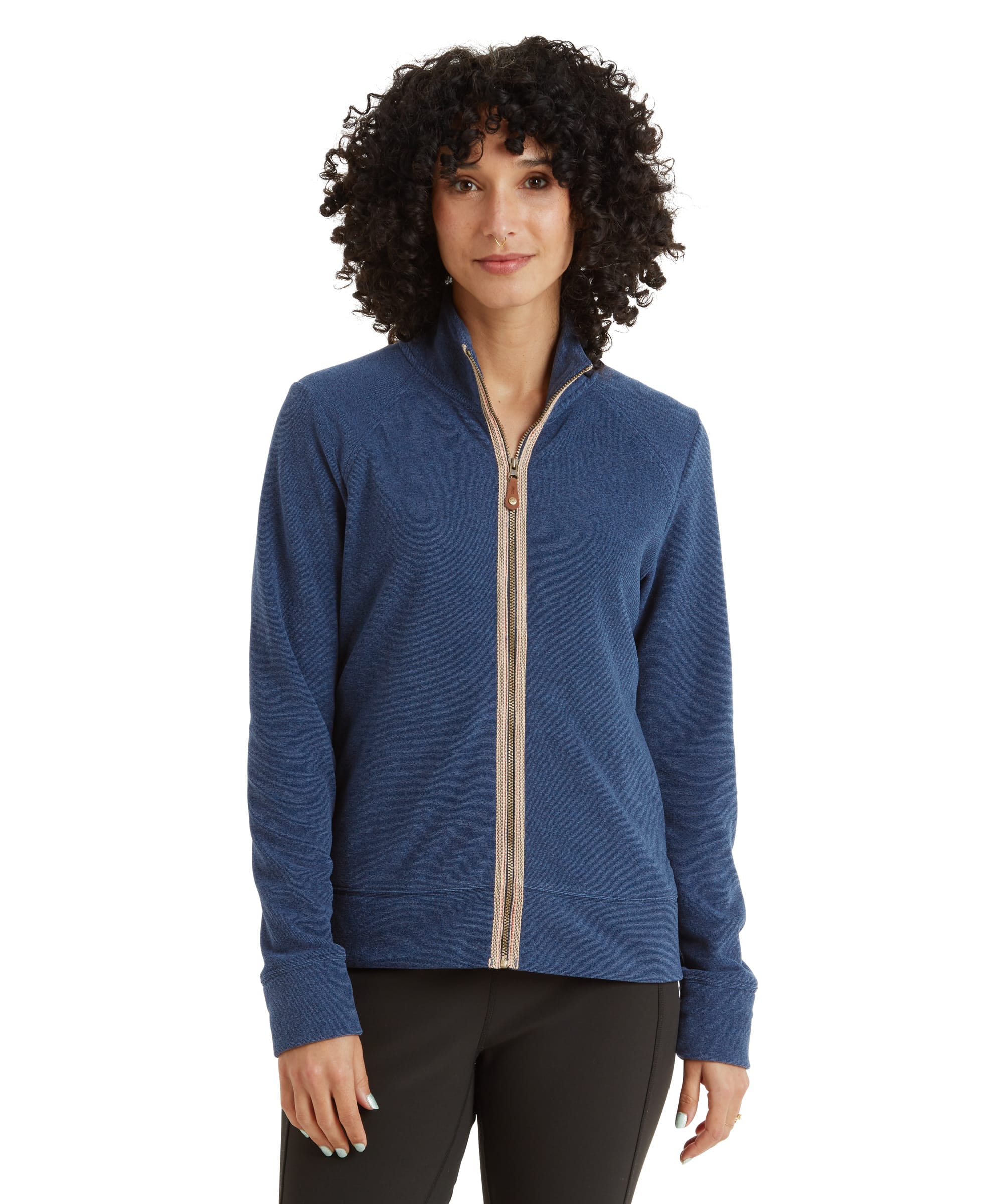
100 weight fleece
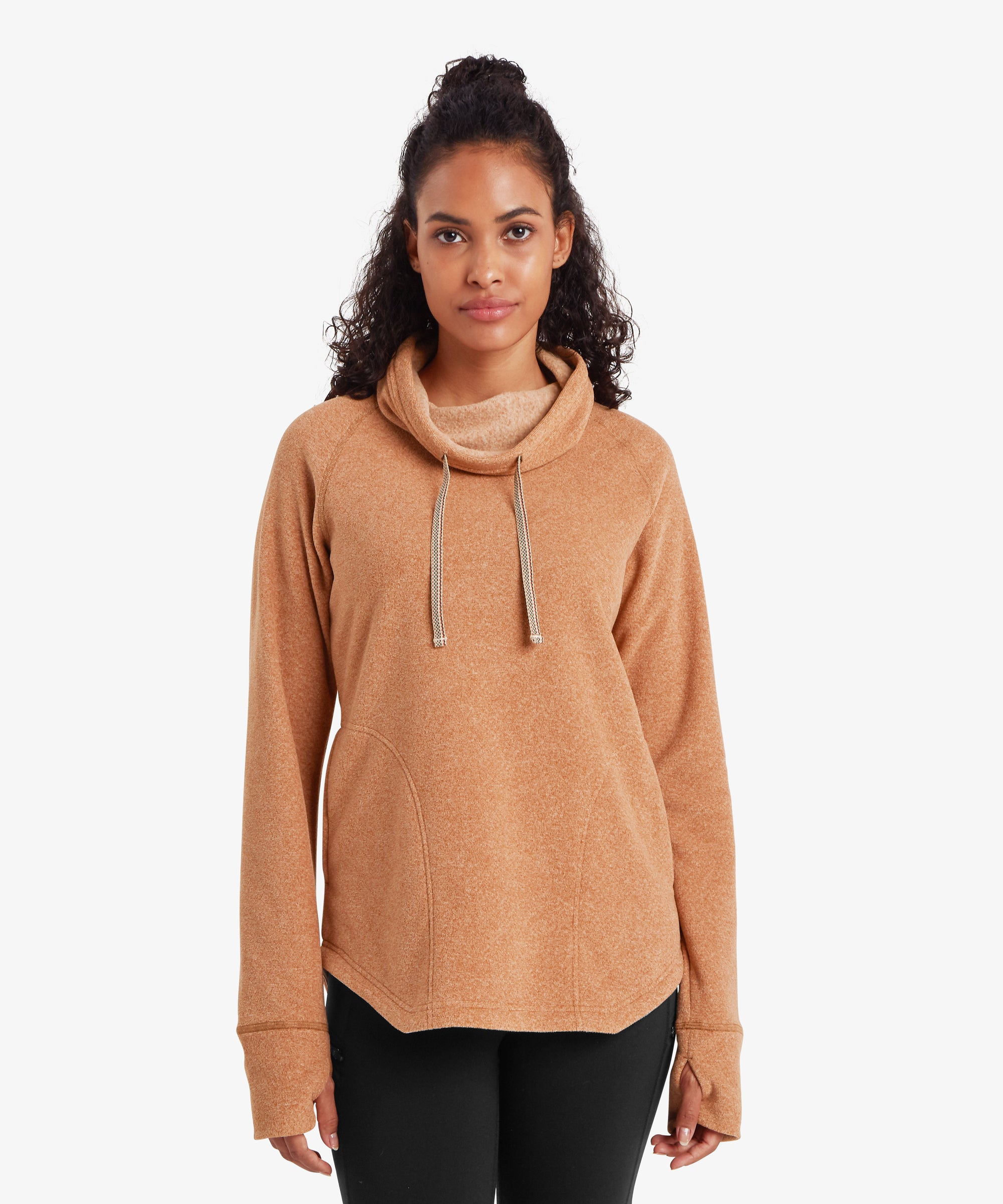
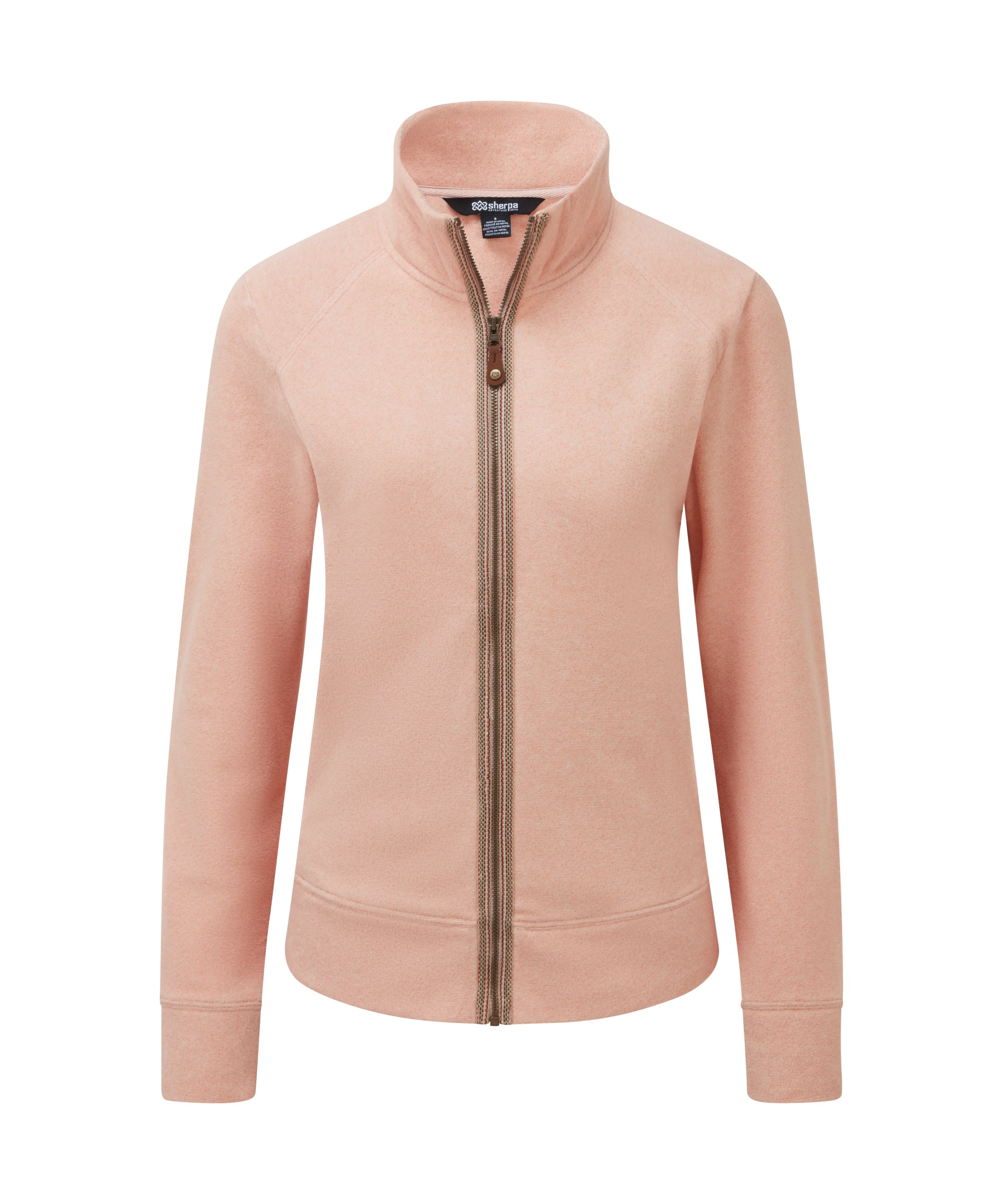
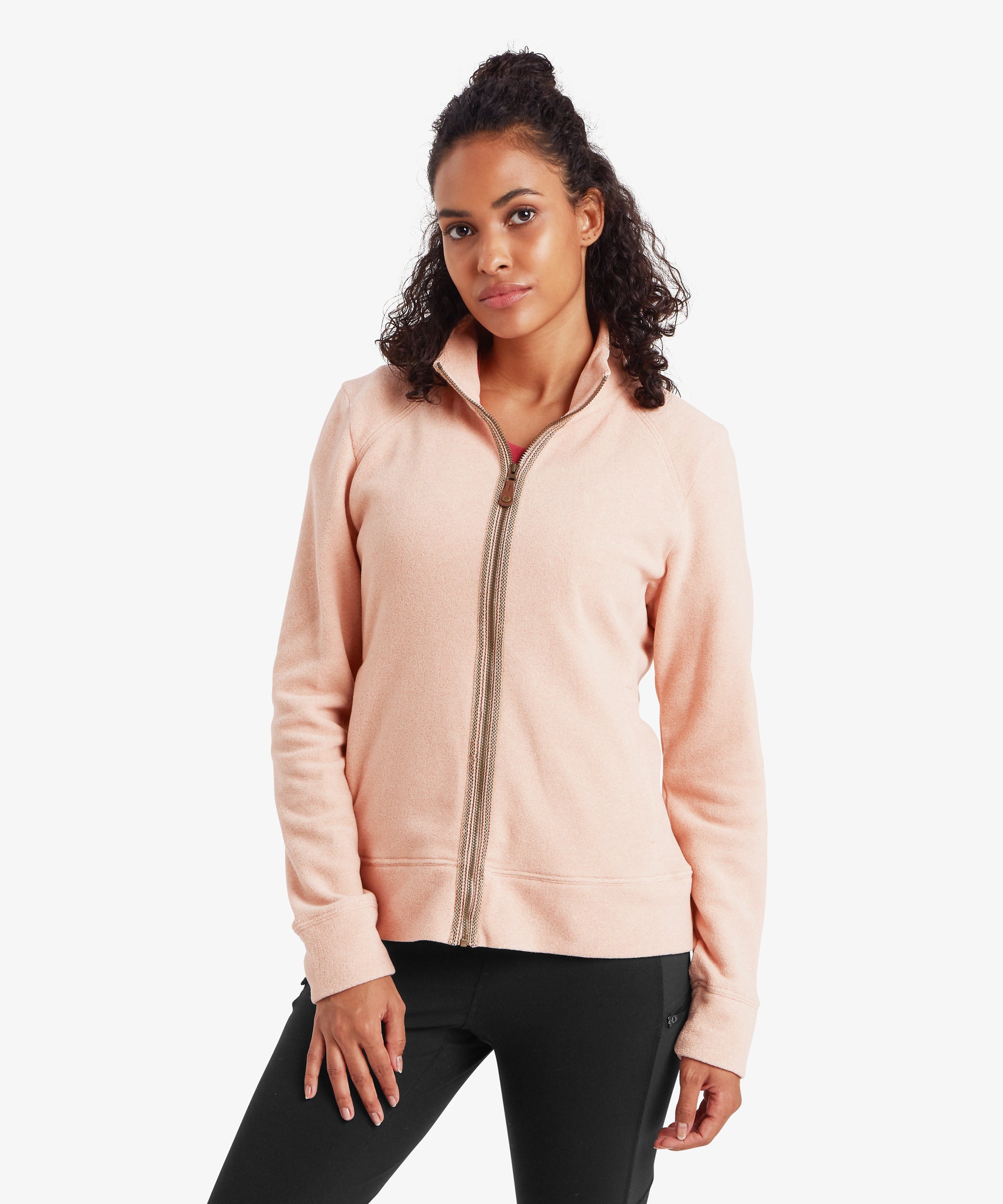
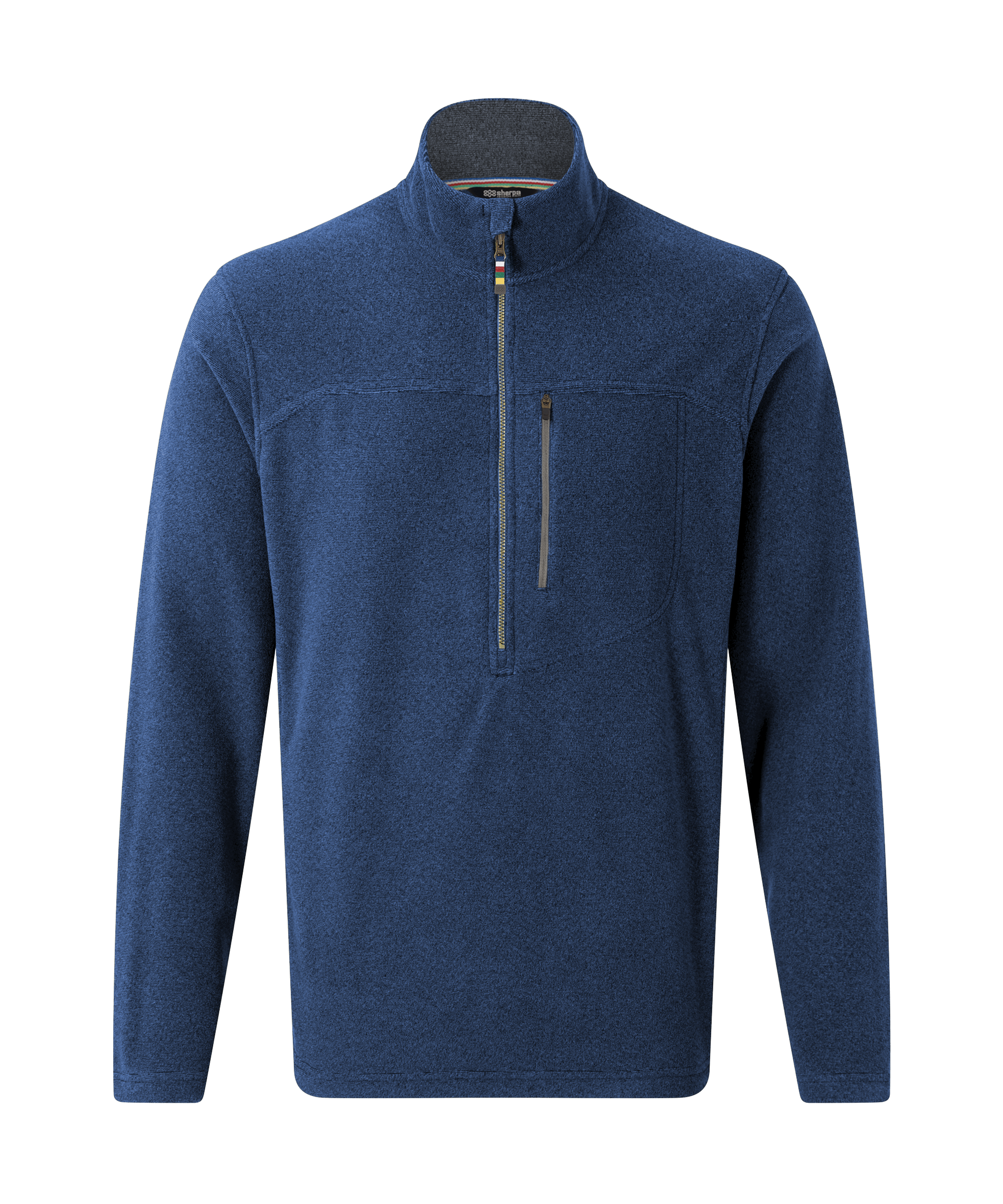
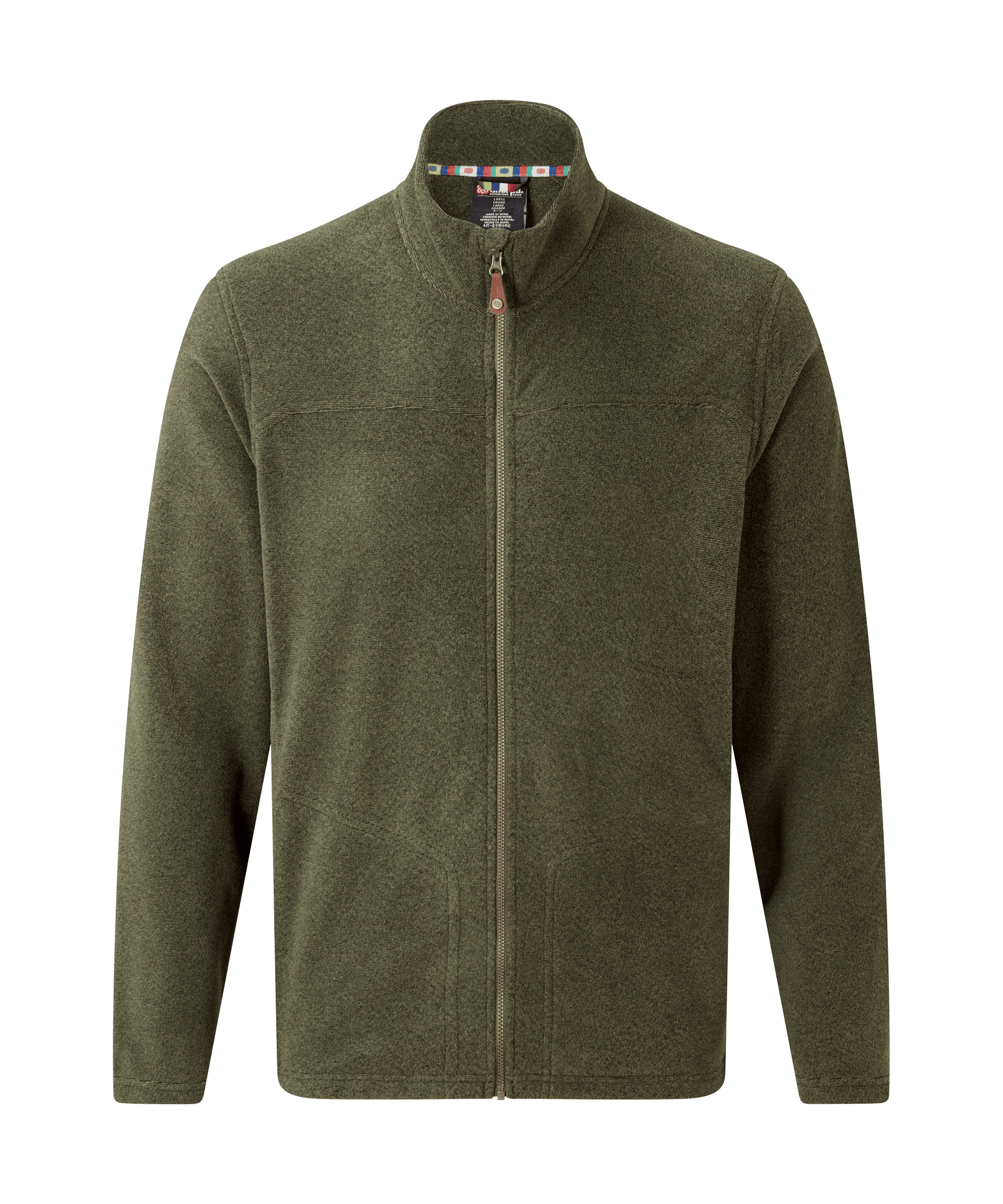
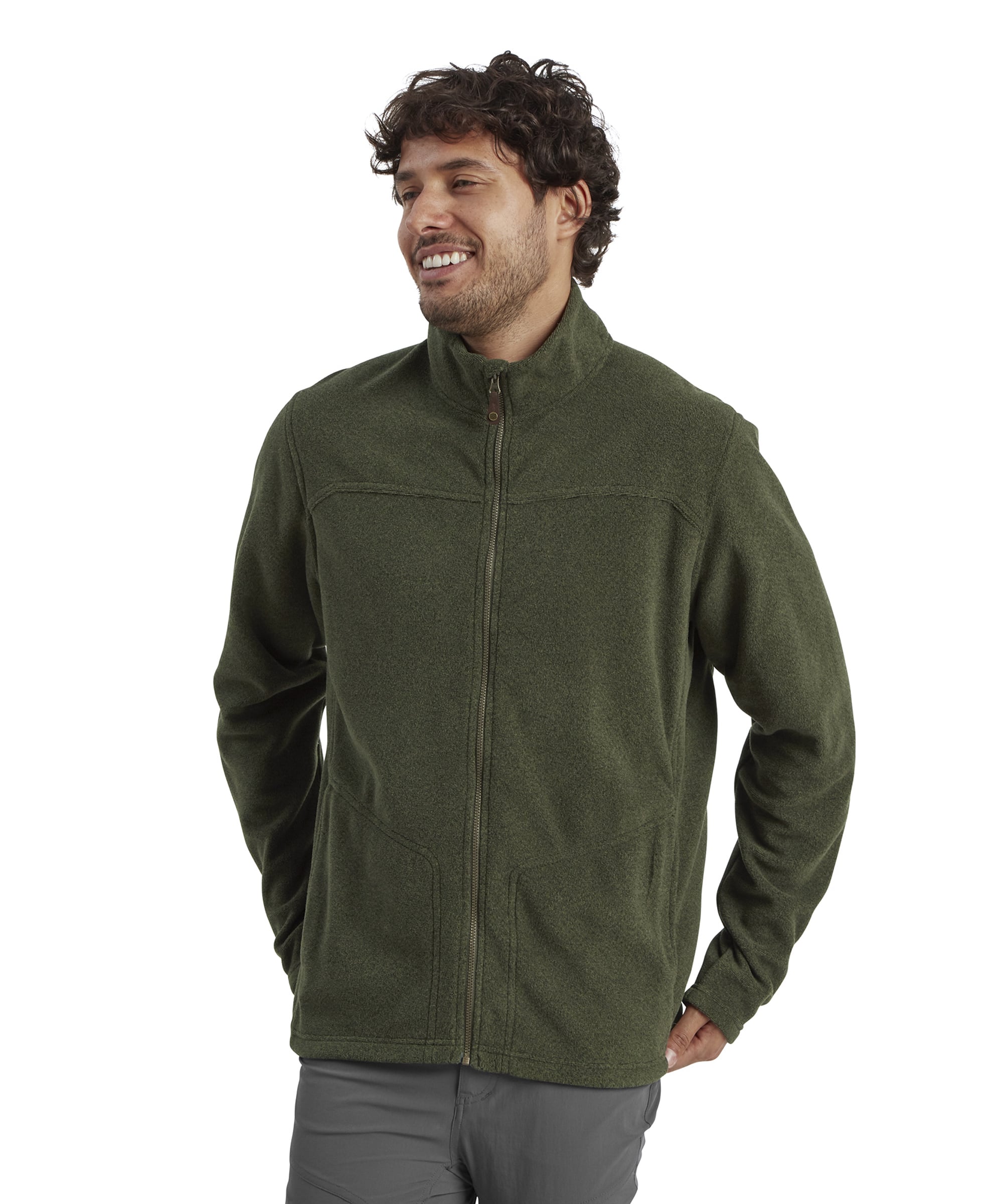
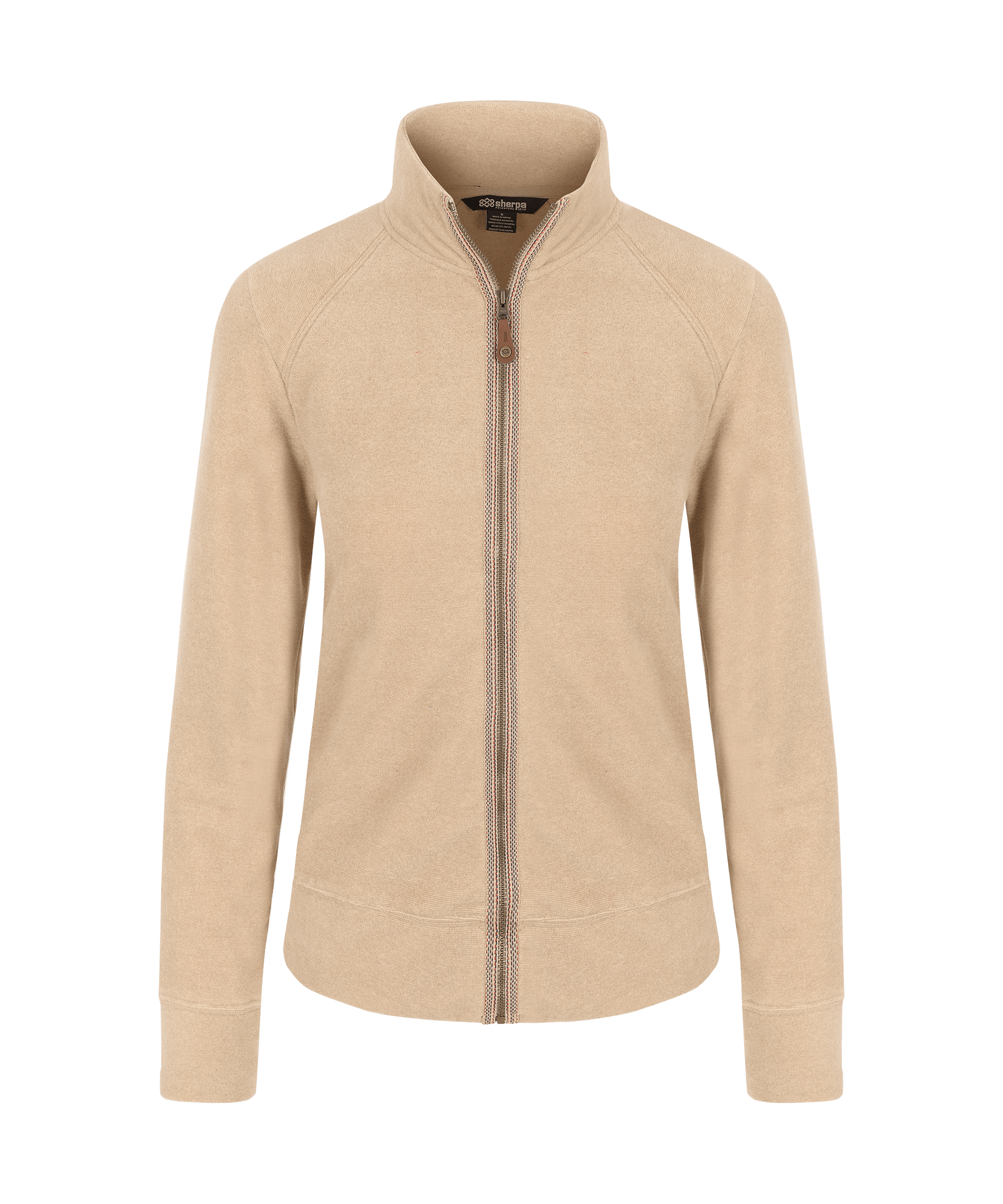
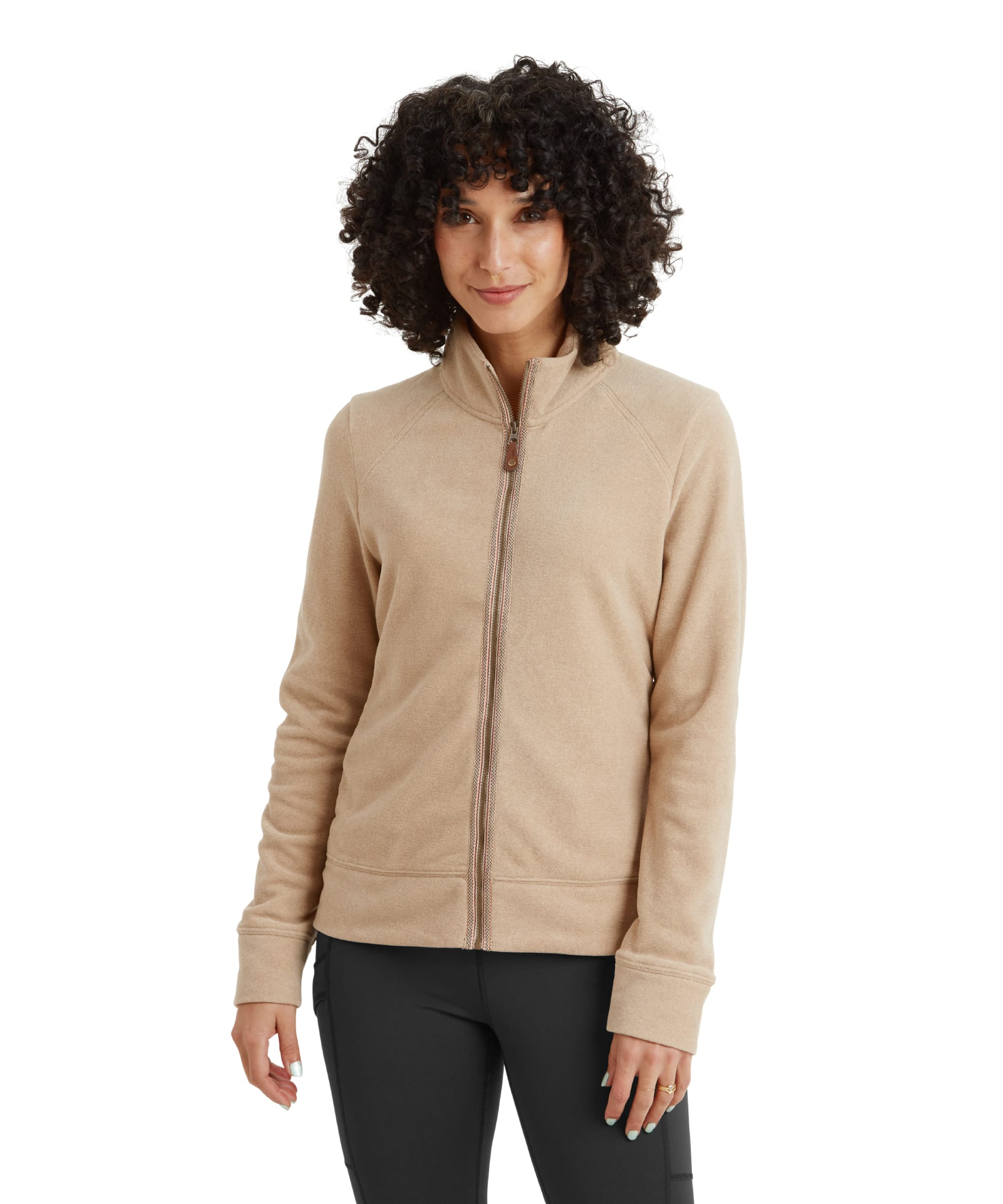
Perfect for a lightweight midlayer, our 100 weight fleece is breathable, flexible and ideal for activities like hiking, running or cycling in the cooler months. Offering enough warmth without being too restrictive, it is ideal for layering under jackets and outerwear, perfect for outdoor adventures or cozy walks.
Best for: Active adventures, transitional seasons and flexible layering.
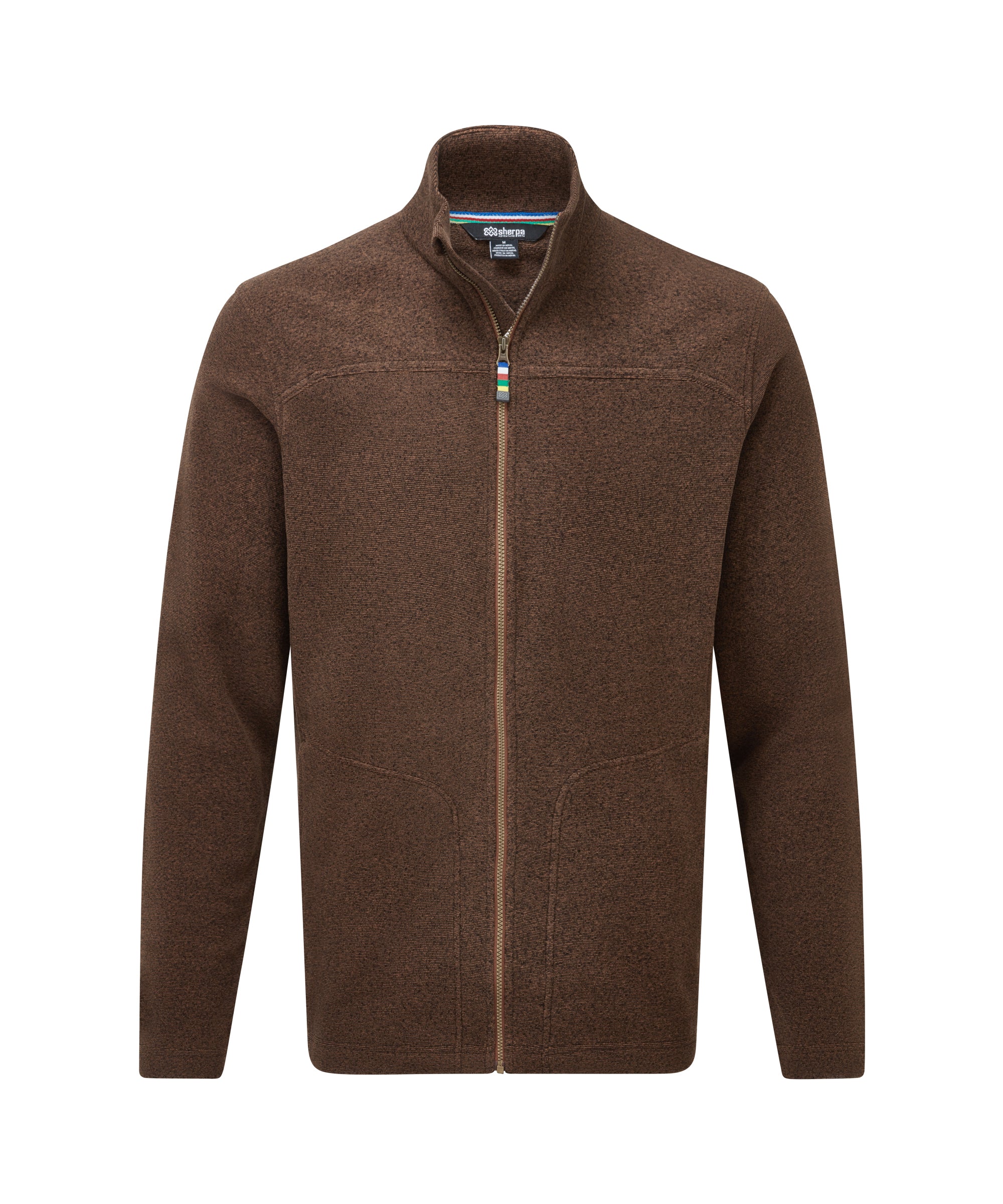
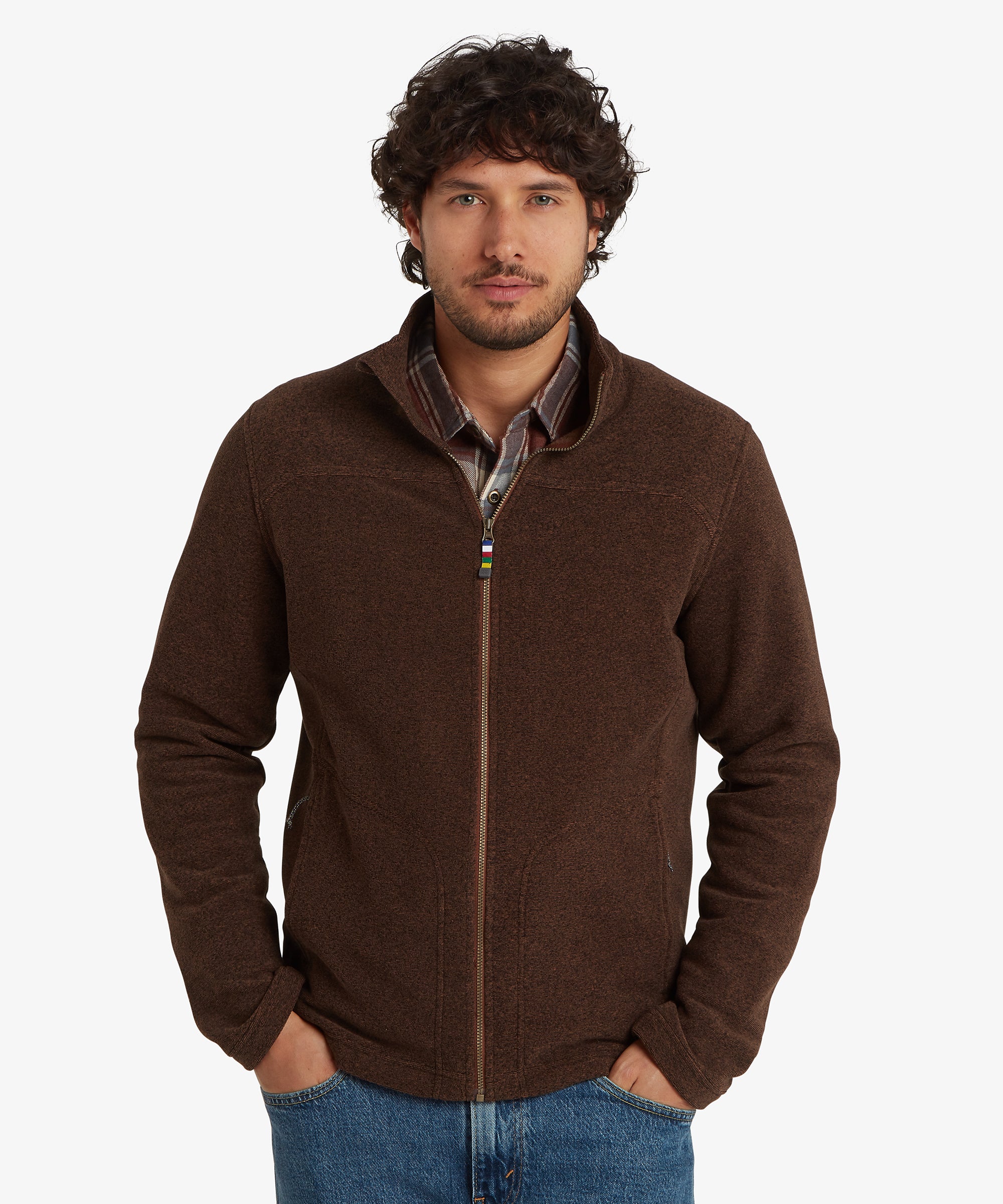
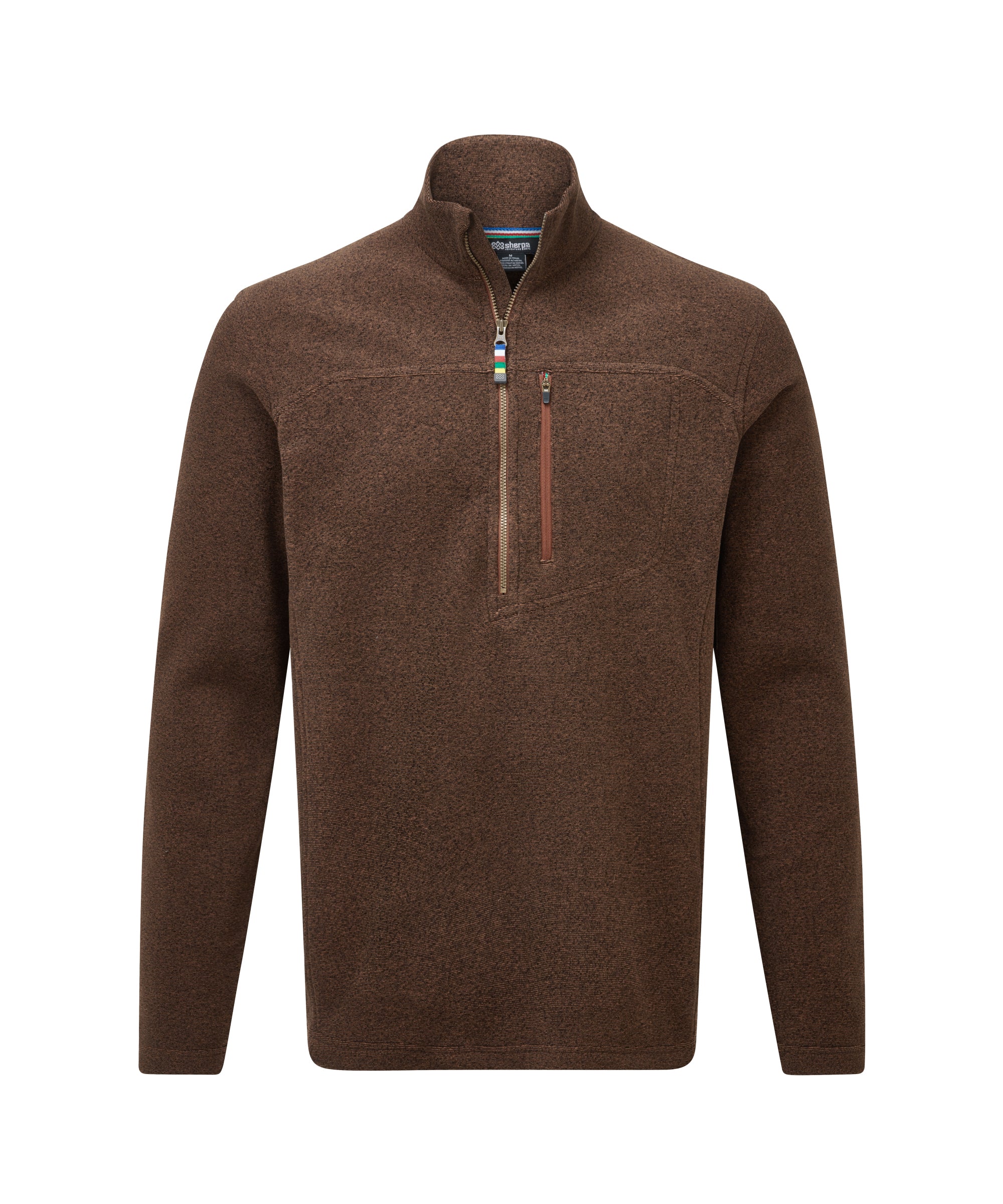
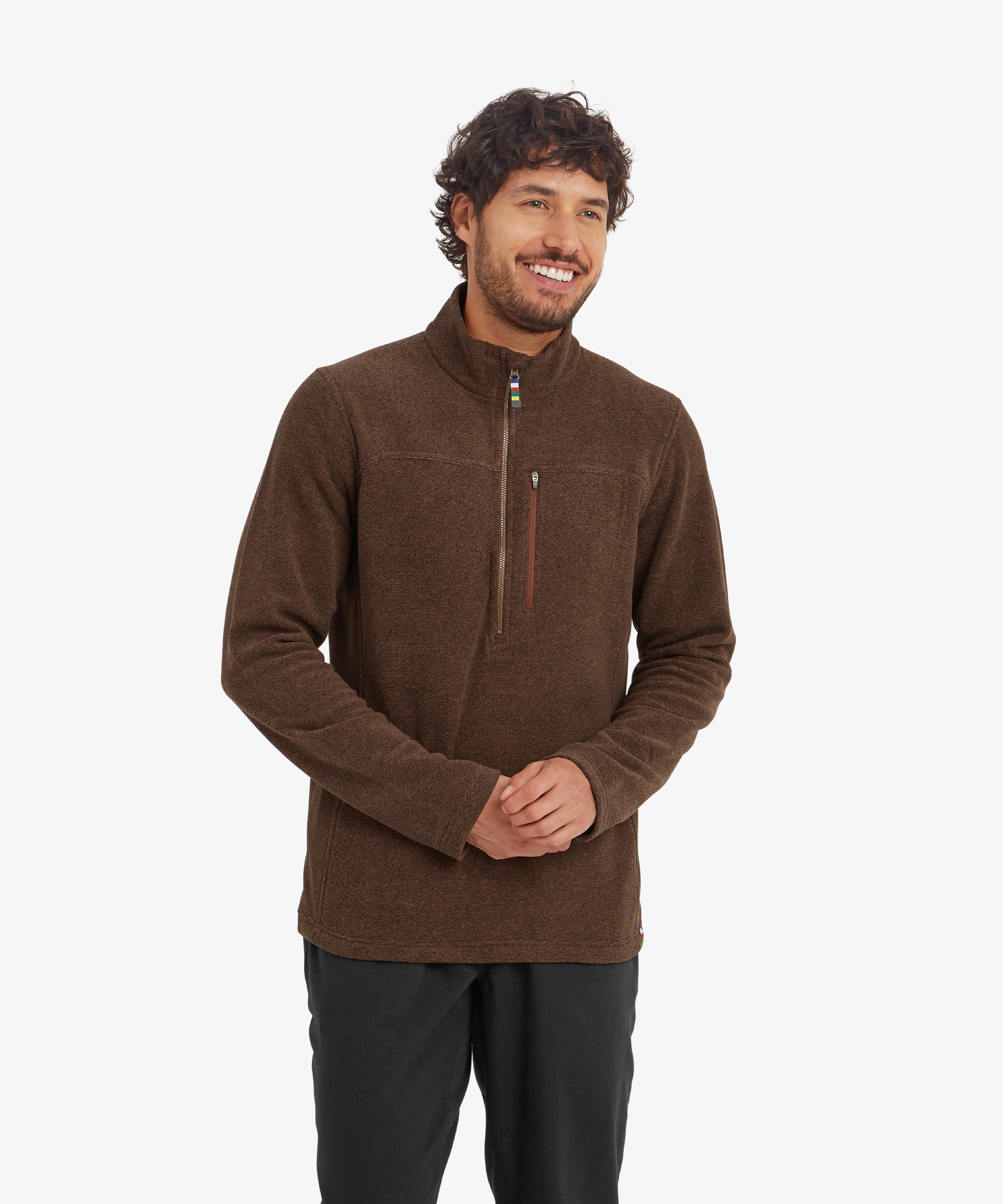
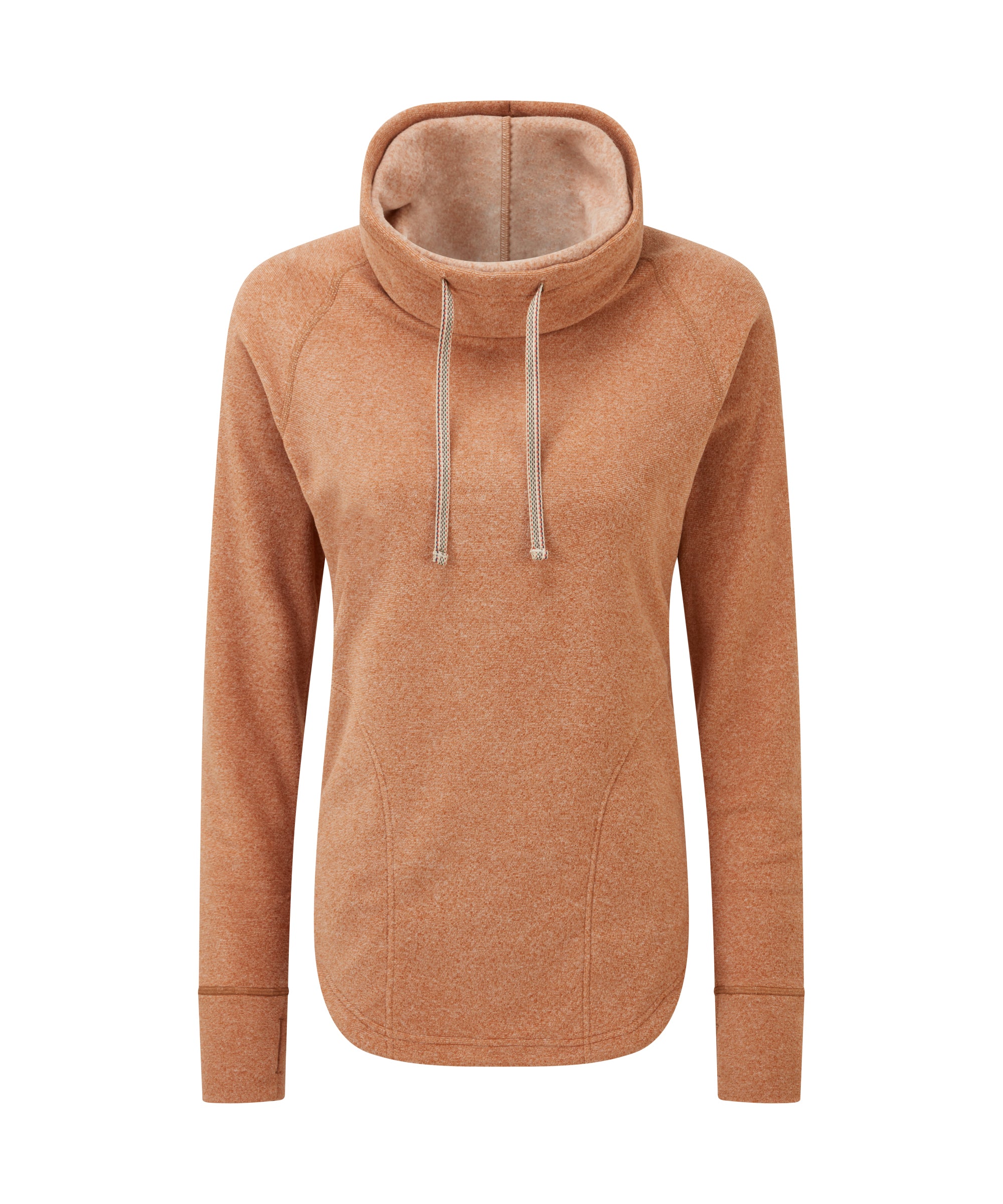

200 weight fleece
This is the best for an all-purpose midlayer. 200 weight provides noticeable warmth whilst still being breathable and easy to move around in. This works best layered under a jacket or on its own on dry, crisp cooler days.
Best for: Everyday winter wear, hikes in chilly weather, layering under outerwear.

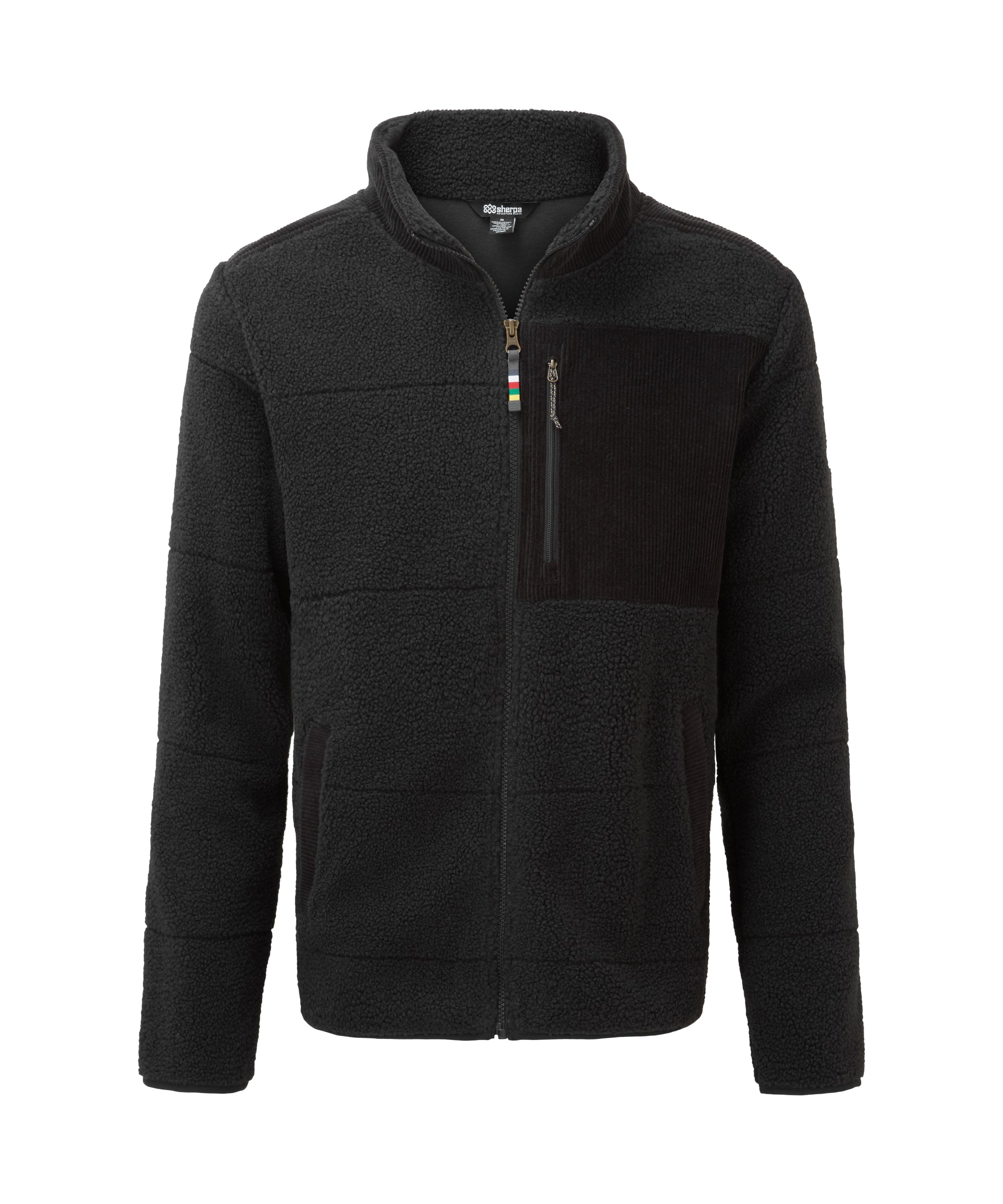

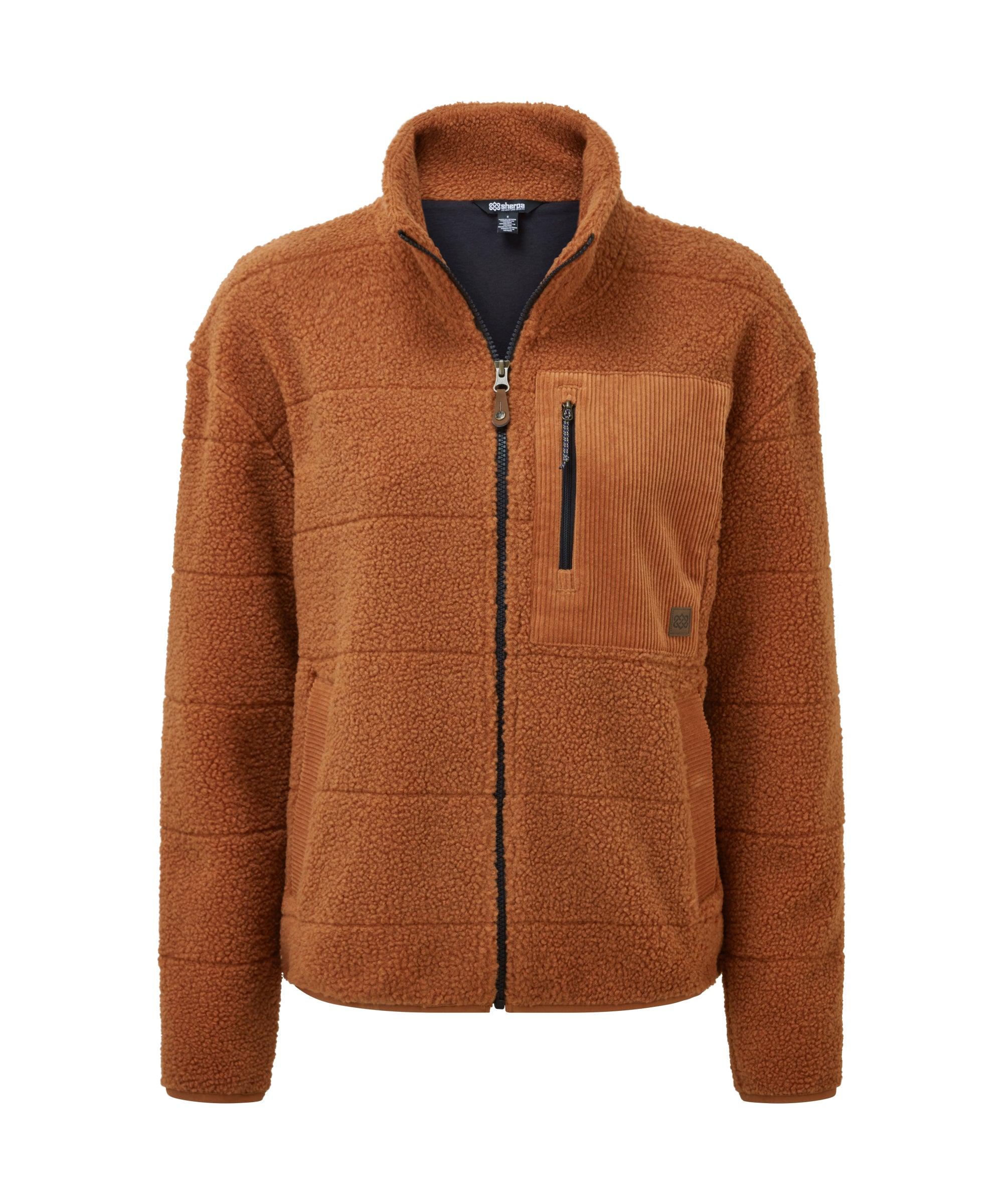
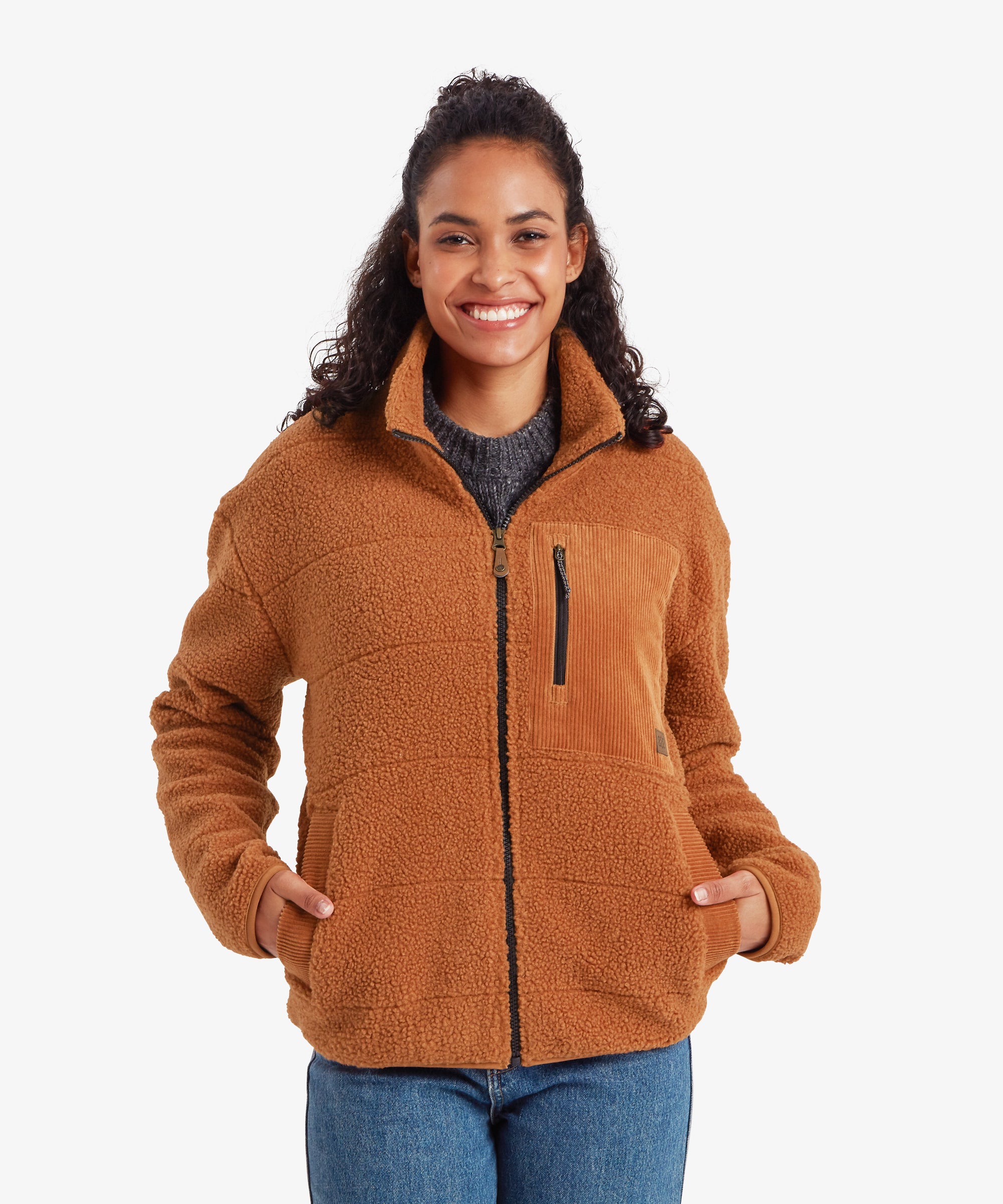
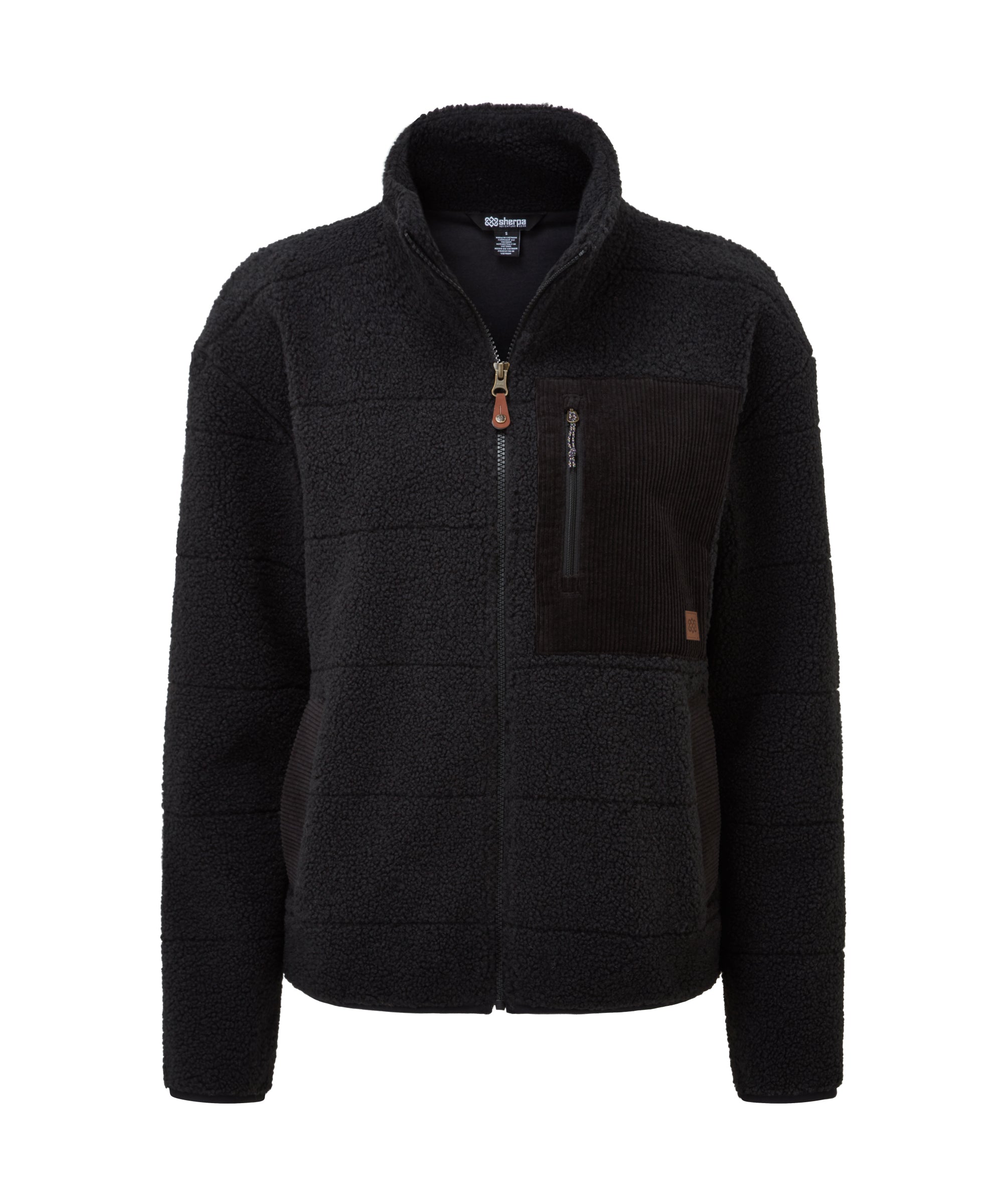
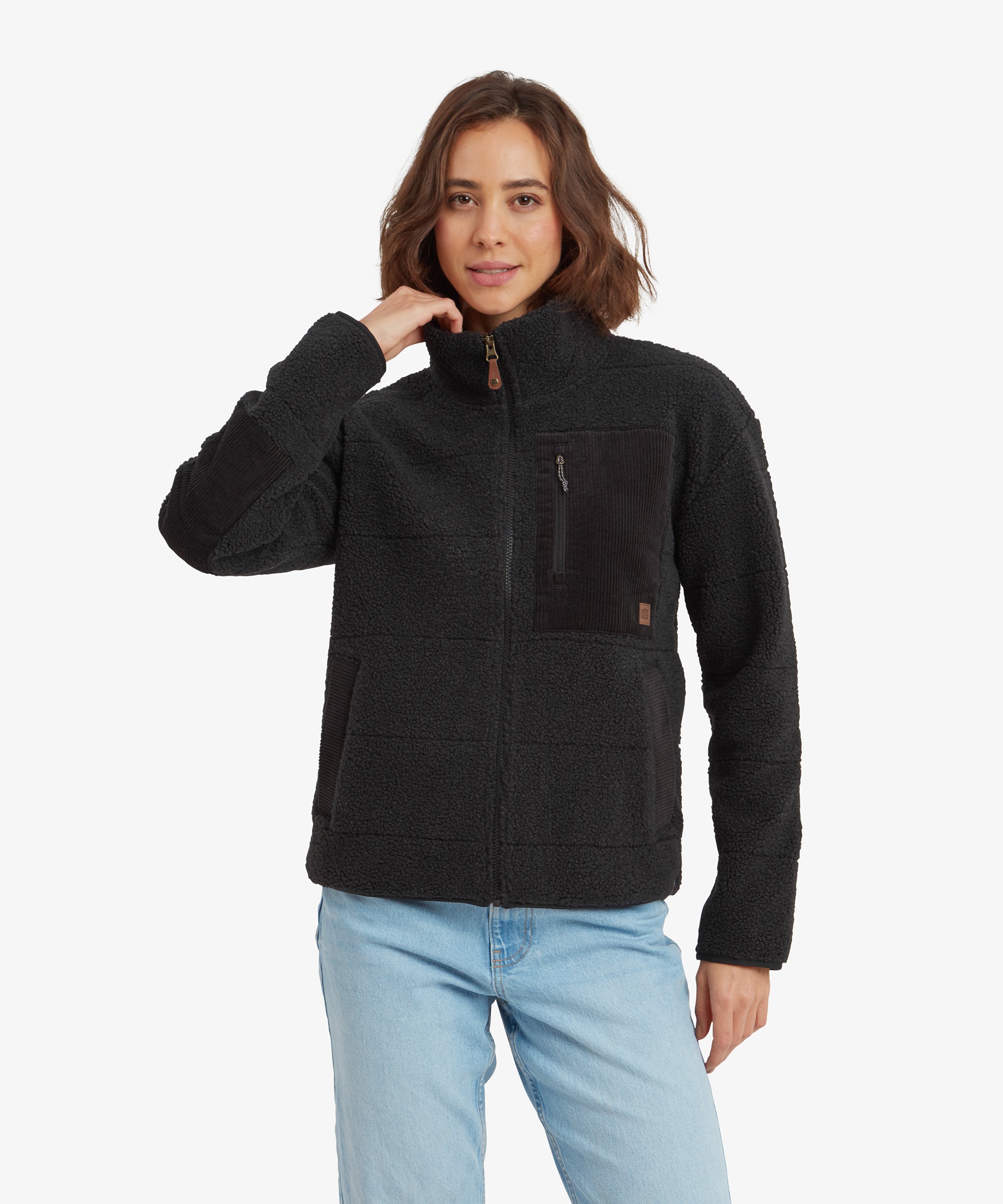
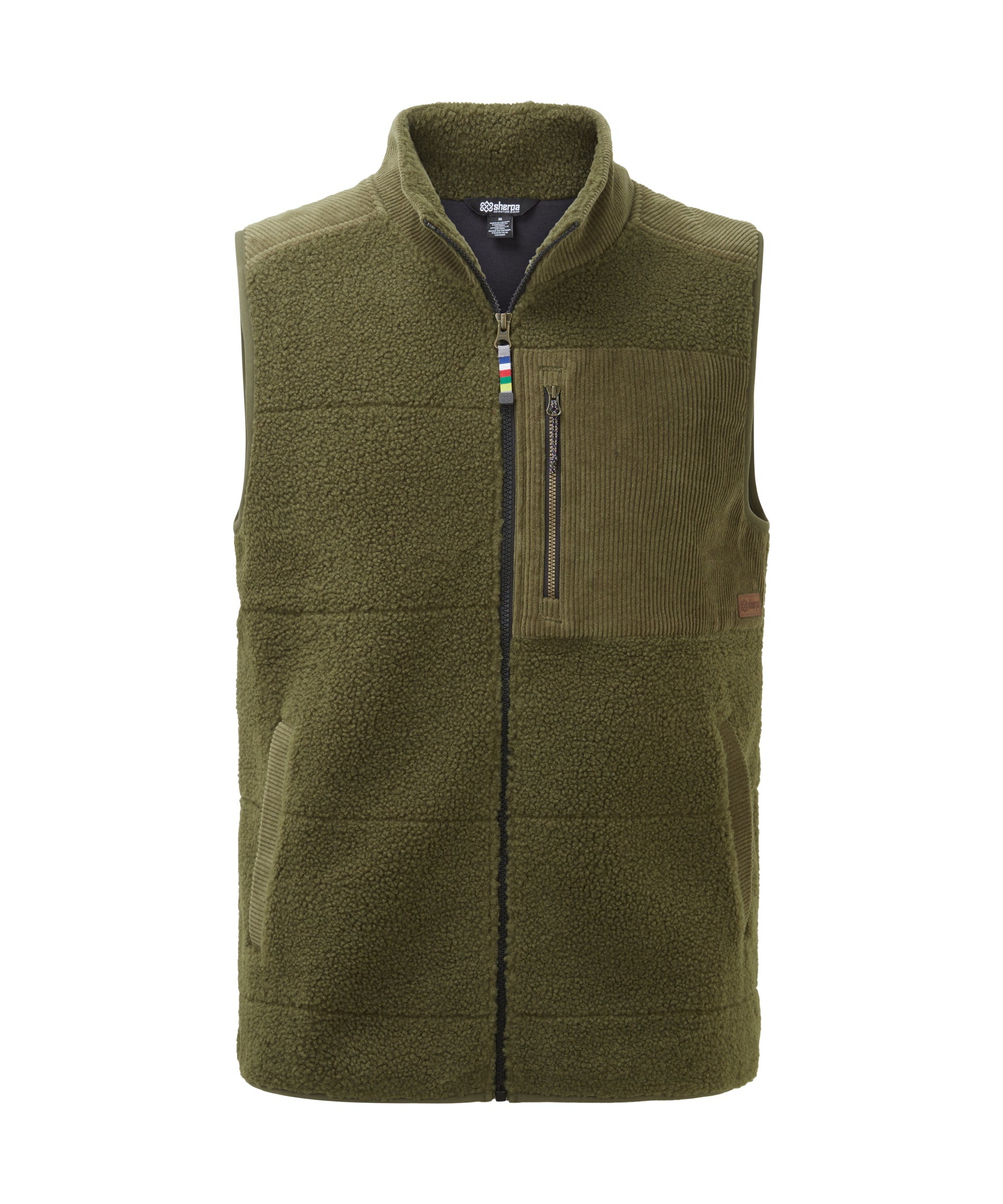
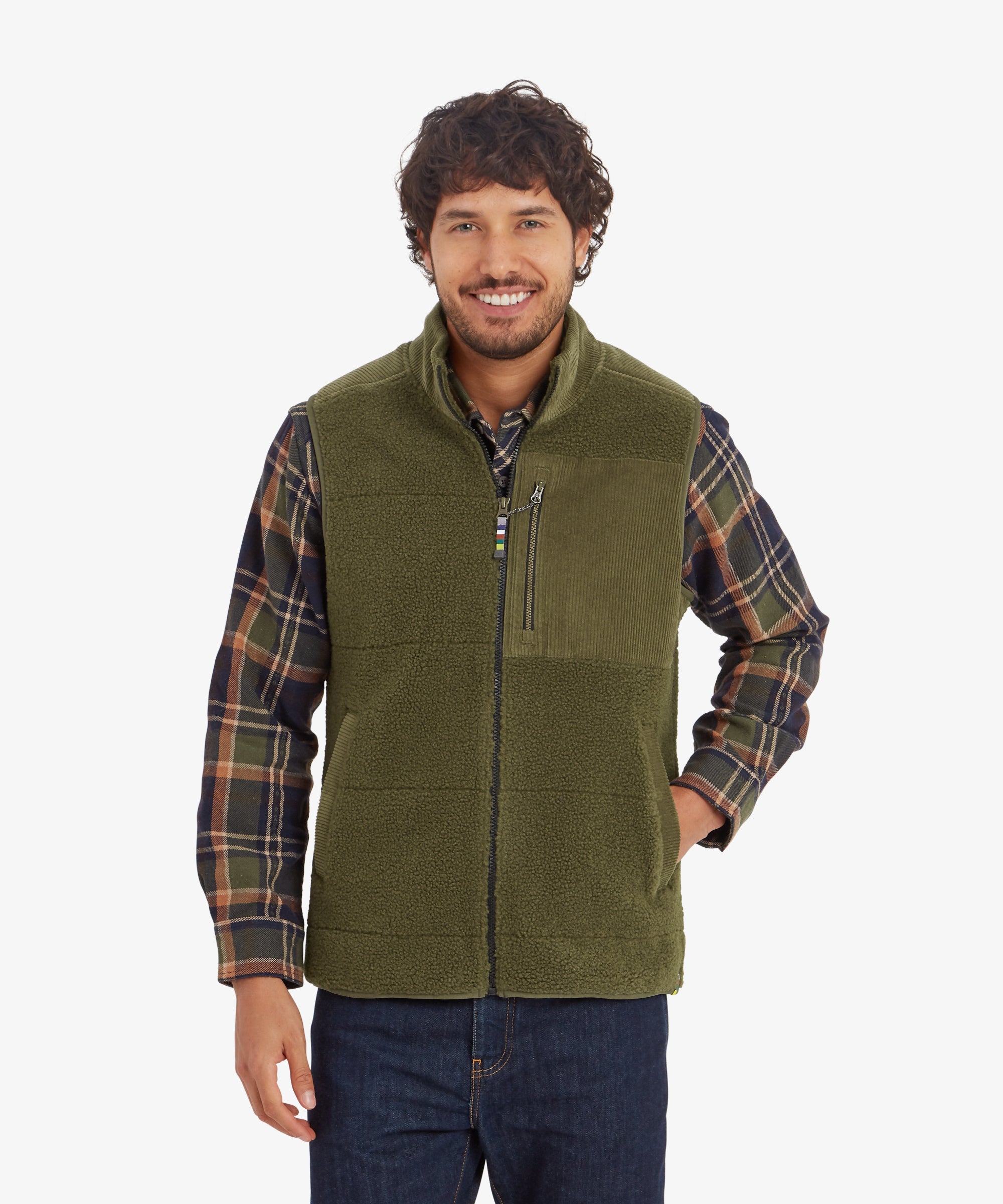
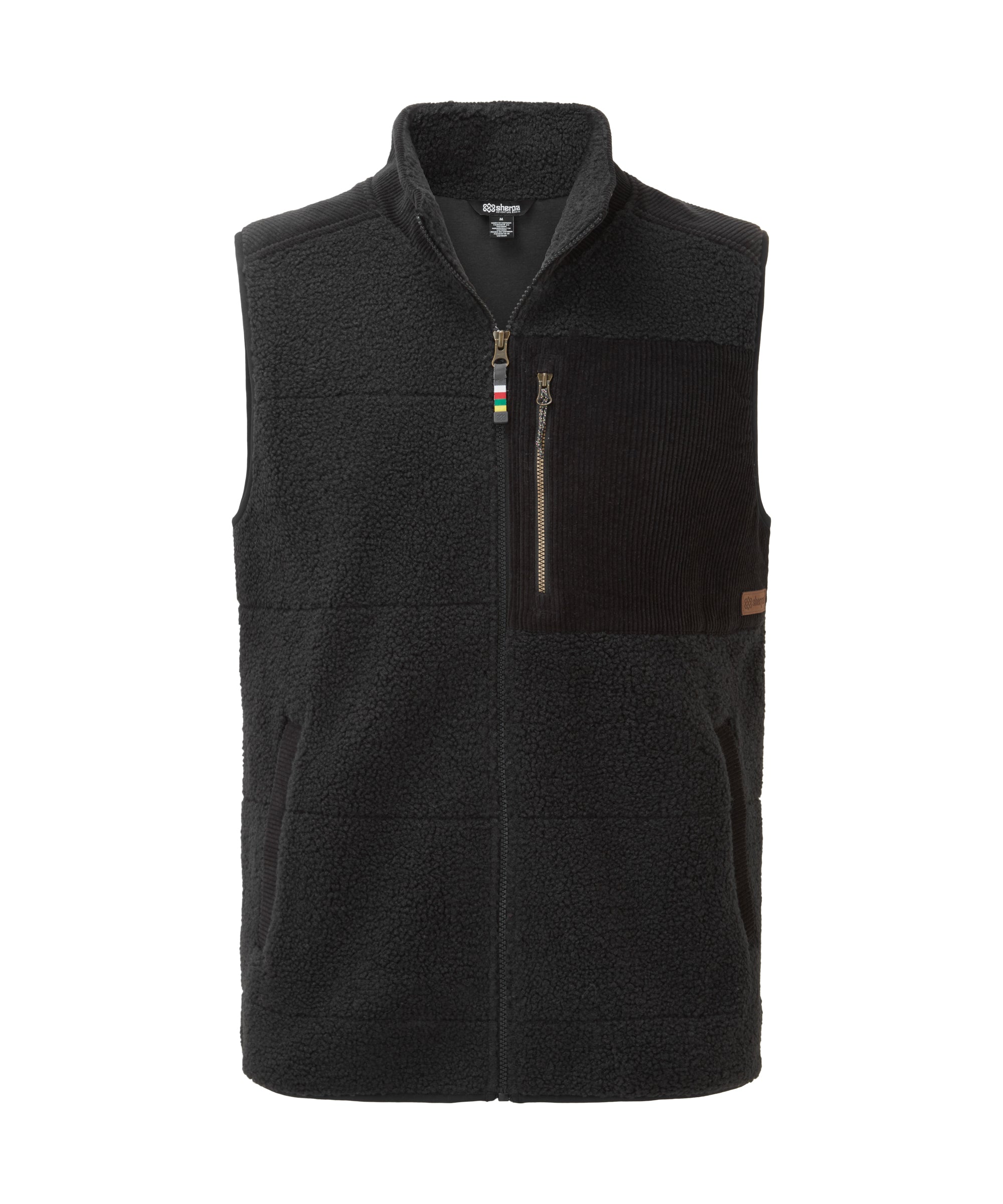
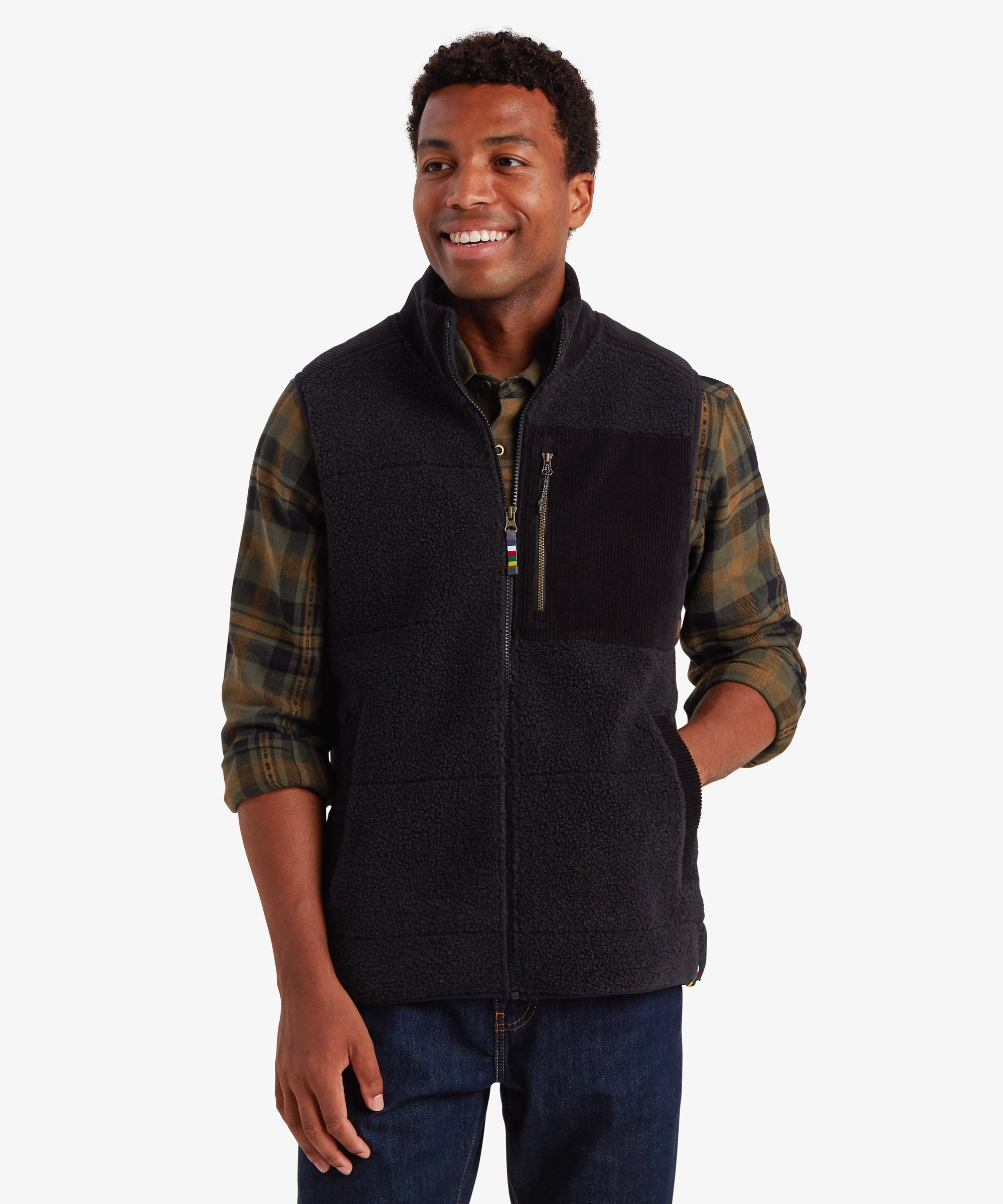
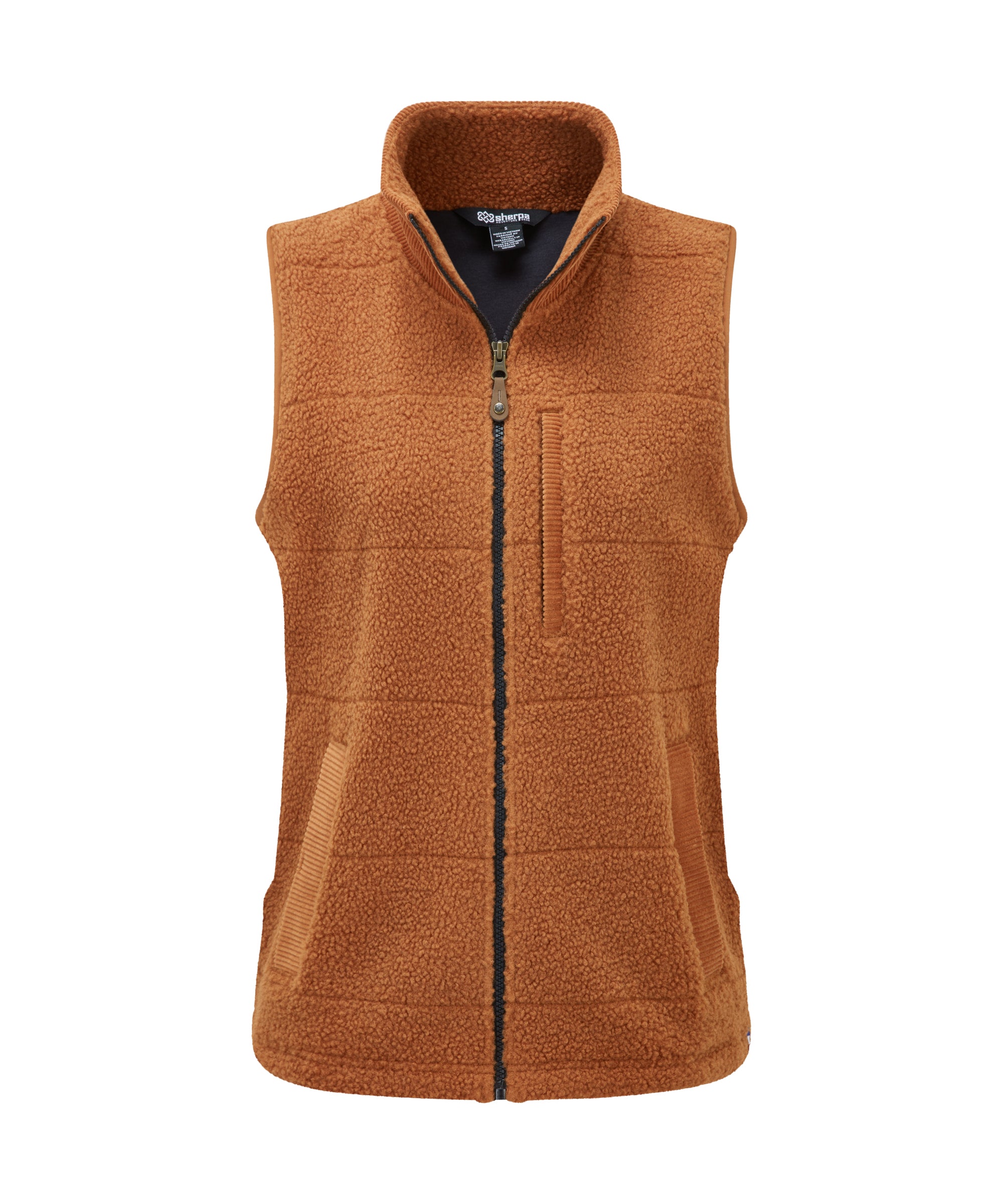
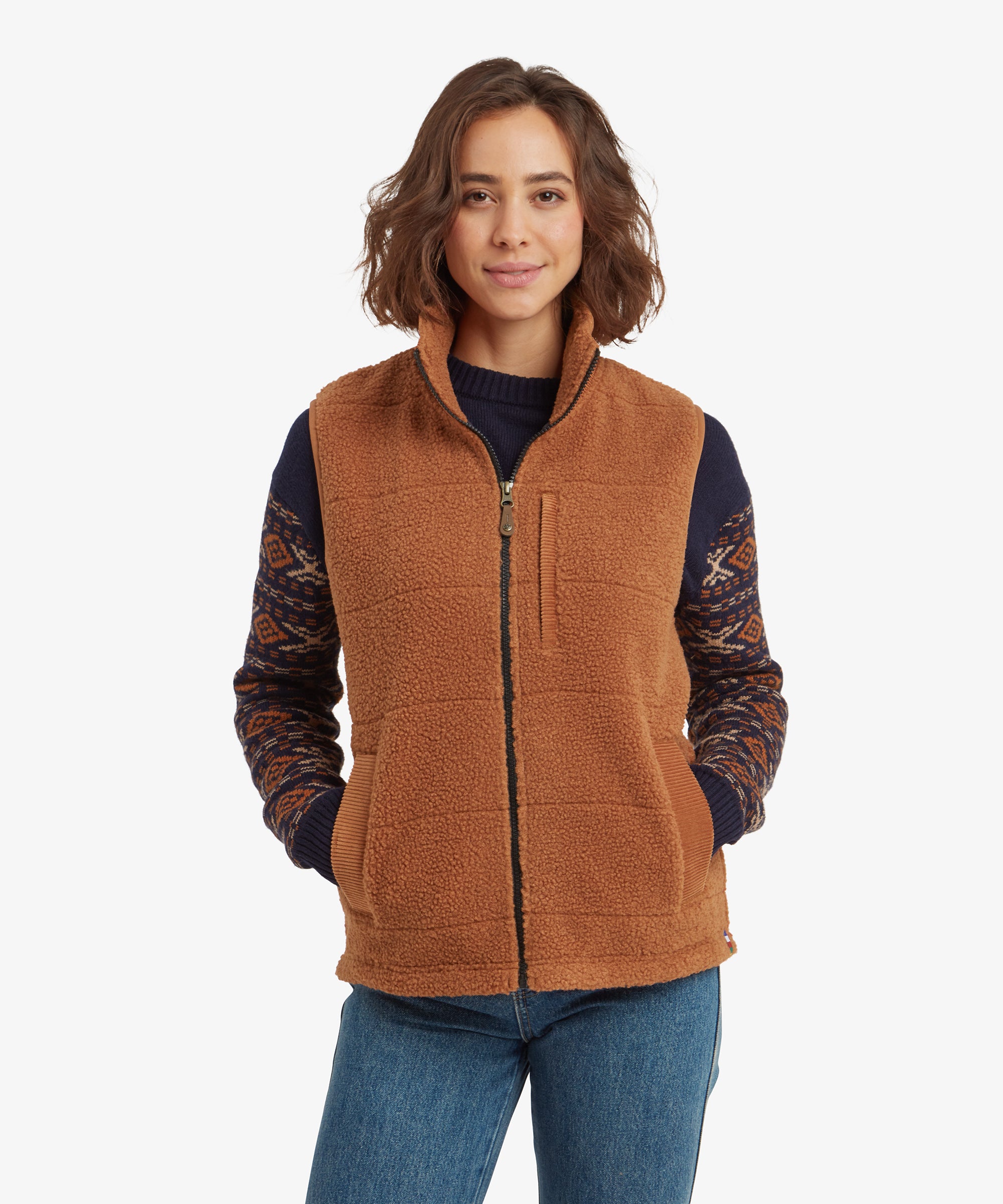
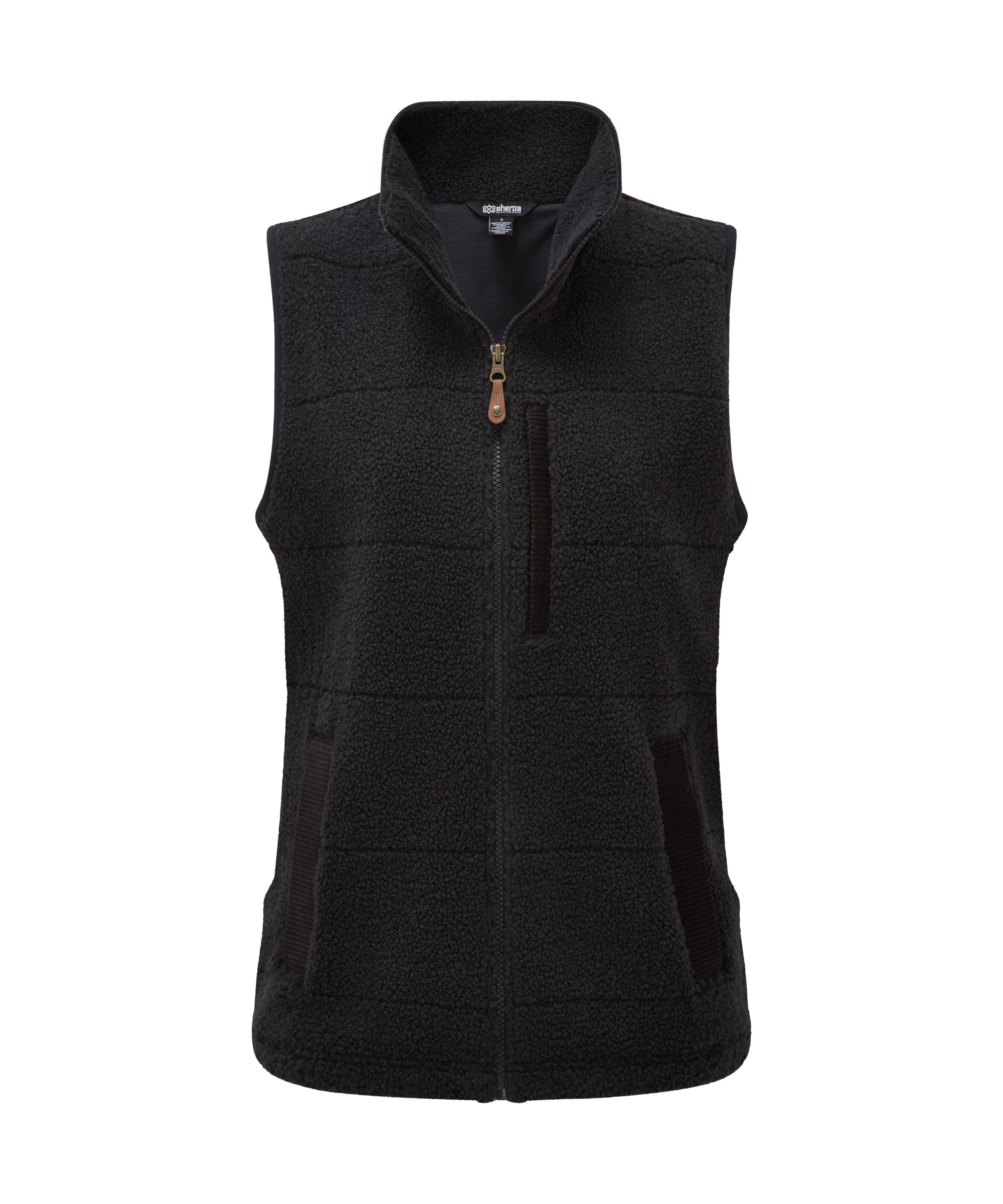
Fleece in winter apparel – How to layer a fleece:
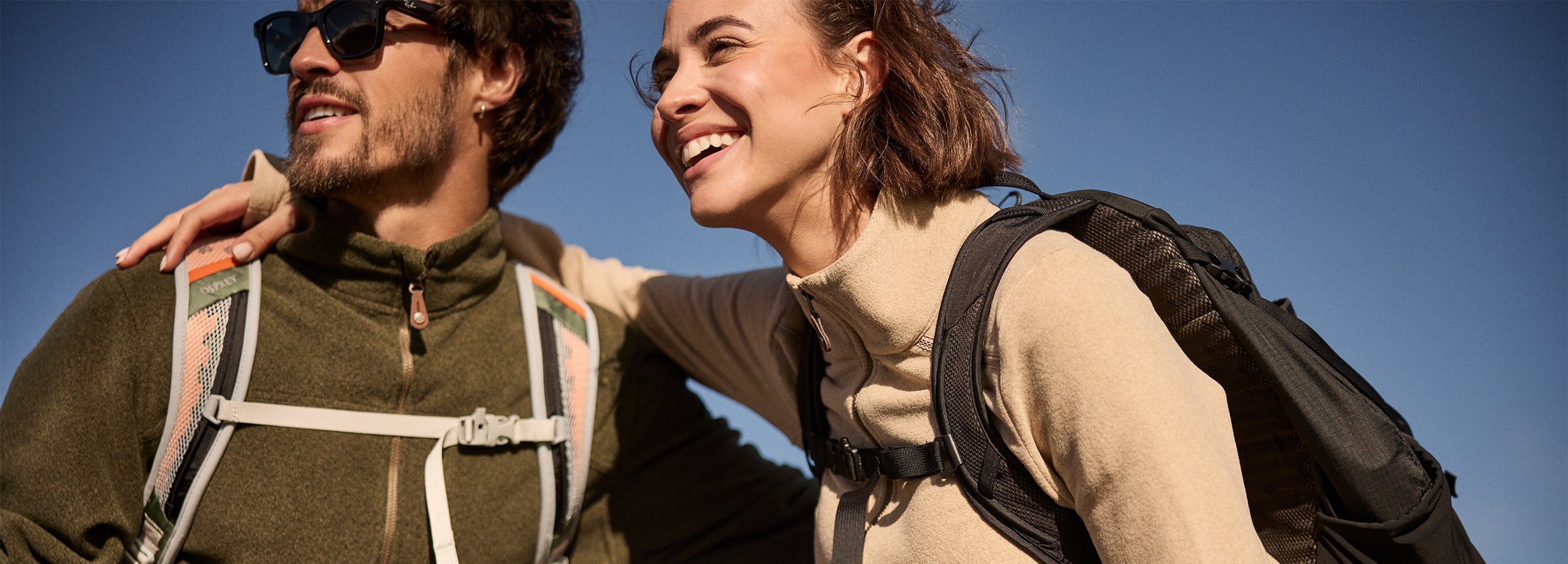
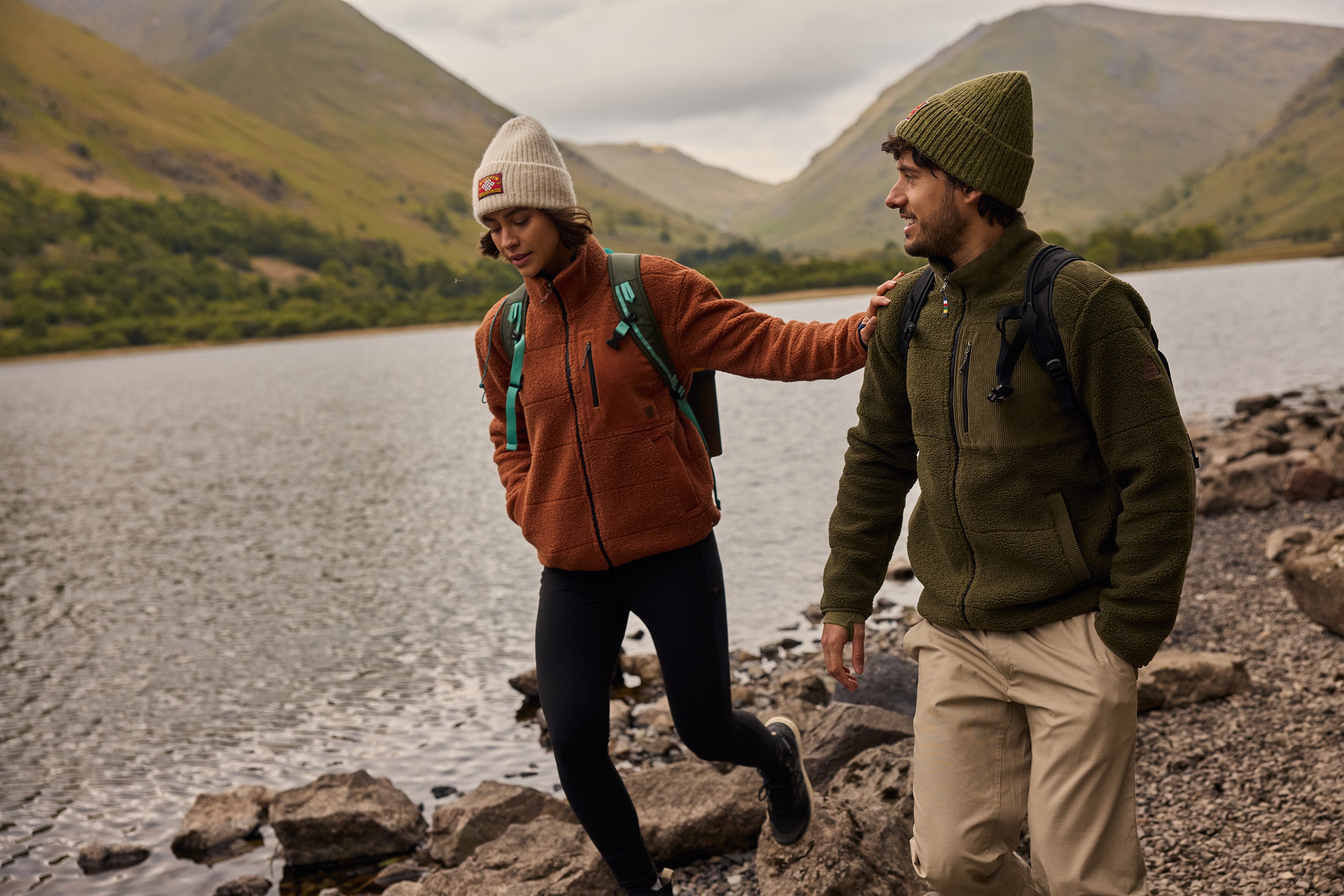
The key to staying warm outdoors isn’t about wearing the thickest clothing, it’s about being smart with layers, here’s how our fleece fits into that.
- Base layer: Use 100 weight fleece or a t-shirt to regulate your temperature.
- Midlayer: Using a 200 weight fleece to trap in the warmth whilst still being breathable and flexible.
- Outer layer: Finish with a protective, waterproof layer that defends against the weather while keeping you warm.
This system allows you to adapt easily to changing conditions while staying warm, and comfortable throughout your adventures, whether that’s a long hike or a morning stroll. For more layering tips, read our guide on layering here.
The sustainable choice:
Opting for a recycled polyester fleece instead of virgin materials is a smart performance choice and great step towards a more sustainable wardrobe.
Using recycled polyester helps reduce plastic waste as the plastic gets repurposed into high-performance fabric and still performs the same as traditional fleece. It is soft, durable and insulating.
How to wash and care for a fleece:
Caring for recycled polyester fleece is important to get the most from your fleece, here are some good tips to follow:
- Always pay attention to the care label
- Wash cold to preserve the fibers
- Skip fabric softeners as they can harm the breathability and moisture-wicking properties of your fleece
- Air dry or tumble dry low to prevent shrinkage and maintain softness

Conclusion and final tips
Recycled polyester fleece is more than just a cosy layer - it’s a performance-driven, environmentally responsible choice for winter adventurers. Whether you're reaching for a 100-weight fleece to climb frosty hillsides or layering a 300-weight for deep winter warmth, there’s a fleece for every season and occasion.
 Stories from Nepal4 min readWhy patterns are Important to usRead post
 Adventure3 min readThe Tandem Trash TourRead post
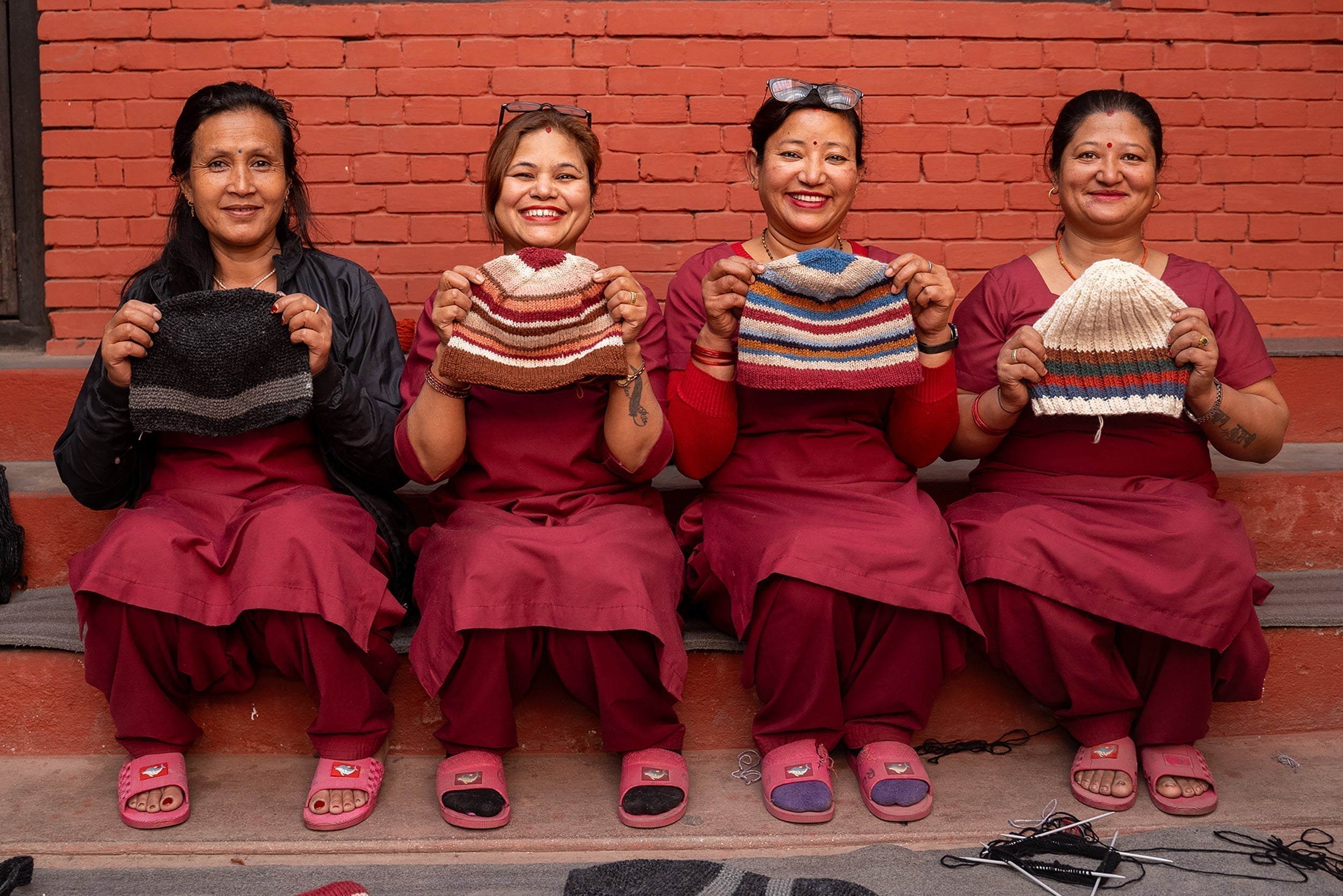 Stories from Nepal4 min readThe women behind the knitRead post
 Stories from Nepal3 min readInternational Day of EducationRead post
 2 min readMake a difference this Give Back TuesdayRead post
 Style guides5 min readLayers for AdventuresRead post
 Stories from Nepal9 min readFestivals of NepalRead post
 Stories from Nepal5 min readWhat is World Literacy Day?Read post

